
 English
 العربية
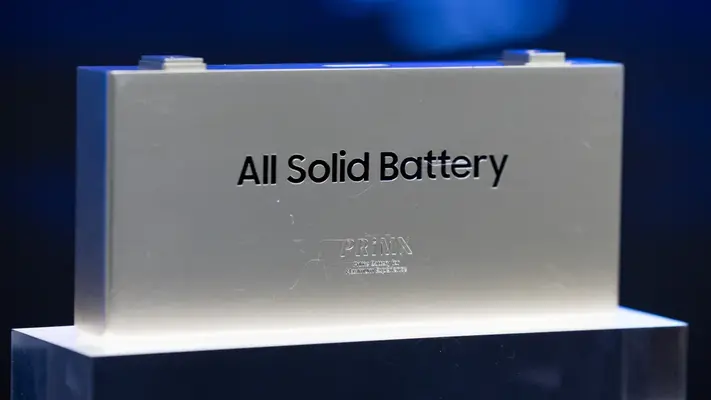
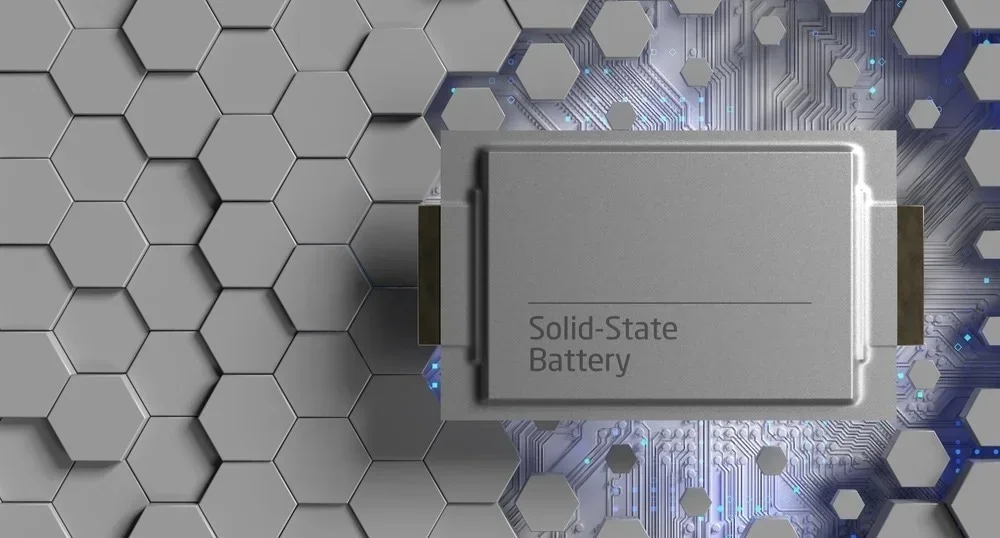
A solid-state battery Samsung Galaxy phone would represent a major leap in smartphone technology, offering faster charging, longer lifespan, and improved safety compared to traditional lithium-ion batteries. Samsung first teased this technology in 2017, promising a two-year timeline to mass production. However, that deadline passed without delivery, and consumers are still wondering when—or if—Samsung will deliver on this promise.
What Happened to Samsung's 2019 Solid-State Battery Promise?
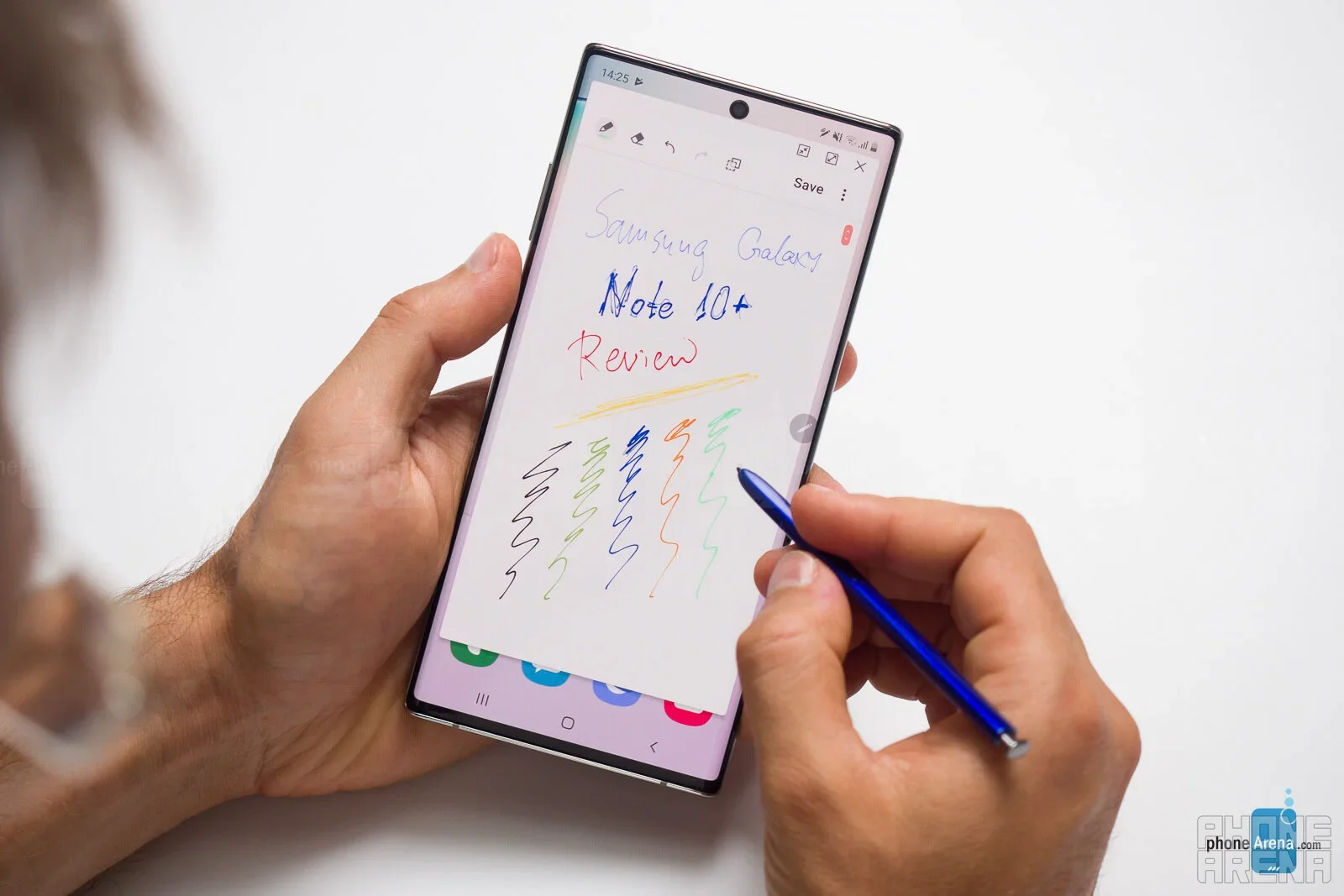
The first concrete indication that Samsung was pursuing solid-state battery technology for smartphones came in 2017. According to The Korean Herald, an anonymous Samsung SDI executive stated that their technological capabilities to produce a solid-state battery for smartphones would mature within one to two years.
This timeline would have placed the technology's readiness around 2018 or 2019, coinciding with the Galaxy Note 10 release. Many industry watchers expected Samsung's flagship Note series to debut this revolutionary battery technology.
However, 2019 came and went without any solid-state battery announcement. The Galaxy Note 10 shipped with conventional lithium-ion technology, and Samsung remained silent about the delays or revised timelines.
Samsung's Current Solid-State Battery Development Status
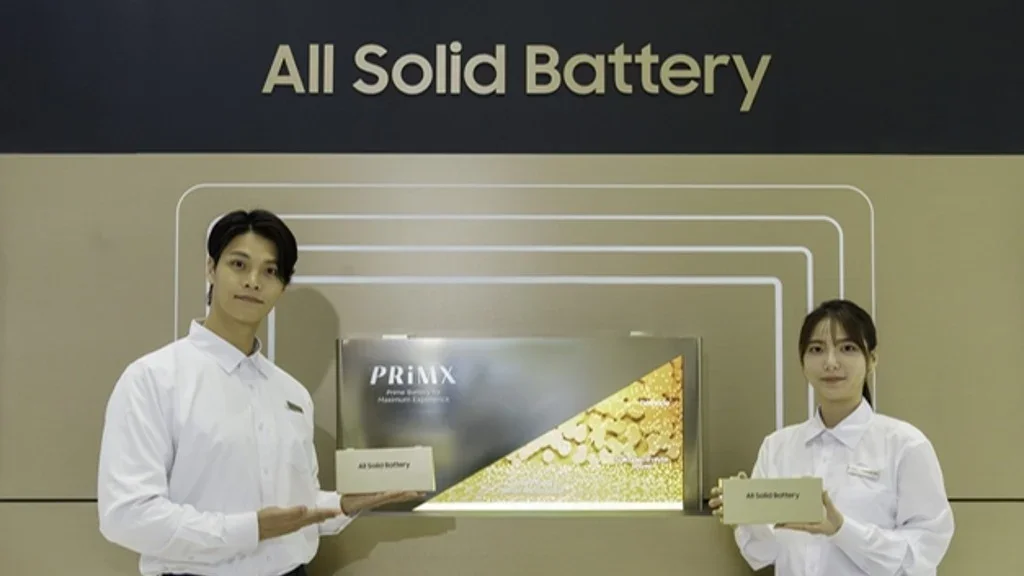
The next significant update came on September 22, 2024, when Samsung Electro-Mechanics quietly announced a breakthrough. The company successfully developed what they claim is the world's first compact all-solid-state battery designed specifically for wearable devices.
Key specifications of Samsung's solid-state battery include:
- Energy density: Approximately 200 Wh/kg
- Form factor: Can be molded into any shape
- Target devices: Initially wearables (Galaxy Watch, Galaxy Ring)
- Mass production timeline: End of 2026
This development confirms that Samsung is taking a cautious, staged approach to solid-state battery implementation. Rather than jumping directly to smartphones, the company plans to test the technology in smaller, less demanding devices first.
Why Wearables Will Get Solid-State Batteries Before Smartphones
Samsung's strategy to debut solid-state batteries in wearables makes practical sense for several reasons:
- Lower power requirements: Smartwatches and rings need smaller batteries, reducing manufacturing complexity
- Lower risk: Any issues with new battery technology have less severe consequences in wearables
- Proof of concept: Success in wearables validates the technology for larger applications
- Manufacturing scale-up: Smaller batteries allow Samsung to refine production processes before scaling
According to Samsung's press release, the company is already developing prototypes and conducting tests with customers. The Galaxy Watch series and Galaxy Ring are confirmed as the first devices targeted for this technology.
How Samsung's Solid-State Battery Compares to Competitors
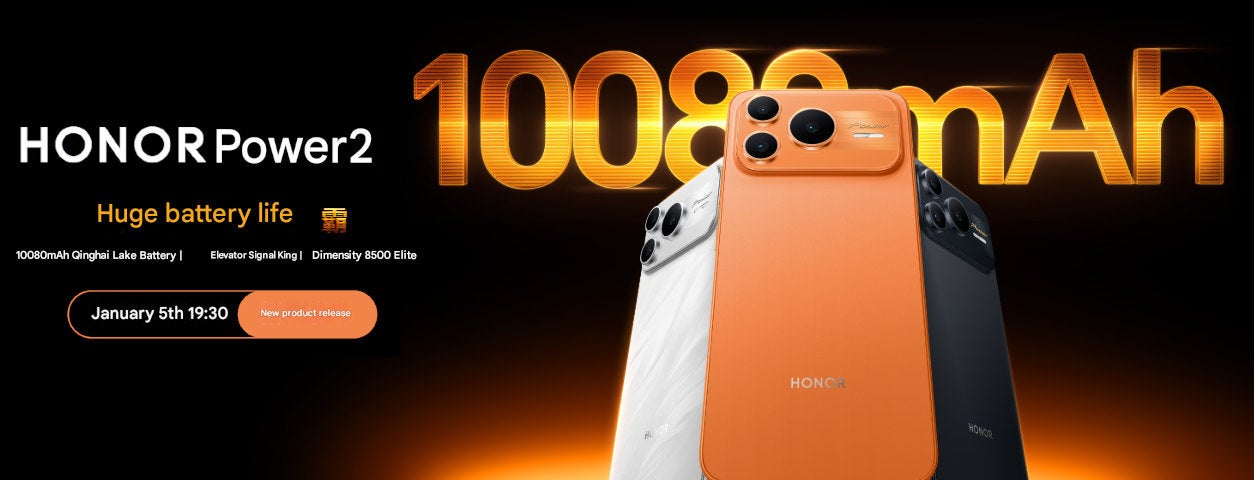
While Samsung works on solid-state technology, competitors are advancing with alternative solutions. The comparison reveals both the promise and current limitations of Samsung's approach:
Samsung Solid-State vs. Donut Labs Solid-State
- Samsung energy density: 200 Wh/kg
- Donut Labs energy density: 400 Wh/kg
- Advantage: Donut Labs offers twice the energy density
Samsung Solid-State vs. Honor Silicon-Carbon
- Samsung solid-state: 200 Wh/kg
- Honor Power 2 silicon-carbon: 821 Wh/kg with 10,080 mAh capacity
- Advantage: Silicon-carbon currently offers four times better energy density
These comparisons highlight why solid-state technology isn't ready to replace current solutions in smartphones. However, solid-state batteries offer advantages that energy density alone doesn't capture:
- Material availability: Uses primarily carbon and silicon, which are abundant and affordable
- Geopolitical independence: Reduces reliance on rare earth metals and conflict minerals
- Safety: No liquid electrolyte means no fire or explosion risk
- Longevity: Significantly more charge cycles before degradation
- Faster charging: Can potentially charge in minutes rather than hours
Realistic Timeline for a Solid-State Galaxy Smartphone
Based on Samsung's official announcements and industry patterns, here's what we can reasonably expect:
2025: No Solid-State Galaxy Phone
The Galaxy S26 series is already in production and warehouses, awaiting its January reveal. There's zero chance of solid-state battery inclusion in this generation.
2026: Wearables Debut
Samsung targets mass production of solid-state batteries for wearables by late 2026. Expect the first Galaxy Watch or Galaxy Ring with this technology around this timeframe.
2027: Potential Smartphone Introduction
If wearable deployment goes smoothly, Samsung could potentially introduce solid-state batteries in the Galaxy S27 series. This remains optimistic and depends on:
- Successful wearable market reception
- Manufacturing yield improvements
- Energy density advances
- Cost reduction achievements
2028-2030: More Likely Smartphone Timeline
A more conservative estimate places widespread solid-state battery adoption in Samsung smartphones between 2028 and 2030. This allows time for technology maturation and competitive market pressures to drive innovation.
What Will First-Generation Solid-State Galaxy Phones Offer?
When solid-state batteries finally arrive in Samsung smartphones, first-generation models likely won't offer dramatically longer battery life. Instead, expect these benefits:
- Faster charging: Potentially full charges in minutes
- Improved safety: Virtually eliminate battery fire risks
- Longer device lifespan: Batteries that maintain capacity over more years
- Thinner designs: Flexible form factors enable slimmer phones
- Lighter weight: Solid-state construction reduces overall mass
Future generations will likely see dramatic capacity improvements as the technology matures, but initial models will focus on proving reliability and manufacturing scalability.
The Broader Solid-State Battery Landscape
Samsung isn't working in isolation. The solid-state battery field is experiencing rapid acceleration:
- Donut Labs: Already taking pre-orders for EV motorcycles with solid-state batteries
- Toyota: Investing heavily in solid-state for electric vehicles
- QuantumScape: Advancing automotive solid-state battery development
- CATL: Targeting solid-state battery mass production by 2027
Competition from these players may accelerate Samsung's timeline as the company won't want to fall behind in next-generation battery technology.
Should You Wait for a Solid-State Galaxy Phone?
If you're considering holding off on a smartphone purchase until solid-state batteries arrive, here's practical advice:
Don't wait if:
- You need a new phone in the next 2-3 years
- Current battery life meets your needs
- You regularly upgrade phones every few years anyway
Consider waiting if:
- You keep phones for 5+ years and want maximum longevity
- Battery safety is a primary concern
- You specifically want cutting-edge technology
Current lithium-ion and silicon-carbon batteries provide excellent performance for most users. Solid-state technology will eventually become standard, but the transition will take years.
Frequently Asked Questions
When did Samsung first promise a solid-state battery phone?
Samsung SDI first teased solid-state battery technology for smartphones in 2017, with an anonymous executive claiming the technology would be ready for mass production within one to two years. The original target timeline pointed to 2019, but no solid-state Galaxy phone materialized.
What devices will get Samsung's solid-state battery first?
According to Samsung Electro-Mechanics' September 2024 announcement, wearable devices including the Galaxy Watch series and Galaxy Ring will be the first Samsung products to feature solid-state battery technology. Mass production is targeted for the end of 2026.
How does Samsung's solid-state battery compare to current technology?
Samsung's first-generation solid-state battery offers approximately 200 Wh/kg energy density. This is lower than Donut Labs' solid-state battery (400 Wh/kg) and significantly below Honor's silicon-carbon technology (821 Wh/kg). However, solid-state batteries offer advantages in safety, longevity, and material sustainability.
Will the Galaxy S26 have a solid-state battery?
No, the Galaxy S26 will not feature solid-state battery technology. The devices are already manufactured and awaiting release. The earliest possible solid-state Galaxy smartphone would be the Galaxy S27 series in 2027, though 2028-2030 is a more realistic timeframe.
What are the benefits of solid-state batteries over lithium-ion?
Solid-state batteries offer several advantages: no fire or explosion risk due to absence of liquid electrolyte, significantly more charge cycles before degradation, potentially much faster charging times, flexible form factors, and use of abundant materials like carbon and silicon rather than rare earth metals.
Why is solid-state battery development taking so long?
Solid-state battery technology faces challenges in manufacturing scalability, cost reduction, and energy density improvement. While the technology works in laboratory settings, mass-producing reliable, affordable solid-state batteries that outperform current lithium-ion technology requires solving complex engineering problems.
Are other companies ahead of Samsung in solid-state battery development?
Several companies are advancing solid-state technology. Donut Labs is already taking pre-orders for products with their 400 Wh/kg solid-state batteries. Toyota, QuantumScape, and CATL are also investing heavily in the technology, primarily for electric vehicle applications. Competition may accelerate Samsung's smartphone timeline.