 English
 العربية
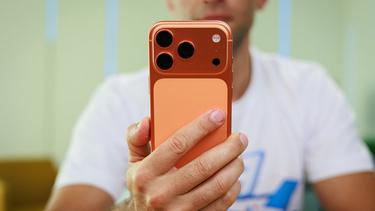
Apple is a company built on legendary innovation, but recent years tell a different story. While the iPhone 17 continues to dominate global smartphone sales and break profitability records, the tech giant's newer ventures paint a troubling picture. From the Vision Pro headset to Apple Intelligence and the rumored AI pin, Apple seems to be chasing trends rather than setting them—a dangerous departure from the philosophy that made it great.
Apple's Core Business Remains Strong, But Innovation Is Faltering
Let's be clear: Apple isn't going bankrupt anytime soon. The iPhone 17 is selling phenomenally well, the services business continues to grow, and MacBook sales remain healthy. However, beneath this surface-level success lies a company struggling to find its next breakthrough product category.
For years, Apple has milked the iPhone cash cow while attempting to diversify. The results have been underwhelming at best and embarrassing at worst. This pattern of failed innovation raises serious questions about Apple's ability to remain relevant in a rapidly evolving tech landscape dominated by artificial intelligence.
The Sad History of Apple's Recent Product Experiments
Apple built its reputation on launching products that solved real problems in elegant ways. The original iPhone revolutionized mobile computing. The iPad created an entirely new tablet category. Even the Apple Watch eventually found its footing in health and fitness tracking. But recent years have seen a troubling pattern emerge.
Vision Pro: A $3,500 Lesson in Bad Timing
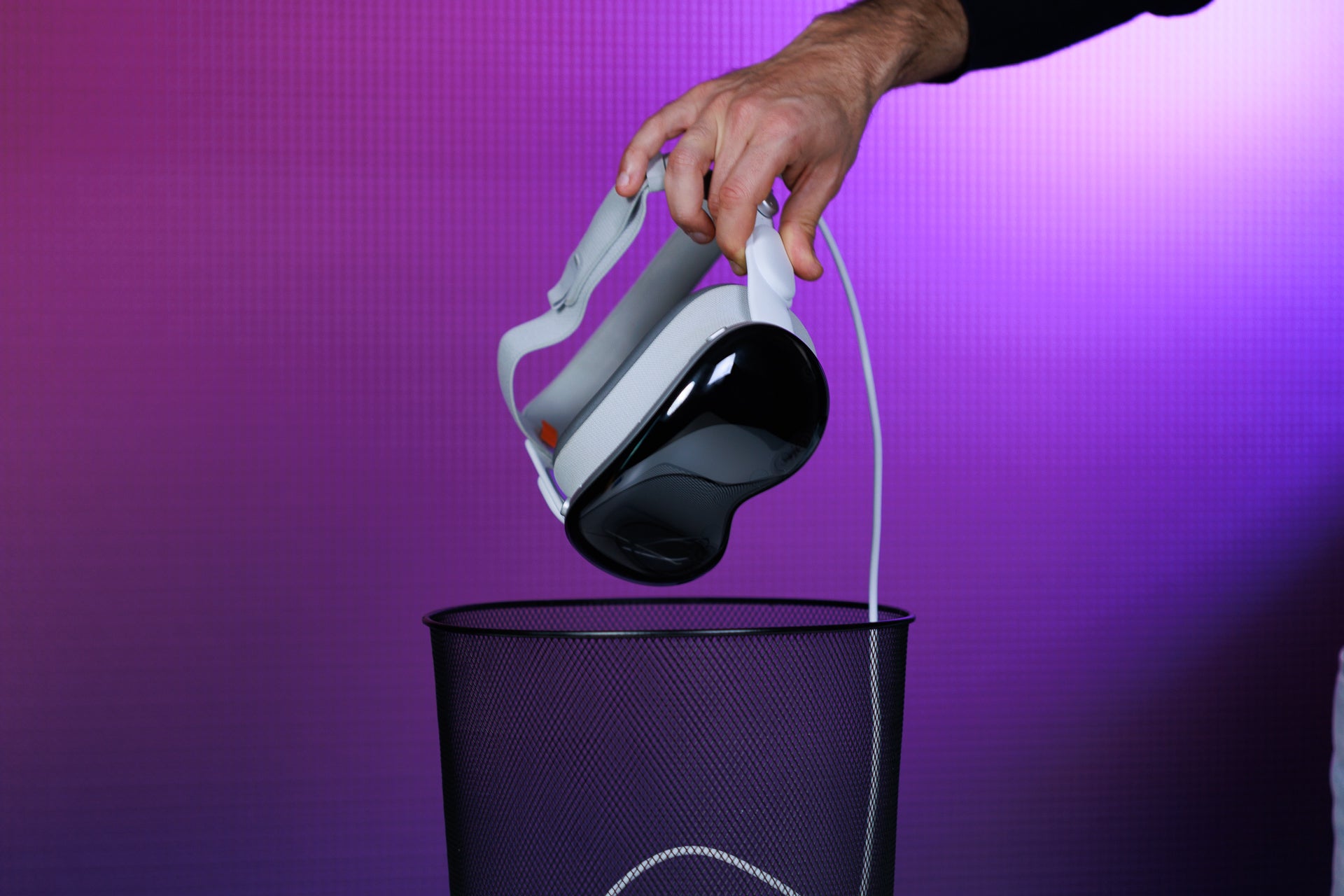
The Vision Pro exemplifies everything wrong with Apple's current approach. The company took the mixed reality headset concept and cranked it up to 11, delivering better displays, more advanced sensors, elaborate camera arrays, and impressive performance. None of it mattered.
The headset was:
- Too heavy for comfortable extended use
- Too expensive at $3,500 for mainstream adoption
- Too late to a trend that was already dying
By the time Apple entered the mixed reality market, consumer interest had waned significantly. The Vision Pro became one of the most expensive flops in Apple's history, with production reportedly scaled back dramatically.
iPhone Air: Thin Is Not Always In
The iPhone Air represents another misguided priority. Apple created the thinnest and lightest iPhone ever made, beating both its own lineup and competitors like the Galaxy S25 Edge. The achievement came at a steep cost:
- Smaller battery capacity
- Only one rear camera
- Mono speaker instead of stereo
- Thermal throttling under load
While the iPhone 17 series celebrated massive success, the iPhone Air stumbled. Consumers showed they valued functionality over extreme thinness—a lesson Apple should have learned years ago.
Apple Intelligence: A Promise Unfulfilled
Perhaps no failure stings more than Apple's AI initiatives. Nearly two years after promising a personalized version of Siri, the feature remains vaporware. Apple Intelligence, which actually launched, performs so poorly that it's become a source of ridicule rather than pride.
The company that once defined user experience excellence now delivers AI features that can't match competitors who entered the market later. This disconnect between Apple's promises and its delivery has eroded consumer trust in ways that may take years to rebuild.
The AI Gadget Graveyard

What makes the rumored Apple AI pin so concerning is the dismal track record of AI-powered devices. The category is littered with failures:
Humane AI Pin: The Cautionary Tale
The Humane AI Pin stands as perhaps the worst gadget failure in recent memory. Created by former Apple employees, it was:
- Overpriced at $699 plus a $24 monthly subscription
- Barely functional in real-world use
- Completely shut down when T-Mobile stopped providing connectivity
The device went from hyped launch to complete shutdown in record time, leaving customers with expensive paperweights.
Rabbit R1: Slightly Less Terrible
The Rabbit R1 fared marginally better but still disappointed. At launch, it was nearly useless. A major software update eventually improved functionality, but the device remains a solution searching for a problem.
AI Companion Devices: Unnecessary Middlemen
Products like the Friend pendant and Plaud's NotePin essentially serve as hardware interfaces to ChatGPT—something smartphones already do better. These devices add cost and complexity without meaningful benefit.
Meta Ray-Ban Glasses: The Exception?
Meta's Ray-Ban smart glasses represent the closest thing to success in AI wearables. However, it's unclear whether consumers buy them for AI features or simply to have a camera on their face. The AI functionality may be incidental rather than primary.
Why Apple's AI Pin Is a Terrible Idea

Reports suggest Apple is developing an AI pin that will pair with an AI-powered version of Siri, potentially transforming the assistant into a chatbot. This idea feels confusing and mildly disturbing for several reasons:
Nobody Asked for This
Consumer surveys consistently show people prefer AI integrated into existing devices rather than new single-purpose gadgets. Why carry another device when your iPhone, Apple Watch, or AirPods could offer the same functionality?
The Technology Isn't Ready
Apple can't even deliver a working personalized Siri on existing hardware. What makes anyone believe the company can create a compelling standalone AI device?
The Market Has Spoken
Every AI-focused wearable has failed. Humane's collapse should serve as a warning, not an invitation to repeat the same mistakes with an Apple logo attached.
It Contradicts Apple's Philosophy
Apple traditionally waited for technology to mature before entering markets, ensuring it could deliver a polished experience. Rushing to chase AI hype represents a fundamental departure from this approach.
What Apple Should Do Instead
If Apple genuinely wants to lead in AI, the path forward is clear:
Fix Siri First
Before launching any new AI hardware, Apple must deliver on its existing promises. A functional, intelligent Siri would do more for the company's AI credibility than any new device.
Enhance Existing Products
Consumers would appreciate new voice-activated features on the Apple Watch they already wear. Better AI capabilities in AirPods would add value without requiring additional purchases.
Focus on Trust
Apple's privacy-focused approach could differentiate its AI from competitors. Instead of chasing features, the company should emphasize trustworthy, reliable AI that respects user data.
Learn from Failures
The Vision Pro taught Apple that technical excellence doesn't guarantee success. The iPhone Air showed that design priorities must align with user needs. These lessons should inform future product decisions.
The Stakes for Apple's Future
Apple's core business will sustain the company for years, perhaps decades. iPhones will continue selling regardless of AI initiatives. However, repeated failures in new product categories carry long-term consequences:
- Talent drain: Top engineers may leave for companies with better innovation track records
- Investor confidence: Wall Street expects growth beyond iPhone; repeated failures erode trust
- Brand perception: Apple's premium image depends on launching products people actually want
- Competitive positioning: While Apple struggles, competitors advance their AI capabilities
The company that once changed the world with revolutionary products now seems desperate to catch up with trends others have already abandoned. This represents a fundamental shift in Apple's identity—one that should concern anyone who values innovation over imitation.
Conclusion: A Warning Worth Heeding
Apple is not doomed. The company has enormous resources, talented employees, and a loyal customer base. However, the pattern of recent failures suggests something is broken in Cupertino's innovation engine.
Doubling down on AI gadgets when the company can't even deliver functional AI on existing products feels like desperation rather than strategy. Apple's best path forward involves fixing current problems before creating new ones—a return to the patient, deliberate approach that made it great.
Whether Apple heeds this warning remains to be seen. But if the company continues chasing bad ideas instead of solving real problems, failure may indeed become the norm rather than the exception.
Frequently Asked Questions
Why is Apple considered to be failing despite strong iPhone sales?
While iPhone 17 sales remain excellent, Apple's newer product categories have consistently underperformed. The Vision Pro flopped commercially, Apple Intelligence disappoints users, and the iPhone Air failed to gain traction. These failures suggest Apple struggles to innovate beyond its core iPhone business.
What is Apple's rumored AI pin?
Reports indicate Apple is developing a wearable AI device similar to the failed Humane AI Pin. It would reportedly pair with an AI-powered version of Siri, potentially functioning as a standalone chatbot interface. Given the failure of similar devices from other companies, this project raises concerns.
Why did the Vision Pro fail?
The Vision Pro failed due to a combination of factors: its $3,500 price tag limited mainstream adoption, the headset was too heavy for comfortable extended use, and consumer interest in mixed reality had already declined by the time Apple launched the product.
What went wrong with Apple Intelligence?
Apple Intelligence launched with significant limitations and poor performance compared to competitors like Google and OpenAI. Features like personalized Siri, promised nearly two years ago, still haven't materialized, eroding consumer trust in Apple's AI capabilities.
Have any AI wearables succeeded?
No AI-focused wearable has achieved clear success. The Humane AI Pin shut down entirely, the Rabbit R1 disappointed users, and companion devices like Friend offer little beyond what smartphones already provide. Meta's Ray-Ban glasses show promise but their success may be due to camera features rather than AI.
What should Apple do to fix its innovation problems?
Experts suggest Apple should focus on delivering promised AI features for existing devices before launching new hardware. Improving Siri, enhancing Apple Watch and AirPods with AI capabilities, and building trust through reliable performance would serve users better than another gadget.
Is Apple in danger of becoming irrelevant?
Apple isn't at immediate risk of irrelevance due to strong iPhone sales and services revenue. However, continued failure in new product categories could erode the company's premium brand image, drive away talent, and weaken its competitive position against rivals advancing their AI capabilities.