 English
 العربية
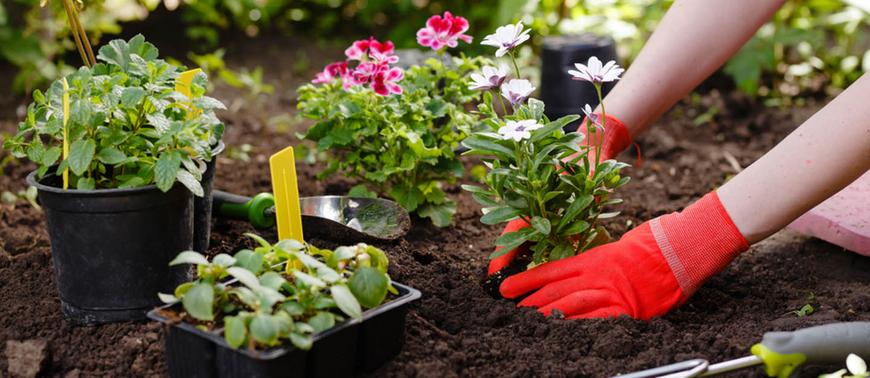
Wondering which plants to grow in your garden in UAE summers and winters? Use the intense-heat months for drought-tolerant trees and shrubs, then switch to cool-season bloomers when temperatures dip. Below is a curated list of resilient, beautiful plants for both seasons, along with care tips tailored to UAE conditions.
Best garden plants & flowers to grow in UAE summers
UAE summers can top 45°C with high humidity along the coast and dry heat inland. The winners here are sun-lovers that tolerate sandy soils, reflected heat from hardscapes and intermittent irrigation.
Flame tree
For an instant burst of tropical drama, plant a flame tree (Delonix regia). Its umbrella canopy and vivid red to orange blossoms create a striking focal point. It’s adaptable to sandy or loamy soils as long as drainage is good.

Given space and sun, a mature flame tree can reach 10–12 m with a wide spread that casts excellent shade. Water deeply to establish, then irrigate once daily in peak summer and reduce to every other day in winter, adjusting for rainfall and soil moisture.
Plumeria / Frangipani
Plumeria thrives in full sun, heat and reflected light, exactly what many UAE courtyards offer. The leathery leaves and fragrant white, yellow or pink flowers are iconic in regional landscapes. Use a fast-draining, sandy mix and avoid overwatering; let the top layer dry between irrigations.
Propagate easily from tip cuttings: allow cut ends to callus for a few days, plant in a gritty mix, and water lightly until roots form. Frangipani copes well with occasional drought once established.
Tropical hibiscus
Tropical hibiscus (Hibiscus rosa‑sinensis) handles heat and even sandy substrates, making it ideal for borders or containers. In pots, refresh the root zone every few years with pruning and repotting to maintain vigor.
Watch for spider mites and thrips in hot, dry spells; early detection prevents bud drop and leaf yellowing. Encourage airflow and hose off foliage periodically to deter pests.

In the UAE, hibiscus flowers best with 4–5 hours of bright light, followed by partial shade in the harshest afternoon sun. Shelter from hot, desiccating winds for continuous blooms.
Date palms

Date palms (Phoenix dactylifera) are part of the region’s heritage and among the most resilient trees for local gardens. They love full sun, alkaline soils and heat. Plan carefully: a single palm can spread 4–6 m and reach 15–20 m in height, so give it space away from structures.
Use deep, infrequent irrigation to train roots downwards and mulch the root zone to conserve moisture. With proper care, you’ll enjoy shade, structure and—depending on cultivar—sweet fruit.
Bougainvillea / Paperflower
Bougainvillea is a UAE favourite for good reason: it thrives in poor, dry soils and intense sun, colouring walls and fences with cascades of magenta, fuchsia, orange, white and gold bracts. Keep irrigation modest; too much water encourages leaves over flowers.

Prune lightly after a bloom flush to shape and stimulate new growth. Bougainvillea establishes readily from semi-hardwood cuttings.
More heat-tough options for UAE summers include:
- Yellow trumpet flower (Tecoma stans): A sun-loving shrub with trumpet-shaped golden flowers; drought tolerant, long flowering season.
- Snake plant (Sansevieria): Architectural leaves, minimal water needs and excellent for shaded, bright balconies. Grows 0.3–1.2 m depending on variety.
- Damas tree (Conocarpus lancifolius): Very fast-growing with dense shade; sheds leaves and pods—consider maintenance and check local guidelines before planting near walls or pipes.

Summer gardening tip: irrigate at dawn or just after sunset, mulch generously, and use shade cloth (30–50%) for tender plants during heatwaves.
Best garden plants for UAE winters
UAE winters (typically 18–28°C daytime, cooler nights) are perfect for a wave of colour. Plant in autumn as temperatures fall to enjoy months of blooms.
Cyclamen
Cyclamen delivers dainty, upward-swept flowers in pinks, whites and reds and prefers cool conditions with bright, indirect sun. Allow the top of the soil to dry before the next watering; soggy roots cause collapse.

Feed every 3–4 weeks with a diluted liquid fertilizer during active growth. Deadhead spent blooms to prolong flowering.
Witch hazel
Witch hazel (Hamamelis spp.) bears spidery, fragrant flowers on leafless stems—a striking winter sight. It appreciates full sun to light afternoon shade and evenly moist, well-drained soil. Water regularly and mulch with composted bark to keep roots cool and moist.
Prune after flowering to shape, removing weak or crossing stems. Growth is moderate and maintenance is minimal once established.

Hellebore
Hellebores (Helleborus spp.), often called Christmas or Lenten roses, are winter superstars with elegant, nodding blooms. They prefer rich, well-drained soil and partial shade, making them excellent under the dappled canopy of larger shrubs or trees.

Let the soil surface dry slightly between waterings and mulch with leaf mold or shredded bark to stabilize temperature and moisture.
Camellia
Camellias bring classic winter elegance with glossy evergreen leaves and rose-like flowers in white, pink and red. Protect from direct afternoon sun and wind; they prefer morning sun and rich, acidic, consistently moist soils.

During the first few years, water steadily to keep shallow roots from drying out. Apply a light, acid-forming fertilizer in late winter or early spring.
Snowdrop
Snowdrops (Galanthus) thrive in cool spells and are best planted as soon as bulbs are purchased. Keep soil lightly moist and allow foliage to die back naturally after flowering to recharge the bulbs.
They multiply over time into clumps—lift and divide after leaves have faded if you wish to spread them around the garden.
More winter-friendly choices:
- Alyssum: Low-growing, honey-scented mats of white or pastel flowers, ideal for edging.
- Hollyhocks: Tall spires in cottage-garden colours; stake in windy sites.
- Petunias: Reliable, long-blooming winter annuals in vibrant hues; great in beds and balcony boxes.
Tips to take care of plants (UAE-specific)

Most perennials and seasonal flowers adapt well if you dial in soil, water and sun. These UAE-focused tips keep plants healthy year-round:
- Sun and placement: Group plants by light needs; give heat-lovers full morning sun and protect tender species with partial shade, especially from 12–3 pm in summer.
- Soil and drainage: Improve sandy soils with compost and a bit of coco peat; aim for fast drainage with 3–5 cm of organic mulch on top to retain moisture.
- Irrigation timing: Water at dawn or dusk to reduce evaporation. Deep, less frequent watering builds resilient root systems.
- Container care: Use breathable pots with drainage holes and a gritty mix (e.g., 50% high-quality potting mix, 25% perlite, 25% coarse sand). Flush pots monthly to minimize salt build-up.
- Fertilizing: Feed lightly but regularly during the active season. In hot months, use slow-release or half-strength liquids to avoid salt stress.
- Pruning schedule: Prune and shape shrubs 4–6 weeks before their peak bloom window, not during flowering.
- Wind protection: Coastal winds can scorch leaves—use hedges, trellises or temporary shade cloth as windbreaks.
- Pest watch: Check underside of leaves weekly for mites, thrips and whiteflies. Rinse foliage and use horticultural soap or neem oil at first signs.
- Salinity and water quality: If using borewell or high-TDS water, leach soil periodically with fresh water to prevent salt accumulation.
- Seasonal switch: In late September–November, replace heat-burnt annuals with winter colour; in March–April, transition back to heat-tolerant selections.
- Spacing: Avoid crowding; allow air circulation to prevent fungal issues, especially during humid spells.
- Record-keeping: Keep a simple planting calendar and note what thrives—microclimates vary between Dubai, Abu Dhabi, Sharjah and inland areas.
FAQs
What plants survive the UAE summer heat best?
Top performers include bougainvillea, plumeria, tropical hibiscus, yellow trumpet flower, date palms and flame trees. Succulents such as aloe and cacti also excel with minimal water.
Which flowers bloom best in the UAE winter?
Hellebores, cyclamen, snowdrops, petunias, alyssum, violas, pansies, marigolds and zinnias deliver reliable colour through the cooler months.
How often should I water in summer vs winter?
In summer, water deeply at least once daily for thirsty shrubs and containers; twice daily for small pots during heatwaves. In winter, reduce to every 2–3 days, always checking soil moisture first.
Can I grow plants on a sunny balcony in Dubai?
Yes—choose heat-tolerant, container-friendly plants such as bougainvillea (dwarf), plumeria (compact), succulents, herbs (rosemary, thyme) and winter petunias. Use shade cloth on west-facing balconies.
What soil mix works best for UAE gardens and pots?
For beds, blend native sand with 30–40% compost and a little coco peat. For containers, a free-draining mix of potting soil, perlite and coarse sand prevents waterlogging and salt buildup.
When is the best time to plant for each season?
Set heat-loving shrubs and trees any time from late winter to spring for establishment before peak heat. Plant winter annuals from late September to November for a long, colourful season.
Where can I find these plants locally?
Most UAE plant nurseries and garden centers stock these varieties seasonally. Ask staff for locally acclimatized cultivars and soil amendments that suit your area’s microclimate.