 English
 العربية

Dubai’s public transport system is among the most advanced in the region, offering quick, reliable, and affordable travel across the city. From driverless metro trains to a dense bus network, integrated trams, taxis, and scenic marine routes, getting around is straightforward for residents and visitors alike.
Below you’ll find a complete, practical guide to public transport in Dubai, including transport modes, top journey-planning apps, fares and Nol card types, key etiquette and fines, plus answers to common questions.
MODES OF DUBAI PUBLIC TRANSPORT NETWORK
Dubai’s Roads and Transport Authority (RTA) operates a multimodal network designed for easy connections. Most services are fully integrated via the Nol card, a cashless smart card accepted across the metro, tram, buses, and marine transport.
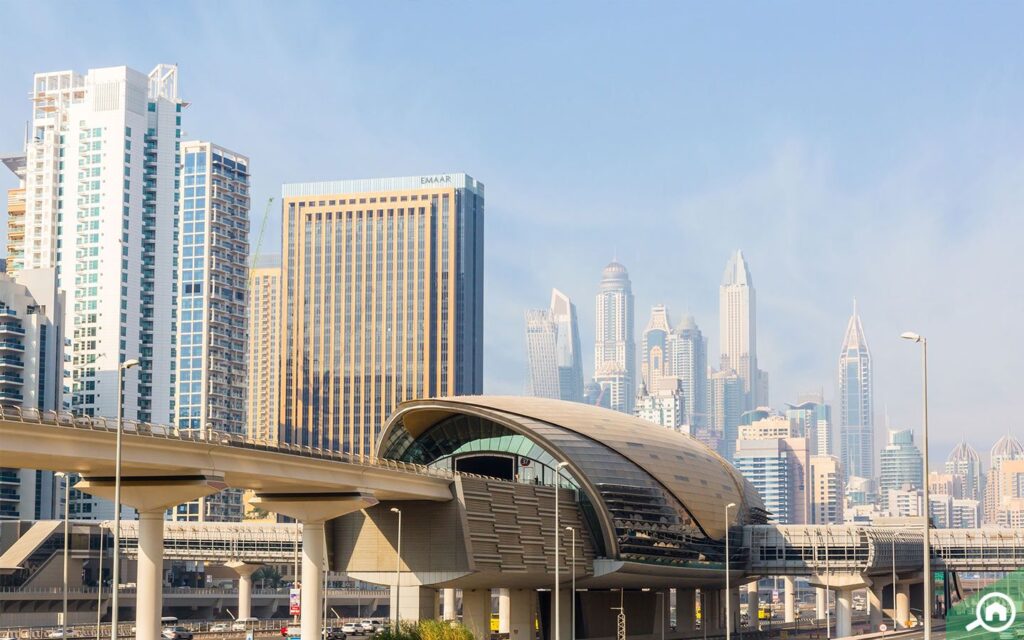
Dubai Metro
The Dubai Metro is the backbone of public transport in Dubai and one of the world’s largest driverless metro systems. It currently runs on two main lines: the Red Line, which traces Sheikh Zayed Road and connects major hubs (including Dubai International Airport on a branch) with the Marina/JBR area; and the Green Line, which serves Deira and Bur Dubai along Dubai Creek. The Route 2020 extension connects the Red Line to Expo City Dubai and surrounding communities.
Looking ahead, the approved Blue Line is planned to further expand coverage by the end of the decade, linking fast-growing residential areas like International City and Dubai Silicon Oasis to the wider network. Trains and stations are fully air-conditioned, with clear signage in English and Arabic, platform screen doors, designated cabins for women and children, and a premium Gold Class cabin.
Fares are zone-based and paid with a Nol card. Always tap in at the gate before boarding and tap out after your journey. Many stations offer seamless interchanges with the tram and feeder buses, plus easy taxi access.
Dubai Tram
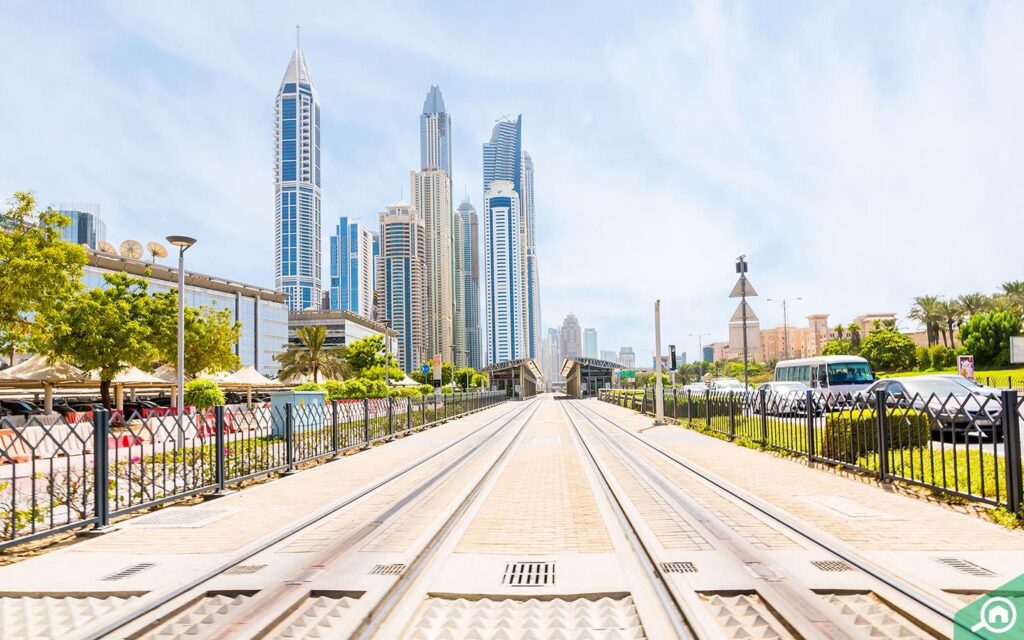
The Dubai Tram complements the metro by serving coastal districts such as Dubai Marina, JBR, and Al Sufouh. It connects directly with the metro at Sobha Realty and DMCC stations, enabling frictionless transfers. The tram operates a catenary-free system and features platform screen doors for added safety and comfort.
Like the metro, the tram accepts Nol cards only. Timings align closely with metro hours, with regular frequencies throughout the day.
Public Bus
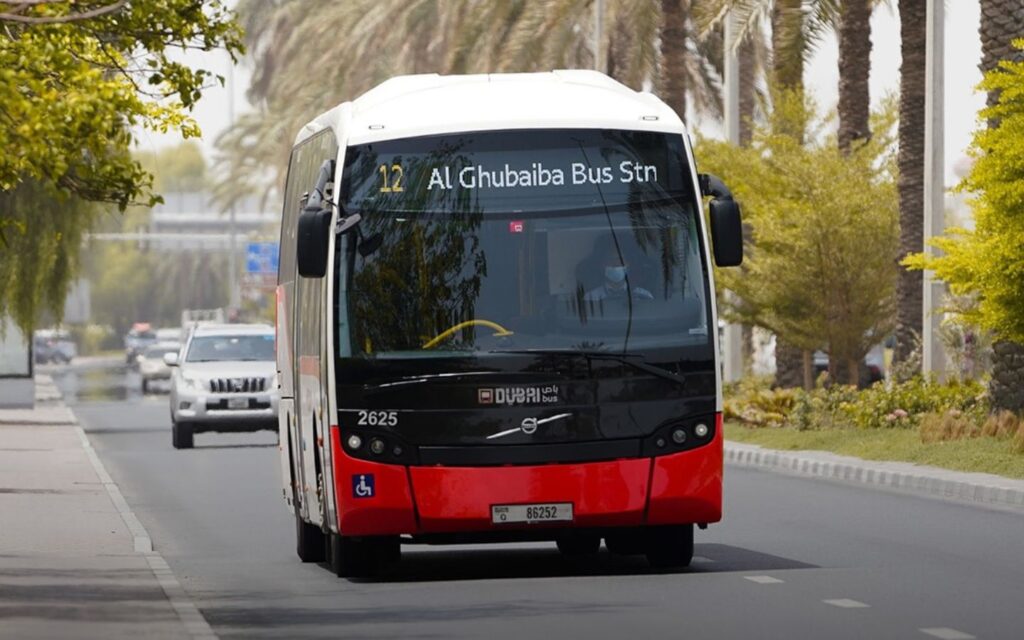
Dubai’s bus network is extensive and reliable, covering the widest geographic area and reaching communities beyond metro corridors. Modern, air-conditioned buses run on frequent schedules, with priority lanes on some corridors and dedicated feeder routes linking major metro stations to residential and business districts.
Use your Nol card to pay when boarding, and keep an eye on real-time arrivals with the RTA’s S’hail journey planner. The network includes internal routes across Dubai and intercity services to neighbouring emirates, making buses a cost-effective backbone for everyday travel.
Taxis
RTA-regulated taxis are abundant, metered, and available 24/7. You can hail one on the street, at ranks beside metro stations and malls, or book through approved apps. Specialty taxis include pink-roof vehicles operated by female captains for women and families. Payment is easy via cash, bank cards, or even Nol in many vehicles.
Ride-hailing apps
Ride-hailing platforms such as Careem and Uber operate citywide and integrate with RTA’s Hala service to match you with official taxis at standard fares. You’ll see upfront pricing, live tracking, and multiple car types, making them a convenient bridge between public transport and door-to-door travel.
Marine transport
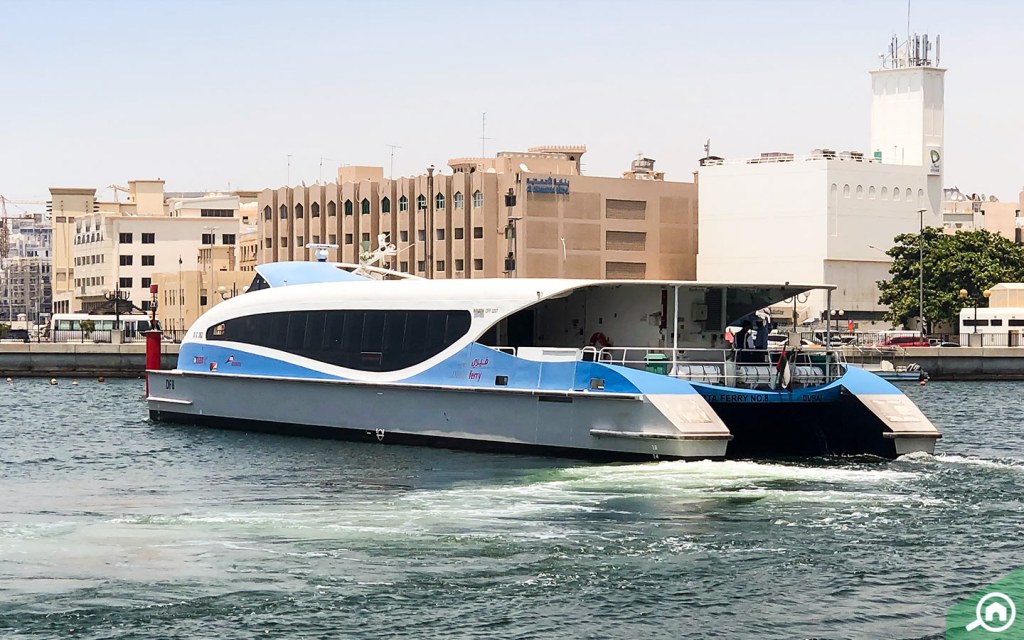
Dubai’s waterways double as transport corridors and sightseeing routes. Options include traditional abras across Dubai Creek, modern Dubai Ferry services for longer coastal trips, and Dubai Water Taxis for flexible, point-to-point travel. Many marine stations connect to metro or tram stops, and Nol is accepted on most services.
DUBAI PUBLIC TRANSPORT APPS
RTA Dubai
The RTA Dubai app is an all-in-one hub to manage your Nol card, top up balances, pay for public parking, and access Salik (toll) services. It also supports taxi bookings and provides quick access to RTA customer services.
S’hail
S’hail is Dubai’s official multimodal journey planner. Enter your origin and destination to see the fastest, cheapest, or most convenient combinations across metro, tram, bus, marine, taxis, and ride-hailing. Real-time bus arrivals and live service updates help you adapt en route.
Nol Pay
Nol Pay lets you check balances instantly, recharge on the go, and review trip history. NFC-enabled phones can top up compatible cards directly, removing the need to queue at ticket machines during peak times.
Complementary tools such as Careem, Uber, and Google Maps also support planning and last-mile connections, particularly when you’re moving between areas not yet covered by rail lines.
DUBAI PUBLIC TRANSPORT FARES
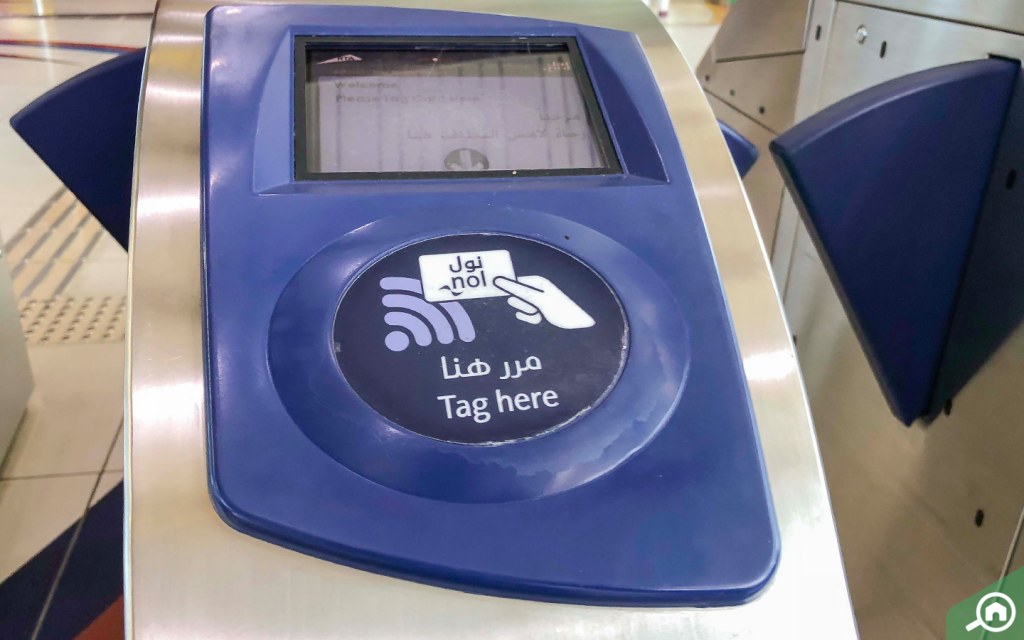
Dubai uses a zone-based fare system across metro, tram, buses, and most marine services. Your fare depends on how many zones you cross. Payment is made exclusively with the Nol smart card; always tap in and tap out to ensure you’re charged the correct amount.
Nol card types include Silver (the go-to for most riders), Gold (access to the premium Gold Class cabin on the metro and tram), Personal (registered to you with added protections and eligibility for concessions), and the Red Ticket (a paper ticket suitable for short visits and occasional travel). Students, senior citizens/residents, and People of Determination may qualify for concessions per RTA policy. Children under five typically travel free.
Typical pay-as-you-go fares (subject to change):
| Journey length | Silver | Gold | Personal | Red Ticket |
|---|---|---|---|---|
| Within 1 zone | AED 3 | AED 6 | AED 3 | AED 4 |
| 2 adjacent zones | AED 5 | AED 10 | AED 5 | AED 6 |
| More than 2 zones | AED 7.5 | AED 15 | AED 7.5 | AED 8.5 |
Good to know:
- Transfers between modes (e.g., metro to bus to tram) within 30 minutes are counted under one fare calculation if you tap correctly and remain within the allowed number of transfers.
- Keep sufficient balance before starting a journey (enough to cover the maximum potential fare for your mode). Gates may not open if your balance is too low.
- Taxis, ride-hailing services, and some marine services have separate fare structures and do not follow the zone table above.
RULES FOR USING RTA PUBLIC TRANSPORT IN DUBAI
Dubai’s system is orderly and family-friendly. Following the rules keeps journeys smooth for everyone—and helps you avoid fines.
- No smoking in any station or vehicle (typical fine: AED 200).
- No eating or drinking inside metro/tram cabins or restricted bus areas (typical fine: AED 100).
- Keep noise to a minimum; avoid arguments and disruptive behavior (typical fine: AED 100).
- Always use a valid Nol card and ensure sufficient balance; using an invalid or expired card can incur a fine (often AED 200).
- Counterfeit or tampered cards can lead to heavier penalties (often AED 500).
- Do not place feet on seats (typical fine: AED 100).
- Pets are not allowed, except for guide dogs supporting visually impaired passengers.
- Respect cabin designations: the Gold Class cabin is for Gold card users only; the women-and-children cabin is reserved for women and children.
- Priority seating near doors is for People of Determination and those who need it most—offer your seat when appropriate.
General etiquette tips: queue in an orderly fashion, allow passengers to disembark before you board, keep luggage out of aisles, and stand clear of doorways.
FAQs ABOUT PUBLIC TRANSPORT IN DUBAI
How do I travel from Dubai to Abu Dhabi by public transport?
Use RTA intercity buses from major Dubai hubs (for example, services departing from Al Ghubaiba or Ibn Battuta). Journeys take roughly 1.5–2 hours depending on traffic. Expect fares in the ~AED 25–35 range. On arrival, Abu Dhabi’s local buses and taxis cover onward travel.
What’s the cheapest way to get around Dubai without a car?
Combine the metro and buses using a Nol Silver card. Short trips within one zone start from AED 3, and the network covers most key destinations. Walking for first/last mile and using ride-hailing only when necessary keeps costs low.
Which apps should I download before using public transport?
Install S’hail for journey planning and live timings, RTA Dubai for Nol top-ups and parking/taxi services, and Nol Pay for quick balance management. Careem and Uber help with last-mile connections or late-night trips.
Can visitors use a paper ticket instead of a card?
Yes. The Nol Red Ticket is ideal for occasional trips and short stays. You can load multiple rides or day products on it at station machines. Frequent travelers will usually save more with a Nol Silver or Personal card.
What are the metro and tram cabin rules I should know?
Use the correct cabin: women-and-children cabins are reserved; Gold Class requires a Gold balance. No eating/drinking inside cabins, keep luggage tidy, and give way to alighting passengers.
Do transfers between metro, bus, and tram count as one trip?
If you tap in/out correctly and switch modes within 30 minutes (staying within the allowable number of transfers), your fare is calculated as a single journey based on zones crossed.
Is public transport accessible?
Yes. Stations and vehicles feature lifts or ramps, tactile paths in many areas, priority seating, and visual/audio announcements. People of Determination may qualify for concessions on registered Nol Personal cards.