
 English
 العربية
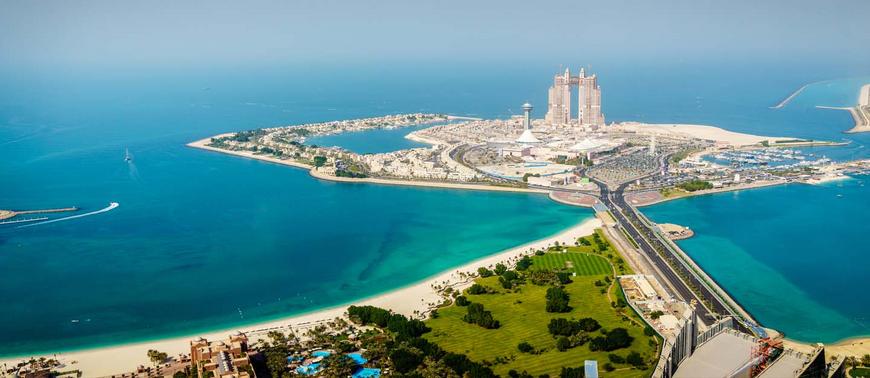
Dalma Island Abu Dhabi is one of the Arabian Gulf’s most quietly compelling destinations: a small, history-rich isle ringed by clear water and calm beaches, dotted with archaeological sites and modest villages that still reflect the UAE’s pre-oil era. It’s close enough for a smooth ferry ride yet far enough to feel like an adventure. Below is everything you need to plan an effortless, rewarding trip—what to see, how to get there and the essentials to keep in mind.
About Dalma Island Abu Dhabi
Nestled roughly 40 kilometres off the western coast of mainland Abu Dhabi in Al Dhafra, Dalma Island has long been a waypoint for traders, sailors and pearl divers navigating the Gulf. Today, it’s an oasis of quiet where heritage meets nature: you’ll find low-key villages, historic homes, date-processing sites, volcanic rock formations and gentle beaches where hawksbill and green turtles sometimes nest.
Beyond the beaches, Dalma’s historical footprint is surprisingly deep. Archaeological excavations revealed evidence of human settlement stretching back thousands of years, including pottery linked to the Ubaid era. The island’s story spans ancient maritime trade and ingenious water management systems, right up to its modern identity as a peaceful community with a strong connection to the sea.

Things to do in Dalma Island
Al Maraikhi House (Dalma Museum)
Step inside Al Maraikhi House—also known as the Dalma Museum—for a close look at the island’s social and maritime history. This two-story residence of Mohammed Bin Jassim Al-Meraikhi once served as a hub for local sailors and visiting merchants. The Meeting Hall acted like a social parliament where traders debated diving conditions, negotiated pearl prices and gauged market trends. Expect artefacts, archival photos and room-by-room narratives that bring the pearling era to life.
Relax on pristine beaches
Dalma Island’s coastline is its calling card: calm waters, soft sand and unhurried horizons that make it easy to switch off. Jebel Dalma Beach is a favourite—an effortless place to swim, snorkel in clear shallows or simply sprawl with a book. The island is also a nesting ground for turtles in season; if you’re lucky, you may spot tracks or protected nesting zones. Always keep respectful distance and follow local guidance to protect wildlife.
Delve into marine adventures
The waters off Dalma Island are ideal for snorkeling and diving, with coral gardens, reef fish and occasional shipwrecks adding intrigue. Beginners can stick to shallow, sandy coves with gentle entry points, while experienced divers may venture out with local operators to deeper sites. Always follow safety protocols, check the day’s sea conditions and avoid disturbing corals or marine life.
- Ideal for: casual snorkeling, photography and calm swims
- What to expect: clear visibility on good days, reef fish, turtle sightings in season
- Tips: bring reef-safe sunscreen; if renting gear, confirm fit and condition before heading out
Eat to your heart’s content at local restaurants
Food on Dalma Island mirrors its maritime character: straightforward, fresh and satisfying. You’ll find small restaurants and cafes serving seafood, grilled meats and casual bites. Popular names include Jasem Juma Ali Al Tamim Restaurant, Amazon Burger and Muhurat Kitchen—great for a quick, unfussy meal between beach time and sightseeing. Ask locals for their current favorites; on small islands, the best spots are often shared by word of mouth.

Visit the public park
Dalma’s public park is a simple, family-friendly green space—perfect for a shaded stroll, picnic or a gentle cycle. It’s an easy pause-point if you’re spending a full day on the island, especially with kids who need room to move between beachfront stops.
Camping on Dalma Island
Camping invites you to experience Dalma’s quiet nights and star-filled skies. Choose established, permitted areas; set up above the high-tide line; and plan ahead for water, shade and waste disposal. Night breezes can be cool even outside peak winter, so pack a light layer, a headlamp and a sturdy tent that can handle coastal winds.
Explore the mangrove trees
Dalma’s mangrove patches offer a different view of the island’s ecology: calm channels, birdlife darting between roots and a buffer zone that protects the shoreline. It’s a serene spot for nature lovers and a great counterpoint to beach days. Tread lightly—mangrove ecosystems are fragile, and even small disturbances can have outsized impact.
Other historical and natural sites
Madabes (date juice) factories
Dalma’s preserved madabes—traditional date syrup facilities—illustrate how communities once processed and stored date nectar. The spaces are simple yet ingenious, reflecting the islanders’ ability to extract maximum sustenance from local resources.
Ancient Ubaid-era settlements
Archaeological finds on Dalma include pottery from the Ubaid era and signs of sophisticated maritime life thousands of years ago. These discoveries underscore Dalma’s long-standing role in Gulf trade and navigation well before the modern era.
Maritime and water systems
From interconnected valleys and wells to stone “dropper” reservoirs, the island’s historic water-management network reveals how residents harnessed scarce resources. These systems exemplify the engineering ingenuity needed to thrive in an arid coastal environment.
Volcanic sites and mineral-rich hills
Dalma’s rugged outcrops and volcanic features—formed millions of years ago—shape its distinctive skyline. Keen-eyed visitors will spot mineral bands in the hillsides, adding geological depth to any hike or photo stop.
Al-Heerat (oyster bed) sites
Al-Heerat connects Dalma’s past and present, linking divers with the island’s historic pearling grounds. While organized dives may be seasonal and conditions-dependent, these sites are a powerful reminder of how pearls once defined regional trade, fashion and fortune.
How to get to Dalma Island
- Ferry from Jebel Dhanna/Al Dhafra: Regular ferries depart from the mainland port near Jebel Dhanna (commonly accessed via the E11). The sailing typically takes about 1.5 hours, depending on vessel and conditions. Arrive early—especially on weekends or holidays—to secure tickets and boarding.
- Taking a car: Vehicle ferries usually operate alongside passenger services. Check capacity and requirements in advance; bring your Emirates ID or passport and car registration details as requested.
- Private boat or charter: For groups or custom schedules, private charters may be available from coastal marinas in Al Dhafra. Confirm safety gear, skipper credentials and fuel range before booking.
- Tour packages: Some operators bundle transportation, guided sightseeing and meals for a day trip. This can be convenient if you prefer a set itinerary or are visiting without a car.
- Schedules and updates: Ferry times can change seasonally or due to weather. Always verify the latest schedule and boarding requirements before you travel.
Things to remember
- Season and clothing: Winter (Nov–Mar) is pleasantly cool; bring a light layer for evenings and sea breezes. Summers are hot and humid—plan activities early or late in the day.
- Sun and hydration: Pack reef-safe sunscreen, a hat, sunglasses, a breathable scarf and plenty of water. Coastal winds can mask dehydration—sip regularly.
- Respect wildlife: Dalma’s beaches may host nesting turtles. Keep your distance from nests, avoid bright lights at night and never touch or disturb wildlife.
- Cultural etiquette: Dress modestly, especially in villages and religious sites. Ask permission before photographing people and be mindful of prayer times.
- Leave no trace: Take all rubbish with you, minimize plastic, and avoid trampling vegetation and mangroves. If you camp, pack out everything you bring.
- Cash and supplies: Small islands have limited ATMs and retail options. Carry cash for small purchases and stock up on essentials before boarding the ferry.
- Connectivity: Mobile coverage is generally available but can be patchy in some spots. Download maps and tickets offline just in case.
- Safety basics: Check sea conditions before swimming or snorkeling, heed local advisories and wear life vests when boating.
FAQs
What is the best time to visit Dalma Island?
November to March offers the most comfortable temperatures for beaches, outdoor sightseeing and camping. If you visit in summer, plan early-morning and late-afternoon activities and prioritize shade and hydration.
Is Dalma Island suitable for a day trip?
Yes. With an early ferry, you can see key sites—Al Maraikhi House, beaches, the public park and a heritage stop or two—then return in the evening. If you want unhurried swims, stargazing or dawn photography, consider staying overnight.
Are there hotels on the island?
Lodging is limited but available. Expect small guesthouses, chalets and simple motels (such as Delma Motel) rather than large resorts. Book ahead for weekends and peak season, and confirm check-in times against ferry schedules.
Can I take my car on the ferry to Dalma Island?
In most cases, yes—vehicle ferries operate alongside passenger services. Arrive early, bring required documentation and follow staff directions for boarding and offloading.
Are guided tours or boat trips available?
Yes. Seasonal tours may include snorkeling, heritage walks and island circuits. If you prefer a tailored day—combining historic stops with beach time—ask operators about custom itineraries.
What should I pack for a beach and snorkel day?
Reef-safe sunscreen, hat, sunglasses, swimwear, water shoes, a quick-dry towel, plenty of water and light snacks. If renting snorkeling gear, confirm mask fit and bring an anti-fog solution.
Is Dalma Island family-friendly?
Absolutely. Calm beaches, a simple public park and short, manageable activities make it easy for families. Just plan shade breaks, pack snacks and keep an eye on little ones near the water.