
 English
 العربية

The Dubai–Oman bus service is a comfortable, low-cost way to travel between Dubai and Muscat (and key cities in northern Oman). Operated jointly by Dubai’s Roads and Transport Authority (RTA) and Oman’s national bus company Mwasalat on route 201, it runs three times a day with air-conditioned coaches, Wi‑Fi, and multiple convenient boarding points. Below you’ll find the latest on ticket prices, bus timings and stops, who can travel, onboard facilities, and expert tips to make your cross-border journey smooth.
Dubai to Oman bus service – an overview
RTA and Mwasalat coordinate the cross-border route between Dubai and Muscat, giving residents, tourists, and business travelers a reliable land connection between the UAE and Oman. For many, it’s an affordable alternative to flying—with scenic views of the Hajar mountains and coastal plains once you enter Oman.
Frequency is typically three departures daily from key Dubai stations, with corresponding services from Oman back to Dubai. Total journey time averages about six hours, depending on traffic and the time required for exit/entry procedures at the border.
Tickets can be purchased at bus stations and official counters in both countries. You’ll need valid ID and travel permissions (see Eligibility below), plus a small border fee on the UAE side. Schedules and fares can change; always confirm close to your travel date.
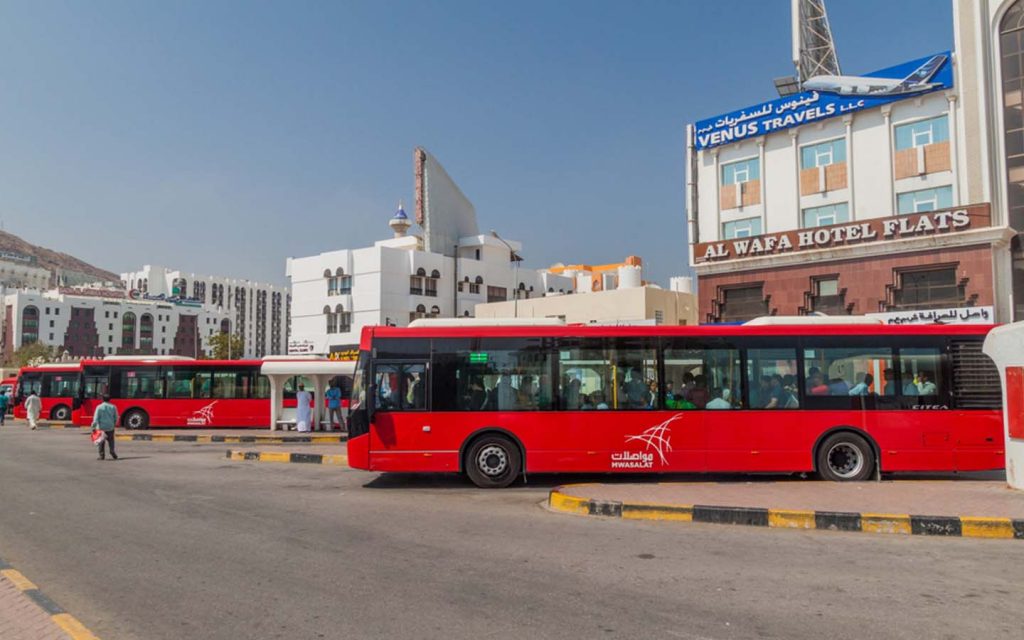
Dubai to Oman bus ticket prices
Here are the typical fares for the Dubai–Muscat route operated by RTA/Mwasalat:
- One-way: AED 55
- Return (round-trip): AED 90
Border fee: A UAE exit fee of AED 35 per person is payable at the border. Keep the receipt until you have fully crossed.
From Oman to Dubai (reference): For the reverse journey, typical prices are around OMR 5.5 (one-way) and OMR 9 (return). Exact amounts may vary by operator and date.
How to pay: Buy your bus ticket at RTA/Mwasalat ticket counters or designated stations. Border fees are usually paid at the immigration counter (cash is safest; card acceptance can vary).
Dubai to Oman bus timings and stops
The cross-border coach departs three times daily from three Dubai stations. Timings can change during holidays and peak seasons, so verify on the day of travel.
| Bus station (Dubai) | Departure times |
|---|---|
| Dubai Airport Terminal 2 | 07:45 am, 03:45 pm, 11:15 pm |
| Al Rashidiya Bus Station | 08:00 am, 04:00 pm, 11:30 pm |
| Abu Hail Station (Salahuddin Road) | 07:00 am, 03:30 pm, 11:00 pm |
Route and major stops in Oman
Once in Oman, the coach serves multiple northern and Greater Muscat stops. You can also board the return bus to Dubai from these points (subject to availability):
- Shinas
- Barka
- Muscat Airport
- Athaiba
- Burj Al Sahwa
- Maabela
- Musanah
- Suwaiq
- Khabura
- Saham
- Sohar
How long does it take?
The Dubai–Muscat distance is roughly 400 km. Typical travel time is about 6 hours, including border procedures. Expect possible variance due to traffic, public holidays, and passenger volume.
Border process, step by step
- At the UAE exit, pay the AED 35 fee (keep the receipt).
- Proceed to Omani immigration; present your passport/ID and visa if required.
- Security checks and stamping are handled at both sides before re-boarding the bus.
Carry your documents on your person (not in stowed luggage) to avoid delays.
Who can travel to Oman from Dubai by bus?
GCC citizens (UAE, Oman, Bahrain, Kuwait, Saudi Arabia, Qatar) can usually travel using a valid National ID card; a valid passport is also accepted. Always check current entry rules before traveling.
Non-GCC nationals will generally require a valid passport and an Omani visa (or visa exemption/visa on arrival, if eligible). If you’re a UAE resident, some nationalities and residency categories may be able to obtain an eVisa or visa on arrival for Oman—check the latest requirements on the official Omani channels before your trip.
Documents checklist
- Valid passport (with recommended minimum 6 months’ validity)
- For GCC citizens: National ID or passport (as per current policy)
- Valid Oman visa, if required (printout or digital proof)
- UAE residence permit, if applicable
- Return/onward ticket evidence if requested
- Cash/card for border fees and incidentals
Ensure your UAE residence permit and your passport are both valid for the durations required by immigration authorities.
Booking and ticketing
- Buy tickets at RTA/Mwasalat counters in Dubai or Oman.
- Arrive at least 30–45 minutes before departure for check-in and seat allocation.
- During busy weekends and holidays, consider purchasing your return ticket in advance.
Onboard facilities
Modern Mwasalat coaches used on the Dubai–Oman route are built for long-distance comfort and safety. Typical amenities include:
- Air-conditioning and cushioned, reclining seats
- Free Wi‑Fi (availability can vary along the route)
- USB charging ports or power outlets on some coaches
- Overhead storage and underfloor luggage compartments
- Seat belts and modern safety features
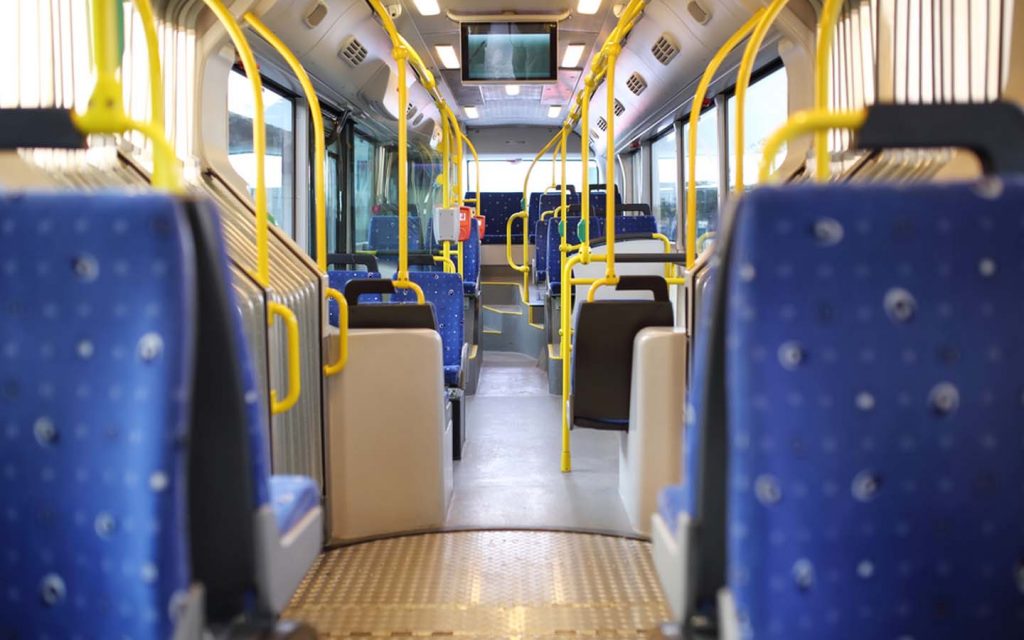
Luggage allowance (typical)
- One medium suitcase plus a personal item (e.g., backpack) per passenger is commonly accepted.
- Bulky or excess baggage may be refused or charged extra at staff discretion; confirm at the counter.
Accessibility
Coaches are standard intercity buses. If you need mobility assistance, arrive early and inform station staff—boarding support is commonly provided where feasible.
Connectivity to onward transport
The Dubai stations (Abu Hail, Al Rashidiya, and Airport T2) connect smoothly to the wider city network, including taxis and the Dubai Metro. In Oman, key stops like Burj Al Sahwa, Athaiba, and the airport provide access to local buses and taxis for onward travel.
Other Dubai–Oman bus operators
Beyond the RTA–Mwasalat coach, private operators also run services between Muscat and Dubai. For example, Al Khanjry buses operate near Muscat’s Ruwi area, with a typical Muscat departure around 06:00 am and a return trip from Dubai near 03:00 pm daily. Always confirm departure points, prices, and timings directly with the operator before traveling.
Practical tips for a smoother trip
- Travel at off-peak times: Weekends and holidays can mean longer border queues; mornings are often less busy.
- Keep documents handy: Carry passport, ID, visas, residence card, and fee receipts in a small pouch.
- Bring snacks and water: There may be limited stop options en route.
- Cash matters: Have small bills for border fees and quick purchases.
- Connectivity: Wi‑Fi can fluctuate; download maps and music offline.
- Dress comfortably: Temperatures on coaches are cool; a light layer helps.
FAQs
How long is the Dubai to Oman bus trip?
Plan for roughly 6 hours door to door, including border procedures. Traffic, passenger volumes, and holiday periods can extend the duration.
How much does the bus cost from Dubai to Muscat?
Standard fares are around AED 55 one-way and AED 90 return on the RTA/Mwasalat route. A UAE border exit fee of AED 35 per person applies separately.
Do I need a visa to enter Oman by bus?
GCC citizens generally do not need a visa to visit Oman for short stays. Non-GCC nationals usually require a visa (or visa exemption) depending on nationality and residency status. Check the latest rules with official Omani sources before traveling.
Where can I board the bus in Dubai?
Common departure points are Abu Hail Station (Salahuddin Road), Al Rashidiya Bus Station, and Dubai Airport Terminal 2—each with three daily departures, subject to change.
What documents should I carry?
Carry your passport (or GCC National ID where permitted), required visa, UAE residence ID if applicable, and cash for the border fee. Keep all documents with you (not in stowed luggage).
Is there Wi‑Fi and charging on board?
Yes, coaches typically offer free Wi‑Fi and may provide USB/power outlets. Service quality can vary by area and network coverage.
Can I travel from Oman to Dubai by bus from Sohar?
Yes. Return services stop at Sohar and other northern Omani cities. Typical one-way/return fares are about OMR 5.5/OMR 9, but confirm current prices and timings with the operator before your trip.