
 English
 العربية
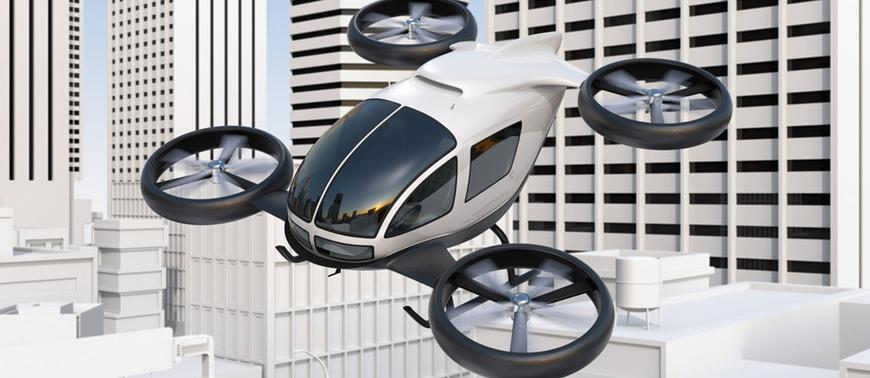
Flying cars in Dubai are moving from sci‑fi to scheduled service. Between eVTOL air taxis, roadable gyroplanes, and modular “car-plus-drone” concepts, the emirate is piloting multiple paths to urban air mobility. Below is a clear look at timelines, players, costs, infrastructure and what residents can expect.
Dubai air mobility solutions
It’s 2025 and Dubai is doing what it does best: turning bold ideas into practical public services. If you’ve ever been stuck on Sheikh Zayed Road imagining a shortcut through the sky, you’re not alone—and that vision is edging closer to reality.
As with many of the city’s future-forward initiatives, Dubai’s aerial mobility push aligns with the leadership’s directives to elevate efficiency, safety, and sustainability. The approach is deliberately multi-track: fast-tracking electric vertical take-off and landing (eVTOL) taxis for intra-city hops, exploring modular “flying car” concepts for flexible personal travel, and supporting roadable aircraft that can drive and fly.
Here are the headline projects shaping the near future of flying or floating cars in Dubai.
Aridge
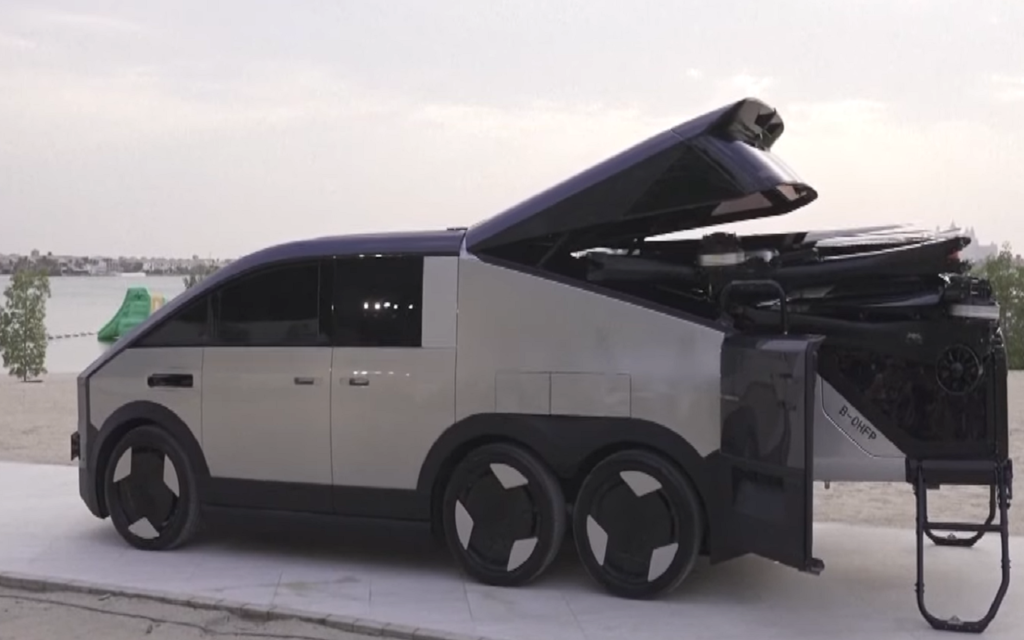
Aridge, a Chinese firm previously known as Xpeng Aeroht, is among the most eye-catching entrants. Industry reports indicate the company conducted a manned demonstration flight in Dubai in October 2025, and GCC buyers have pre‑ordered hundreds of units—suggesting you may see this platform operating regionally sooner than expected.
Aridge’s concept is a modular flying car: a street-legal ground vehicle that carries and recharges a separate two-seat eVTOL aircraft. When you need to fly, the flying module undocks and lifts off vertically; when you’re done, it redocks to the car for recharging and onward driving. Customers are expected to have access to both automatic and manual piloting modes (subject to regulations and certification).
- Why it matters: Modularity reduces hangar needs and adds flexibility—drive to a suitable take-off area, then fly.
- Use cases: Suburban to city hops, resort transfers, last-mile links to vertiports, or leisure flights over desert and coast (within regulated air corridors).
- Constraints: Certification, pilot training where required, airspace integration, and quiet-operations standards will shape how and where the system is used.
Aviterra
For those asking when electric flying cars will land in the UAE, Aviterra—based in Dubai—has announced a major step. The company plans to introduce more than 100 two-seat PAL‑V Liberty flying cars beginning in 2026. The Liberty is a roadable gyroplane: it can be driven like a compact car and, after a brief setup, it transitions for flight.
According to company materials, the PAL‑V Liberty needs about a 120‑metre strip for take-off (so it is not VTOL) and can cruise up to around 11,000 feet. It runs on standard gasoline, with a quoted maximum airspeed near 180 km/h and a range up to 500 km under ideal conditions. In practice, that means city‑to‑city leisure trips—think Dubai to Ras Al Khaimah or Al Ain—are within reach, weather and regulations permitting. Do note: as a gyroplane, it typically requires a pilot’s license and adherence to aviation rules, and it must use approved strips or small airfields for take-off and landing.
FLYING TAXIS DUBAI
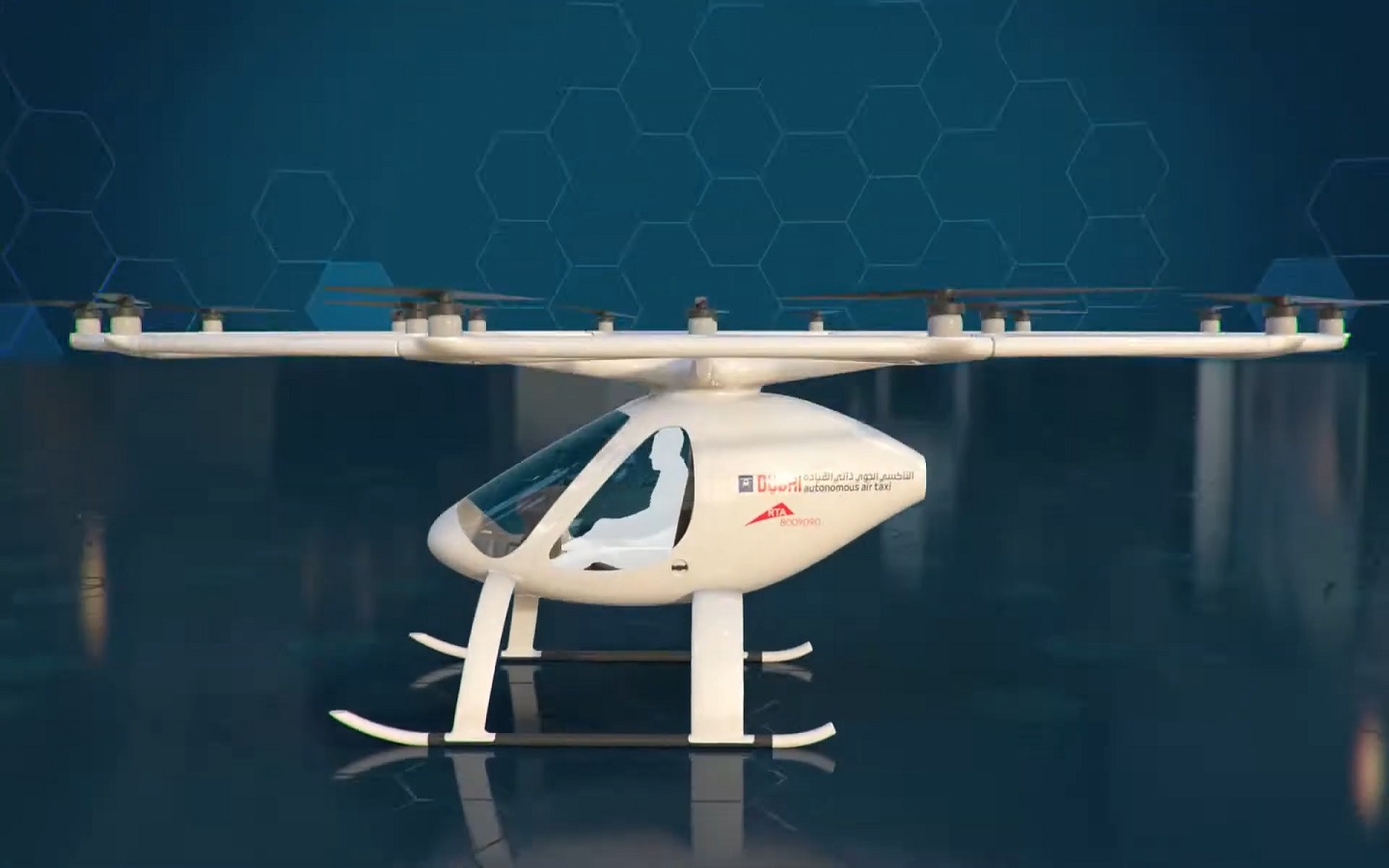
Dubai’s most visible pathway to “flying cars” is the eVTOL taxi program. The Roads and Transport Authority (RTA), in collaboration with Joby Aviation, has announced a milestone crewed eVTOL flight in the emirate, reportedly completing a 17‑minute hop from Joby’s test site in Margham to Al Maktoum International Airport. A limited commercial launch has been signposted for 2026, subject to certification and infrastructure readiness.
To support aerial taxis, the RTA is working with Skyports Infrastructure on a network of vertiports (specialized take-off and landing hubs with passenger facilities and charging). Reports indicate the first vertiport near Dubai International Airport has passed the halfway mark in construction, with three additional sites in the pipeline in partnership with major developers and destinations, including Emaar Properties, Atlantis The Royal, and Wasl Asset Management Group.
What an aerial taxi ride could feel like
- Booking: App-based reservations with transparent pricing, time slots, and baggage allowances. Expect multimodal options that bundle a car pickup with your flight.
- Check-in: Streamlined security and safety briefing at the vertiport; eVTOLs typically seat 4–6 passengers plus a pilot during early operations.
- Flight: Quiet, all-electric, point‑to‑point hops. Early routes are likely to link airports, business districts, and resort hubs to minimize time and maximize demand.
- Duration: 10–20 minutes for many city crossings that might take 35–60 minutes by car at peak times.
What will it cost?
Initial fares are expected to be premium—closer to helicopter pricing than everyday ride-hailing—before dropping as fleets scale and utilization rises. Industry projections suggest early services could be priced in the hundreds of dirhams per seat for short urban hops, with downward pressure over time as battery, maintenance, and infrastructure costs improve.
Safety, certification, and airspace
- Certification: eVTOL aircraft must pass stringent airworthiness approvals. Early operations will be piloted, with autonomous features introduced gradually as regulators gain confidence.
- Airspace management: Dedicated corridors, altitude separation, and a digital traffic management layer (UTM) will help integrate eVTOLs with conventional aircraft and drones.
- Vertiport standards: Purpose-built pads, firefighting systems, energy management, and passenger safety protocols will mirror the rigor seen in commercial aviation, adapted for urban settings.
Weather and operations
Dubai’s environment presents unique challenges—summer heat, coastal humidity, fog, and occasional dust storms. Operators are pairing thermal management and robust flight planning with conservative performance margins to maintain safety and schedule reliability. Expect weather-related pauses to be handled similarly to today’s aviation: safety first, with clear passenger rebooking options.
Sustainability and noise
eVTOLs are all-electric, zero emission at the point of use. Their propellers are optimized for low noise, with many designs targeting sound levels below typical city traffic from a short distance away. Over time, electrification and optimized routing can meaningfully reduce both carbon and noise footprints for short aerial hops compared to helicopters.
UBER FLYING CARS DUBAI
Uber has long signaled interest in urban air mobility and is collaborating with Joby Aviation to bring eVTOL booking into the Uber app where services launch. For riders, this means familiar ride-hailing workflows—search, price, book—extended into the sky. In select markets, Uber already surfaces aerial options via partners, and Dubai is poised to benefit from the same in-app experience as eVTOL services roll out.
As integrations mature, expect bundled journeys that combine car pickup, vertiport flight, and a final ground leg under one itinerary, plus app-based customer support and loyalty benefits.
So, distant dream or imminent reality?
Both—and that’s the honest answer. In 2025, Dubai is already flying demonstrators, building vertiports, and aligning regulators and operators. By 2026, limited commercial aerial taxi routes are expected to open, with service expanding as aircraft obtain certifications and infrastructure scales. Personal “flying cars” will appear in niche, regulated use cases first (training, tourism, point‑to‑point leisure) before broad public adoption—especially for models that aren’t VTOL and require take-off strips and pilot licensing.
Will the skyline look like The Jetsons overnight? No. But within the next few years, seeing eVTOL taxis overhead and roadable aircraft at dedicated sites will become a normal part of Dubai life. The technology is largely ready; now the focus is on safe scaling, smart regulation, and public trust.
FAQs
Are there flying cars in Dubai right now?
Demonstrator flights and pilot programs are underway, and Dubai has showcased multiple platforms. Limited public eVTOL taxi services are targeted to begin in phases, with broader availability scaling after certifications and infrastructure are complete.
When will flying taxis launch in Dubai?
Officials and operators have signposted 2026 for initial commercial routes, subject to regulatory approval, safety validations, and vertiport readiness. Expect a gradual rollout—few routes first, then more as aircraft and hubs come online.
How much will an eVTOL ride cost?
Early pricing will likely be premium—comparable to helicopter transfers—before trending downward with scale. Projections suggest early short hops could cost in the hundreds of dirhams per seat, with reductions over time as fleets grow and operations mature.
Where will vertiports be located?
Dubai’s first wave of vertiports is being developed near key hubs, including an initial site close to Dubai International Airport, with additional sites planned in partnership with major developers and destinations. Exact locations and opening timelines will be announced as construction progresses.
Do I need a pilot license to use a personal flying car?
For roadable aircraft like the PAL‑V Liberty (a gyroplane), a pilot’s license and adherence to aviation rules typically apply, including using approved strips for take-off and landing. For eVTOL taxis, you’ll fly as a passenger; early services will have professional pilots.
How safe and quiet are eVTOLs?
eVTOLs are designed with multiple redundant motors, batteries, and flight controls, and they must meet stringent airworthiness standards. They are much quieter than helicopters, with sound profiles engineered to blend into urban noise at relatively short distances.
Can I bring luggage on an aerial taxi?
Yes, but weight and size limits will apply due to aircraft performance and safety margins. The booking app will specify baggage allowances; oversized items may need a separate ground transfer.