
 English
 العربية
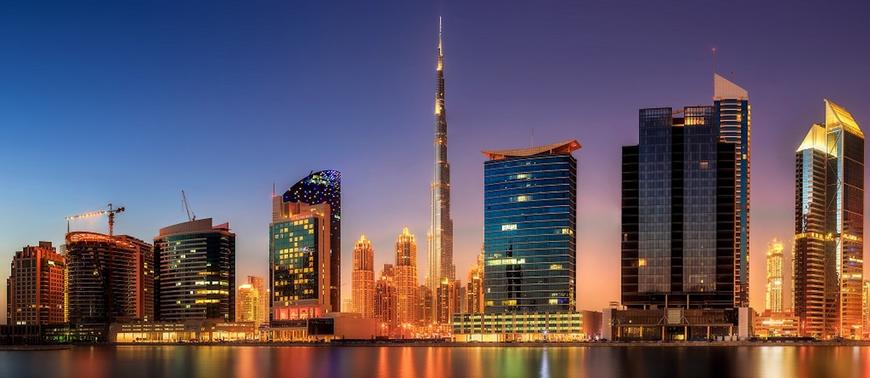
Planning to open a free zone office in Dubai? This practical guide explains how free zones work, the benefits you can expect, what licences and documents you’ll need, and the key decisions to make before you commit. Use it as a checklist to streamline your company formation and avoid costly detours.
Dubai is the region’s commercial hub and a magnet for foreign investment. Free zones—special economic areas with their own regulations—make it especially attractive for international founders by offering simplified setup, sector-focused communities, and notable tax and customs advantages. Still, each free zone operates differently, so the smartest move is to plan your structure, activity, and location upfront.
Benefits of opening a business in Dubai Free Zones
Dubai’s free zones (often abbreviated as FZ) are government-planned economic areas designed to facilitate international business. While each zone has its own rulebook, the headline advantages are consistent and compelling:
- 100% foreign ownership and full profit repatriation
- Zero personal income tax and no currency controls
- Customs duty benefits on imports/exports within many zones
- Simplified incorporation and visa processing
- Sector-focused ecosystems (media, tech, healthcare, logistics, finance, manufacturing and more)
- Modern infrastructure and business support services
Under the UAE Corporate Tax regime, eligible free zone companies may access preferential tax treatment on qualifying income, subject to substance and compliance conditions. Even as mainland ownership rules have liberalized in recent years, many entrepreneurs still prefer free zones for their streamlined setup and operating environment.

How to start a business in Dubai free zones
At a high level, the process is straightforward—if you prepare well. Here’s a typical sequence:
- Define your legal entity and shareholding (FZE vs. FZ-LLC, or branch)
- Choose your business activities and corresponding licence
- Select a compliant trade name and reserve it
- Pick the free zone and office solution (flexi-desk, serviced office, warehouse, land)
- Secure initial approvals and submit pre-approval documents
- Sign lease/office agreement and complete registration
- Receive your trade licence, then apply for establishment card and visas
- Open your corporate bank account and commence operations
For official guidance, see the UAE government resource on starting a business in a free zone.
Types of Free Zones in Dubai
Free zone entities generally take one of two core forms:
- Free Zone Establishment (FZE): typically a single shareholder
- Free Zone Company (FZ-LLC): multiple shareholders (individuals and/or corporates)
The key difference is the number and type of shareholders, though documentation and capital requirements vary by zone. You can also register a branch of a foreign or UAE company in many free zones without separate share capital.
Dubai hosts 30+ free zones. Popular examples include Dubai Multi Commodities Centre (DMCC), Jebel Ali Free Zone (JAFZA), Dubai Airport Free Zone (DAFZ), Dubai Silicon Oasis (DSO), Dubai Internet City (DIC), Dubai Media City (DMC), Dubai World Trade Centre (DWTC), Dubai South, Dubai Healthcare City (DHCC), Dubai International Financial Centre (DIFC), and Dubai Design District (d3). Each targets specific clusters—so pick one that matches your activity for smoother approvals and stronger business fit.
The type of business and licensing for opening a business in the Dubai free zones
Clarify your operating model before you apply. Are you a solo consultant, a growing team, or a regional HQ? Not all free zones offer freelancer permits, and visa quotas often depend on your office size and licence type.
Licences are activity-based. Common categories include:
- Commercial/Trading: for buying, selling, import/export, and distribution
- Professional/Service: consultancy, IT, design, education, marketing, HR, etc.
- Industrial/Manufacturing: light manufacturing, processing, assembly, packaging
- E-commerce: online retail/marketplace operations
- Media/Education/Healthcare/Logistics: sector-specific activities within specialized zones
Many zones allow multiple activities under one licence if they are related and listed by the authority. Some activities require extra approvals (e.g., healthcare, education, financial services), and certain zones (like DIFC for finance or DHCC for healthcare) act as regulators for their sectors. To avoid delays, match your precise activities to a zone that already licenses them.

Selecting an appropriate name for the business
Trade name rules in Dubai are straightforward but enforced. The name must be unique, respectful, and relevant to your activities, and it should avoid religious, political, or offensive terms. Certain suffixes (like “FZE” or “FZ-LLC”) may be required, and if using a person’s name, it typically must be the full name rather than initials. Reserve your name through the free zone or relevant authority before you proceed to final registration.
Selecting the right free zone
Your zone choice can make or break your go-to-market plan. Consider:
- Sector fit: Choose a zone that routinely licences your exact activities
- Location: Proximity to ports, airports, or talent hubs (e.g., JAFZA for sea freight, DAFZ for air cargo, Dubai South for aviation/logistics)
- Office and warehouse options: Flexi-desk vs. dedicated office; availability of light industrial units
- Visa quotas: Often linked to office size and package type
- Set-up and renewal costs: Licence fees, office rent, deposits, and visa costs
- Compliance obligations: Audit requirements, reporting timelines, and corporate substance rules
- Community and ecosystem: Access to customers, partners, and events in your niche
Operationally, it’s easier and more cost-effective to be where your suppliers, regulators, or customers already are. Also factor in commute times and housing for employees; several free zones sit near established residential areas, which helps with hiring and retention.

OFFICE SPACE
Free zones provide a spectrum of space solutions—each with distinct visa entitlements and compliance implications:
- Flexi-desk: Shared workstation with limited on-site usage; lower cost and entry-level visa quotas
- Serviced office: Private, furnished office with shared amenities
- Dedicated leased office: Customizable space for teams; higher visa quotas
- Warehouse/light industrial units: For storage, assembly, or production in zones that allow industrial activity
Examples:
- DMCC: options range from flexi-desk (approx. 20–30 sq. m) to multi-floor offices (up to ~2,000 sq. m), depending on availability
- DAFZ: office packages span smart desk options to executive offices; ideal for businesses reliant on air freight
Documents required to establish and register your company
Exact paperwork varies by zone and activity, but you’ll typically pass through two stages: pre-approval and incorporation/registration. Prepare clean, notarized, and attested copies where required, and ensure consistency across all forms.
Pre-approval documents (typical)
- Completed application form and proposed activities
- Business plan or activity description
- Passport copies for all shareholders and the proposed manager/director
- Specimen signatures for shareholders and manager/director
- Existing trade licence/registration (for branches or local entities)
- Bank reference letter for individual shareholders or last 2 years’ audited financials for corporate shareholders
- No-Objection Certificate (NOC) from current sponsor (if applicable)
- Letter of intent and initial office/space indication
- Identification forms (e.g., RIC) as required by the zone
Freelancers usually submit fewer documents—often an application form, CV, identification form, and bank reference letter. Always verify activity-specific requirements before you apply.
Registration/incorporation documents (typical)
- Company registration application
- Board resolution appointing the manager/director (notarized/attested)
- Power of Attorney in favor of the manager/director (notarized/attested)
- Memorandum and Articles of Association (notarized/attested)
- Specimen signature and passport-sized photos for the manager/director
- Share capital details and proof (if applicable)
- Signed lease/office agreement within the free zone
Banking and finance essentials
Most free zone companies open a local corporate bank account after licence issuance and establishment card activation. Banks perform robust KYC, so transparency and documentation are key.
What banks commonly require
- Completed corporate account opening form
- Board resolution approving the account and authorized signatories
- Trade licence, incorporation/registration certificates
- MOA/AOA, share certificates, and UBO details
- Passports and visas/emirates IDs (where applicable) of owners/signatories
- Proof of address and sample contracts/invoices for expected transactions
Some banks set a minimum average balance (commonly AED 5,000–200,000, depending on the bank and risk profile). Expect compliance interviews and a 1–4 week timeline if your documents are complete.

Share capital: how much do you need?
Minimum share capital depends on the zone and legal form, and whether you’re opening a new entity or a branch. Illustrative examples (always check the latest rules):
- DAFZ: FZCOs may begin from AED 1,000 minimum share capital
- DMCC: historically AED 50,000 per company and AED 10,000 per shareholder for FZ-LLCs
Branches usually do not require separate share capital. Keep in mind you might need to deposit and then be able to use or withdraw the funds, depending on the zone’s process and your bank.
Visas, hiring, and mainland access
Free zone entities can sponsor employee visas, with quotas generally linked to your office package (a larger office usually means more visas). You’ll need establishment cards, e-channel registration (if applicable), medical insurance, and to follow PRO processes for new hires and renewals.
Selling to the UAE mainland: Free zone companies can contract with mainland customers, but delivery and invoicing structures must comply with UAE regulations. In many cases, you’ll engage a mainland distributor/agent or open a mainland branch for on-the-ground trading. Discuss your intended model with the free zone and a qualified advisor before you go live.
Compliance and renewals
Budget not just for setup, but also for ongoing obligations. Depending on the zone and your activities, you may need to:
- Renew your trade licence and lease annually
- Maintain proper books and appoint an external auditor if required
- File audited financial statements (many zones require annual audits)
- Meet Economic Substance Regulations (ESR) and Ultimate Beneficial Owner (UBO) reporting where applicable
- Comply with AML/CFT obligations for relevant sectors
- Assess corporate tax implications and file returns as required under UAE law
Penalties for missed filings can be significant, so set calendar reminders and assign responsibility early.
FAQs about free zone business setup in Dubai
How long does it take to set up a free zone company?
With complete documents and straightforward activities, many free zone licences are issued in 1–3 weeks. Add extra time for name reservation, approvals for regulated activities, banking, and visas.
Do I need to visit Dubai in person to complete registration?
Some free zones allow third-party authorization or remote setup for certain steps, while others require the owner or manager to visit for signatures, immigration, or banking. Check the latest rules with your chosen zone.
Can a free zone company sponsor employee visas?
Yes. Visa quotas usually depend on your office solution and the zone’s policy. Ensure you budget for medicals, Emirates ID, and insurance.
What is a flexi-desk?
A flexi-desk is a shared workstation package that satisfies the office requirement at a lower cost and typically includes a limited number of visas and on-site hours.
Can I open a branch of my existing company in a free zone?
In most zones, yes. A branch mirrors the parent company’s activities and often does not require separate share capital, but it must meet the zone’s documentation and approval standards.
Can I have multiple activities under one licence?
Usually yes, if the activities are related and permitted by the zone under the same licence category. Unrelated activities may need separate licences or additional approvals.
What are the main differences between an FZE and an FZ-LLC?
An FZE typically has a single shareholder, while an FZ-LLC allows multiple shareholders. Documentation, share capital, and governance requirements can differ by zone.