 English
 العربية
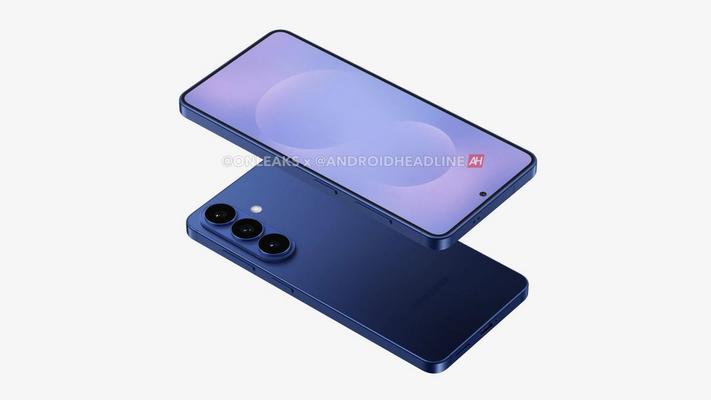
The Samsung Galaxy S26 represents Samsung's next attempt to maintain its position in the premium smartphone market against increasingly fierce competition from Apple's iPhone 17. After months of disappointing leaks and underwhelming rumors, some positive developments are finally emerging for prospective buyers. However, the critical question remains: will these improvements be substantial enough to make the Galaxy S26 a compelling choice, or has Samsung waited too long to deliver meaningful upgrades?
The Storage Upgrade: A Welcome Change, But Not Enough
The most significant piece of good news surrounding the Galaxy S26 involves a long-overdue storage bump. Samsung appears poised to finally eliminate the embarrassingly outdated 128GB base storage option, moving to 256GB as the new starting point for its flagship device.

While this improvement is certainly welcome in 2025, it raises serious questions about pricing strategy. The current Galaxy S25 starts at $799 with 128GB of storage. If Samsung wants to maintain price parity with Apple's iPhone 17, which also starts at $799, the company faces a difficult decision:
- Option 1: Keep the $799 price point with 256GB storage, absorbing the increased component costs
- Option 2: Increase the price to $849 or higher, potentially losing price-conscious consumers to Apple
- Option 3: Implement regional pricing strategies, with increases in markets deemed more tolerant of higher prices
None of these options are ideal, and Samsung's ultimate decision could significantly impact the Galaxy S26's commercial success.
The iPhone 17 Challenge: A Formidable Competitor
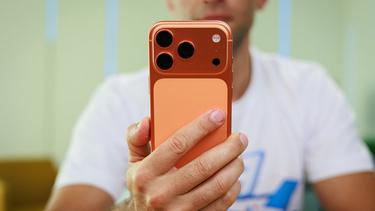
Understanding why the Galaxy S26 faces such pressure requires examining what Apple accomplished with the base iPhone 17. Unlike previous iterations that felt like afterthoughts compared to Pro models, the iPhone 17 delivered substantial improvements across multiple categories:
- Display Enhancement: Upgraded from 6.1 inches to 6.3 inches with 120Hz ProMotion technology finally added to the base model
- Camera Performance: Significant improvements to both rear and front-facing cameras
- Battery Life: Improved endurance scores despite the larger display
- Design Refinement: Updated aesthetics that differentiate it from its predecessor
This comprehensive upgrade approach has made the iPhone 17 arguably the best value in Apple's current lineup. For Samsung to compete effectively, the Galaxy S26 needs to offer similar across-the-board improvements rather than incremental changes.
What We Know About Galaxy S26 Specifications
Based on current leaks and rumors, here's what the Samsung Galaxy S26 is expected to offer:
Display
The Galaxy S26 will likely retain the 6.3-inch display size introduced with the S25, featuring Dynamic AMOLED 2X technology with a 120Hz adaptive refresh rate. While these specifications are competitive, they don't represent a meaningful upgrade from the previous generation.
Processor
Samsung is expected to use the Snapdragon 8 Elite (or equivalent next-generation Qualcomm chip), providing the expected year-over-year performance improvements. This is standard practice and unlikely to serve as a major differentiator.
Camera System
Details remain murky on camera improvements. While some sources suggest meaningful upgrades, others indicate the camera system may be largely unchanged from the S25. This uncertainty is concerning given how crucial camera performance is to flagship smartphone buyers.

Charging Speed
One area where Samsung could deliver a meaningful improvement involves charging speed. The Galaxy S25's 25W charging capability has been criticized as outdated, especially compared to Chinese competitors offering 100W+ charging. Recent conflicting reports suggest the S26 might jump to 45W charging, which would be a welcome improvement, though still conservative by industry standards.
Battery Capacity
Battery capacity improvements remain uncertain, with most leaks suggesting similar capacity to the S25. Any improvements in battery life would likely come from processor efficiency gains rather than larger batteries.
The Pricing Dilemma: Samsung's Biggest Challenge
Perhaps no single factor will determine the Galaxy S26's success more than its final pricing. Samsung faces a perfect storm of challenges:
- Rising Component Costs: Semiconductor prices, display panels, and memory chips have all increased in cost
- Currency Fluctuations: Global economic conditions have affected pricing strategies worldwide
- Competitive Pressure: Apple's pricing discipline has set consumer expectations
- Value Perception: Consumers increasingly scrutinize whether flagship phones justify their premium prices
If Samsung raises the Galaxy S26 price above $799 without delivering substantial improvements beyond storage, the company risks losing market share to both Apple and increasingly competitive Chinese manufacturers.
Could Samsung Be Hiding Something?
Interestingly, the Galaxy S26 launch cycle has been unusually secretive compared to previous years. Typically, by this point in the pre-launch period, extensive hands-on leaks and detailed specification sheets would have surfaced. The relative lack of concrete information has led some analysts to speculate that Samsung might be withholding significant features or improvements.
Potential surprises could include:
- More substantial camera improvements than currently rumored
- New AI features exclusive to the S26 series
- Design changes that haven't been captured in current renders
- Aggressive pricing that undercuts expectations
- Enhanced durability or water resistance ratings
However, relying on Samsung to deliver surprise improvements goes against recent history, where the company's flagship launches have largely met (but rarely exceeded) leaked expectations.
The Galaxy S26 Pro Naming Controversy
Adding to the confusion surrounding the Galaxy S26 is the rumored "Pro" branding that was briefly suggested before being seemingly abandoned. The idea that Samsung would apply Pro branding to a device without meaningful Pro-level improvements highlights the company's apparent identity crisis with its flagship lineup.
The Galaxy S Ultra continues to dominate Samsung's flagship narrative, often leaving the base Galaxy S model feeling like an afterthought. This internal competition may be hurting Samsung's ability to position the standard Galaxy S as a compelling standalone product rather than simply a cheaper alternative to the Ultra.
What Samsung Needs to Do
For the Galaxy S26 to succeed against the iPhone 17 and justify its flagship positioning, Samsung needs to deliver on several fronts:
- Maintain $799 Pricing: Any price increase, even to $849, will be perceived negatively given the minimal improvements rumored
- Deliver Camera Improvements: Meaningful upgrades to image processing, low-light performance, or zoom capabilities are essential
- Improve Charging Speed: Moving to 45W or higher charging would address a long-standing criticism
- Enhance Software Experience: Exclusive AI features and longer software support commitments could differentiate from Apple
- Communicate Value: Samsung needs to clearly articulate why the S26 deserves consideration over the iPhone 17
The Bottom Line: Cautious Optimism
The Galaxy S26 finds itself in a challenging position. The good news about storage upgrades and potential charging improvements is welcome but may not be sufficient to generate excitement among consumers who have increasingly high expectations for flagship smartphones.
Samsung still has time to surprise the market, and the unusual lack of concrete leaks suggests the company may be holding back information. However, betting on Samsung to exceed expectations requires a leap of faith that recent history doesn't necessarily support.
For consumers considering the Galaxy S26, the wisest approach may be to wait for the official announcement and full reviews before making a purchase decision. The smartphone market offers more excellent choices than ever, and settling for incremental improvements at flagship prices no longer makes sense when compelling alternatives exist at every price point.
Frequently Asked Questions
When will the Samsung Galaxy S26 be released?
The Samsung Galaxy S26 is expected to be unveiled at an Unpacked event in early 2025, likely in January or February, with retail availability following shortly after the announcement.
How much will the Galaxy S26 cost?
Pricing remains uncertain, but Samsung is expected to either maintain the $799 starting price of the Galaxy S25 or increase it slightly to $849 due to rising component costs. The base model will likely include 256GB of storage.
What are the main differences between Galaxy S26 and Galaxy S25?
The primary confirmed improvement is a storage upgrade from 128GB to 256GB for the base model. Other rumored improvements include faster charging speeds (potentially 45W vs 25W) and the expected new Snapdragon processor, though camera and design changes remain uncertain.
Is the Galaxy S26 better than the iPhone 17?
This comparison will depend on final specifications and pricing. The iPhone 17 has received strong reviews for its display upgrade to 120Hz, improved cameras, and better battery life. The Galaxy S26 will need to deliver competitive improvements to match Apple's offering.
Should I wait for the Galaxy S26 or buy the Galaxy S25 now?
If you need a phone immediately, the Galaxy S25 offers excellent performance at potentially discounted prices. However, if you can wait a few weeks, seeing the final S26 specifications and pricing will help you make a more informed decision.
Will the Galaxy S26 have better cameras than the S25?
Camera improvements remain one of the biggest uncertainties surrounding the Galaxy S26. Some sources suggest meaningful upgrades, while others indicate the camera system may be largely unchanged. Official announcements will clarify this important question.
Does the Galaxy S26 support faster charging?
Recent rumors suggest the Galaxy S26 may support 45W charging, up from the S25's 25W capability. However, this has not been officially confirmed, and some conflicting reports suggest charging speeds may remain unchanged.