 English
 العربية
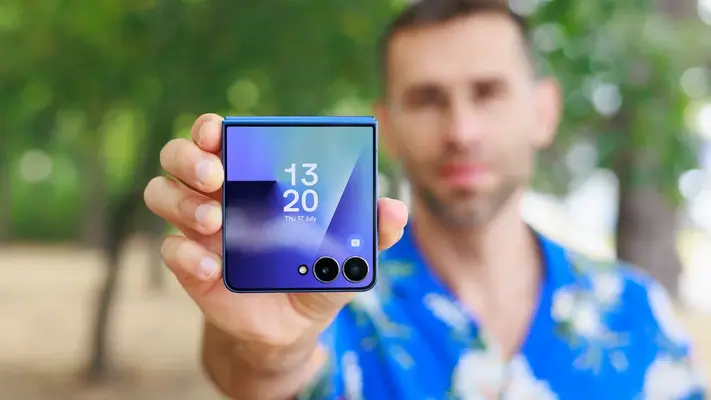
Shocking new whispers suggest Samsung’s next foldables could be dramatically lighter: a Galaxy Z Flip 8 at just 150 grams and a Galaxy Z Fold 8 at 200 grams. If true, that would reset expectations for pocketable foldables. But seasoned tipsters caution that 150g may be unrealistic for 2026, pointing instead to a still-impressive 180g target for the Flip 8. Here’s the rumor, the reality check, and what a meaningful weight drop would actually change for users.
What the rumor claims—and why it matters
A recent report from Korea claims Samsung is pushing aggressive weight targets for its 2026 foldables while also chasing better battery specs on the book-style model. In headline terms:
- Galaxy Z Flip 8: allegedly 150g
- Galaxy Z Fold 8: allegedly 200g
- Bonus claim: a bigger ~5,000 mAh battery rumored for the Fold
For context, current models are cited around 188g for the Flip 7 and 215g for the Fold 7. Going from 188g to 150g on the clamshell is a massive 38g cut—roughly a 20% reduction—without shrinking battery or build quality. That’s why this particular leak has grabbed attention and raised eyebrows in equal measure.
Credible skepticism: 180g is the likelier target
Respected leaker Ice Universe poured cold water on the 150g number, calling it inconsistent with other Korean reports that peg the Galaxy Z Flip 8 weight closer to 180g. A 180g Flip would still be a meaningful improvement—lighter than the current reference point—while staying technically feasible without extreme compromises. It’s also consistent with the incremental, multi-year way most OEMs trim mass: a few grams at a time through materials, hinge simplification, and denser batteries.
Where we are today: the baseline for Samsung’s foldables
To understand how bold the rumor is, start with the cited baselines:
- Galaxy Z Flip 7: ~188g
- Galaxy Z Fold 7: ~215g
Even shaving 8–15g is a solid engineering win. Doing 38g on the Flip is another level—and that’s before you add ambitions like thicker cover glass, larger cover screens, and higher-capacity batteries. In other words, the rumor implies a rethinking of materials and mechanics, not just a gentle diet.
How could Samsung cut that much weight?
Dropping mass on foldables is uniquely hard because you’re balancing two displays, hinge durability, battery capacity, and robust water resistance. Still, there are levers Samsung can pull:
1) Next-gen materials for the frame and chassis
- Magnesium alloys: lighter than aluminum with good stiffness; used strategically, they can shave grams without feeling flimsy.
- Titanium grades: stronger and stiffer per volume than aluminum, though it risks cost and machining complexity; often used in selective components rather than the entire frame.
- Carbon fiber or CFRP inserts: excellent strength-to-weight for internal reinforcement panels, but challenging for mass production and repairability.
2) Hinge simplification and miniaturization
- Fewer parts and smaller tolerances: each hinge revision typically trims a few grams, while improving dust pathways and friction consistency.
- Advanced lubricants/bearings: reduce the need for bulky support pieces, provided durability testing holds up.
3) Display stack optimization
- Thinner UTG (ultra-thin glass): may enable a lighter protective stack, though it must maintain crease control and drop resistance.
- Streamlined cover display modules: using thinner glass, tighter bezels, and integrated drivers to eliminate redundant brackets.
4) Battery packaging and density
- High-silicon or denser cells: maintain or increase capacity while slightly shrinking mass and volume.
- Optimized PCB and flex-cable layouts: lighten the structural housing needed to route components.
5) Camera and component consolidation
- Consolidated camera islands: a lighter module with fewer brackets can save a handful of grams.
- System-in-package (SiP) designs: combine chips and passives to reduce shielding and housing.
Individually, these wins add up to single-digit grams. In aggregate, they can deliver a weight class change across product generations—but 20% reductions are rare unless the entire product is re-architected.
Why weight matters on a flip or fold
For clamshells like the Galaxy Z Flip 8, weight influences real-world comfort and pocketability more than screen size or processor speed:
- One-handed use: every 10g matters for reach, selfies, and calls.
- Pocket comfort: flips are thicker but small; lower mass helps them disappear in pants or jacket pockets.
- Drop dynamics: lighter devices typically hit with less momentum, potentially reducing damage (though build quality still rules).
- Hinge feel: balance between top and bottom halves affects how premium the flip action feels.
For book-style devices like the Z Fold 8, weight impacts long reading sessions, gaming comfort, and fatigue when used open like a mini-tablet. A move to ~200g would make a Fold feel as manageable as many non-folding flagships—a milestone for mainstream adoption.
The plausibility check: 150g vs 180g Flip, 200g Fold
Let’s pressure-test the numbers:
- Flip 8 at 150g: would require 30–40g of savings from the current reference point. That’s huge without compromising battery capacity or durability. It implies a significant materials shift (e.g., extensive magnesium/titanium), aggressive hinge simplification, and possibly smaller or thinner displays. Doable in theory—but aggressive for a single generation.
- Flip 8 at ~180g: realistic and still meaningful. It suggests sensible trimming across the hinge, display stack, and camera island, plus a modest materials upgrade.
- Fold 8 at ~200g: plausible. A carefully engineered frame, lighter hinge, and slimmer bezels could hit that figure, especially if component consolidation offsets any battery gains. If the 5,000 mAh rumor is also true, achieving 200g becomes tougher but not impossible with smart materials.
What a 150g Flip would change for users
A 150g Galaxy Z Flip 8 would be the lightest mainstream clamshell by a comfortable margin, changing everyday use in subtle ways:
- Better ergonomics: less pinky strain and easier one-handed opening.
- Perceived elegance: a lighter flip feels more jewelry-like, which suits the Flip audience.
- Battery and durability trade-offs: the biggest question mark. If the battery stays the same, great; if not, you’ll feel it by late afternoon. Also, ultra-light frames must still meet Samsung’s durability and water-resistance standards.
Cost, durability, and repairability
Lighter often means pricier materials and tighter tolerances:
- Cost: titanium and magnesium can raise BOM costs; carbon fiber inserts aren’t cheap either.
- Repairability: more integrated, miniaturized assemblies may reduce modularity and drive up repair costs.
- Longevity: hinges must survive thousands of cycles; lighter does not automatically mean weaker, but it does underscore the need for rigorous testing.
Timing: what to watch before launch
With a typical mid-year (often July) window for Samsung’s foldables, the next few months will bring certification filings, supply-chain hints, and case/accessory leaks. Watch for:
- Battery certifications: cell IDs and rated capacities that corroborate any 5,000 mAh claims for Fold.
- Material clues: accessories or marketing that mention titanium, magnesium, or new hinges.
- Hands-on leaks: pre-launch photos often reveal thickness changes that correlate with mass.
Do you need a 150g clamshell phone?
Preferences vary. Some users prioritize all-day battery and camera versatility over every gram; others want the lightest, sleekest flip possible. Here’s a simple way to decide:
- Prioritize 150–180g: if you value pocket comfort, one-handed use, and fashion-forward design.
- Accept ~190g or more: if you need the biggest battery and most stable camera without compromise.
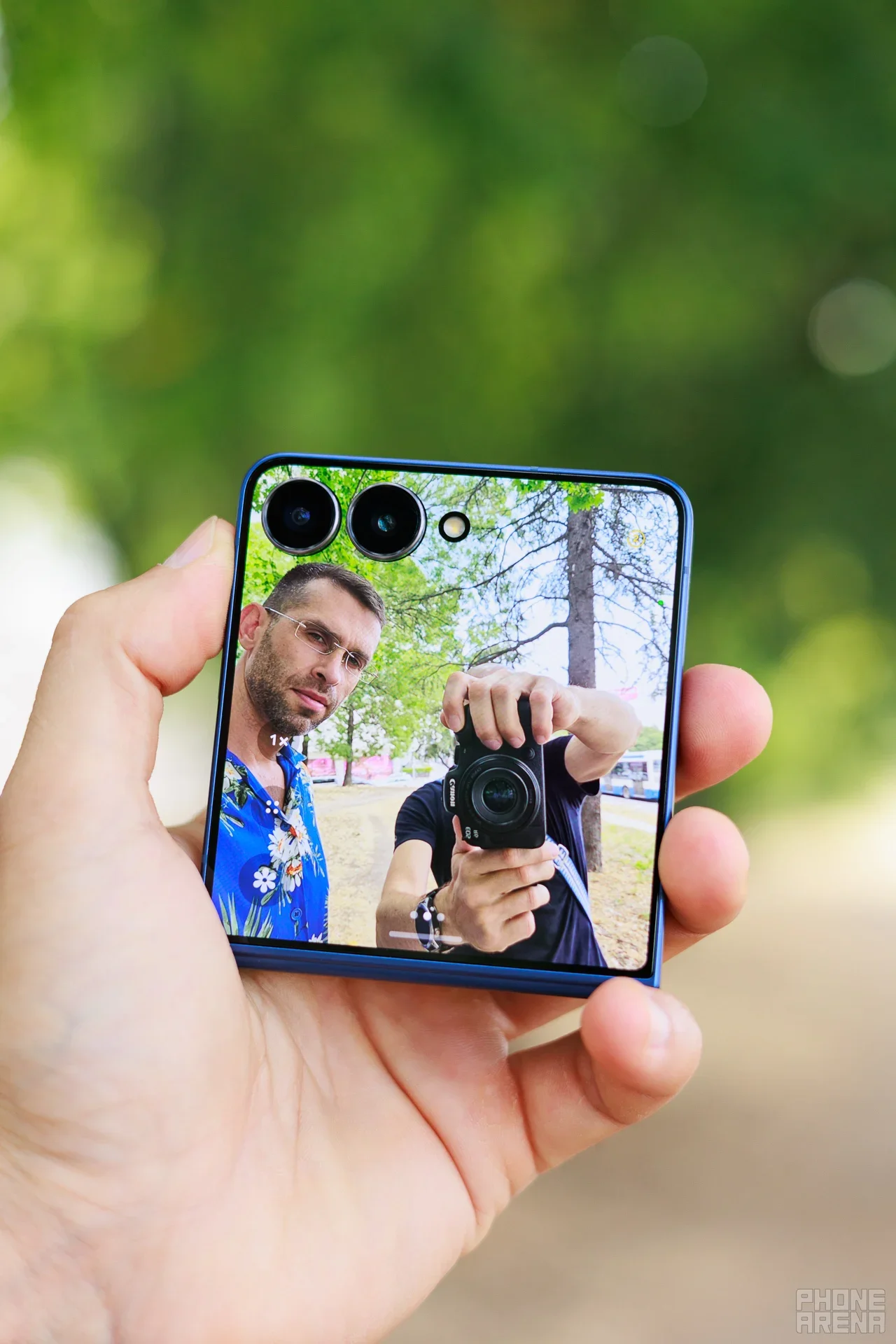
Ideal weights: where the sweet spot might land
For clamshells, anything under 200g already feels great; dropping to the 170–185g zone is the real sweet spot between comfort and confidence. For book-style, sub-220g feels balanced; around 200g would be a turning point where the device competes directly with standard flagships on hand feel.
Our take: hope for ambitious, expect achievable
Samsung has consistently polished its foldables with smarter hinges, tighter bezels, and better internal packaging. A dramatic weight cut would be a logical next frontier. But engineering reality favors iterative wins. If you’re watching the rumor mill:
- Flip 8 at 150g: inspiring, but unlikely this cycle.
- Flip 8 at ~180g: credible and still a notable upgrade.
- Fold 8 at ~200g: achievable with focused materials and hinge work, though any big battery increase complicates the target.
Bottom line
The rumor that “Galaxy Z Flip 8 is 150g and Z Fold 8 is 200g” is thrilling—but probably too optimistic for a single generation. A lighter Galaxy Z Flip 8 around 180g and a Galaxy Z Fold 8 around 200g would already be wins you can feel on day one. If Samsung can deliver those numbers while maintaining battery life and durability, it would mark a major step toward making foldables the default, not the niche.
FAQ
Is the Galaxy Z Flip 8 really going to weigh 150 grams?
Unconfirmed. One report says 150g, but other reliable voices suggest a more plausible ~180g. Until official specs arrive, treat 150g as aspirational.
What about the Galaxy Z Fold 8 at 200 grams?
Plausible, especially with material and hinge optimizations. If a bigger ~5,000 mAh battery is also planned, hitting exactly 200g becomes tougher but not impossible with the right materials mix.
How much lighter would that be versus current models?
Based on cited references: Flip 8 at 150g would be ~38g lighter than a ~188g Flip 7 (about 20%). Fold 8 at 200g would be ~15g lighter than a ~215g Fold 7.
Why is it hard to make foldables lighter?
They contain two screen assemblies, a complex hinge, robust frame reinforcement, and water-resistance barriers—each adds mass. Trimming grams without hurting durability or battery life takes significant engineering.
Will a lighter phone mean worse battery life?
Not necessarily. Denser cells and smarter packaging can maintain capacity while reducing mass. But extreme weight targets often force trade-offs, so watch for official battery specs.
When will Samsung reveal the Z Flip 8 and Z Fold 8?
Samsung typically unveils new foldables mid-year, often around July. Expect clearer leaks—battery certifications, accessories, and hands-on images—in the months leading up to launch.
What’s the ideal weight for a flip phone?
Under 200g already feels great. The sweet spot is around 170–185g for most users, balancing comfort, durability, and battery life.