
 English
 العربية

Finding the perfect rental location in Dubai comes down to matching your lifestyle, commute, and budget with the right community. With everything from buzzing waterfront districts to quiet suburban enclaves, the city has options for every renter. Use this guide to shortlist areas, weigh essential factors, and secure a rental that fits your life—not just your lease.
Understanding lifestyle and priorities
Dubai’s neighborhoods differ significantly in pace, vibe, and price. Start by clarifying what matters most for your daily routine and long-term comfort:
- City slicker or nature lover: Prefer high-energy, walkable zones with cafés and nightlife, or quiet green pockets with community parks? Urban hubs like Downtown and Dubai Marina deliver the buzz; suburban-style communities such as Jumeirah Village Circle (JVC) and Arabian Ranches promise calmer streets and more space.
- Family-first features: If you’re moving with children, look for areas with reputable schools, nurseries, clinics, playgrounds, and community centers. Neighborhoods like Mirdif and Dubai Silicon Oasis are popular for their family-friendly vibe and practical amenities.
- Work–life balance: Commute time adds up. Map your office location and the closest metro or highway access. Living closer to work or near a well-connected station can reduce stress and save hours each week.
- Budget clarity: Rents vary widely by district, building age, and amenity set. Waterfront hotspots such as Jumeirah Beach Residence (JBR) or Palm Jumeirah command premium prices, while communities like International City and Discovery Gardens are typically more budget-friendly.
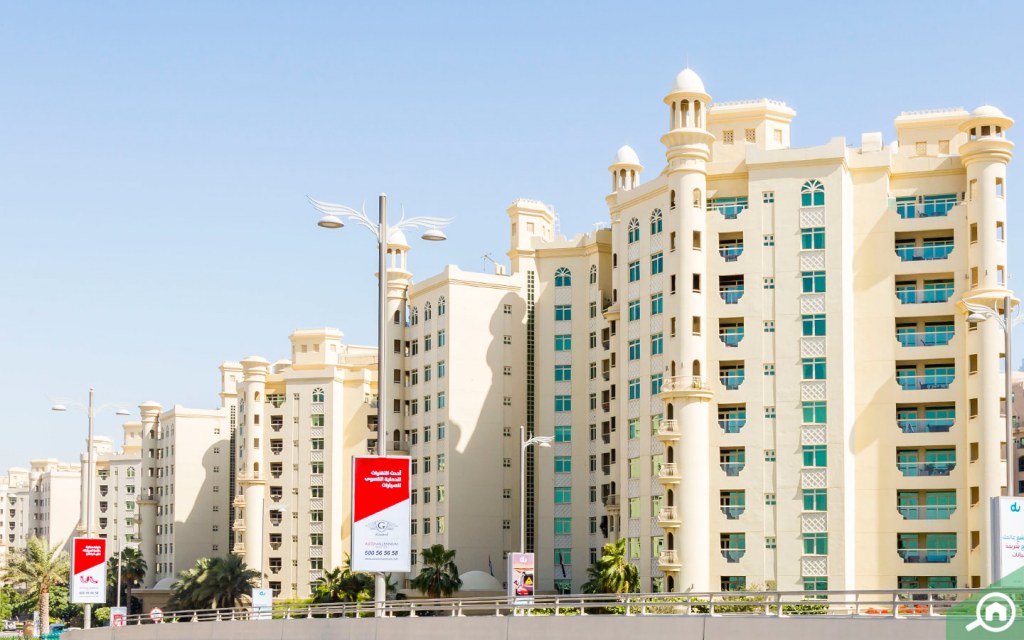
Once you’ve ranked your priorities—city vs. suburb, family needs, commute time, and budget—you can focus on communities that truly fit your life.
List of top affordable rental areas in Dubai
Below are well-known, value-oriented communities to consider. They offer competitive rents alongside access to transport, shops, and everyday services.
International City
International City is one of Dubai’s most budget-friendly addresses, offering studios through 2-bed apartments across themed clusters. It’s popular with first-time Dubai renters and cost-conscious residents who want essential amenities and straightforward access to major roads. Retail (including large-format markets), clinics, and everyday services are nearby, making daily life convenient.

Deira
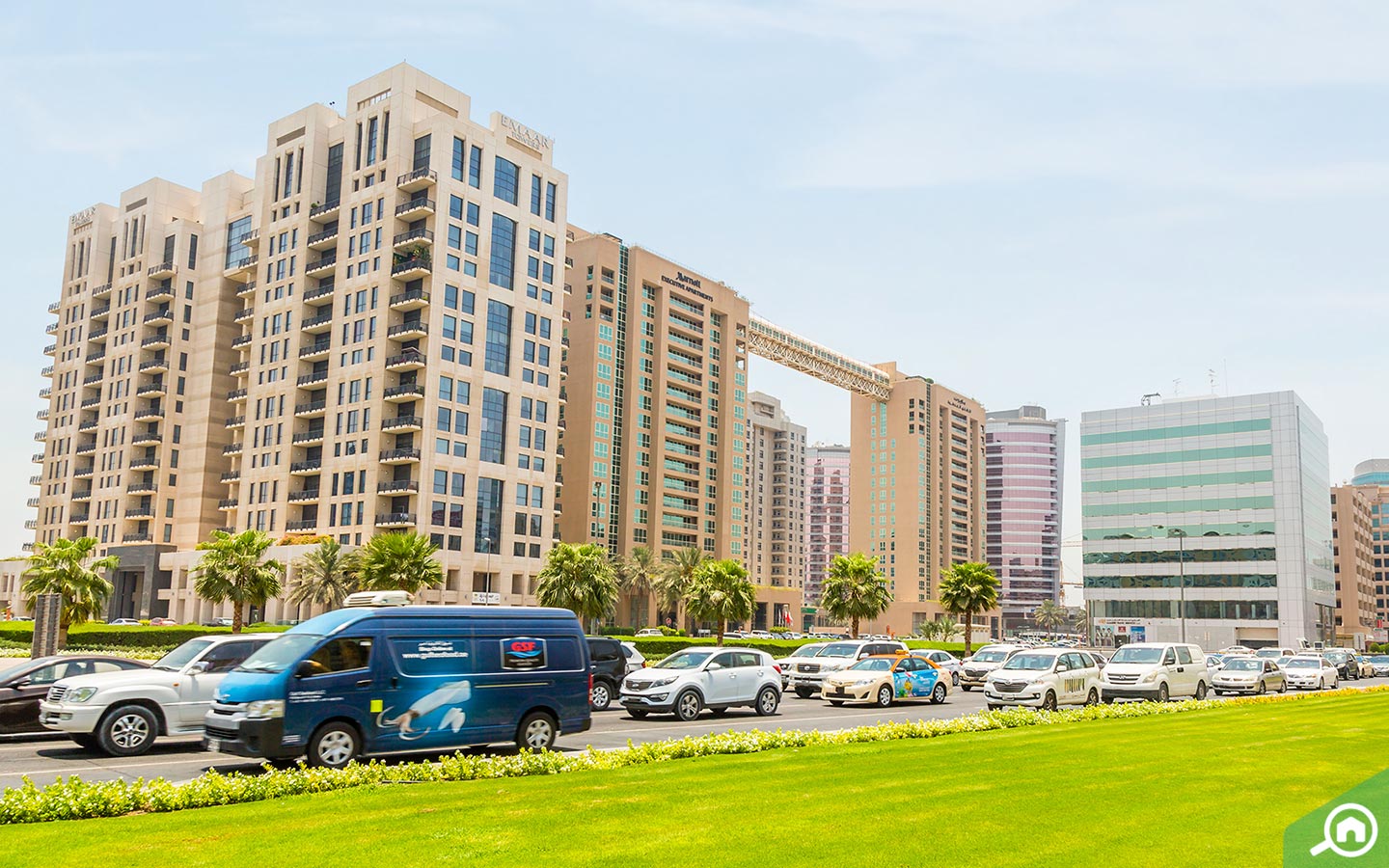
Deira blends old Dubai charm with solid city-center convenience. Expect a wide mix of building types, from older low-rise blocks to renovated towers, and a range of unit sizes suitable for singles and families. Public transport coverage is strong, and you’ll find schools, offices, traditional markets, and restaurants within easy reach. For renters who want central living without waterfront premiums, Deira is a practical, well-connected choice.
Al Nahda
Located near the Dubai–Sharjah border, Al Nahda is known for spacious apartments, competitive pricing, and strong transport links. The area offers a calm, family-oriented environment with schools, clinics, and supermarkets spread across the neighborhood. It’s a reliable pick for long-term renters who value everyday convenience and easy access to both emirates.
Discovery Gardens
Discovery Gardens features low-rise buildings set among themed garden clusters. Apartments are generally roomy for their price point, and the neighborhood’s proximity to Ibn Battuta Mall, the Dubai Metro Red Line, and Sheikh Zayed Road makes cross-city commutes straightforward. Expect a pleasant suburban ambiance with greenery and walking paths.

Dubai Silicon Oasis
Dubai Silicon Oasis (DSO) is a master-planned, self-contained community that mixes residential buildings with offices, schools, and retail. It’s especially popular with families and professionals who want a quiet environment, competitive rents, and the convenience of having daily needs close by. If you work in or around the tech and business parks within DSO, living here can also cut down commute time.
Other wallet-friendly picks
- Jumeirah Village Circle (JVC)
- Al Qusais
- Muhaisnah
- Al Barsha South
- Liwan
Tip: When comparing communities, check building age, finishing quality, and AC type (chiller vs. split-unit), as these can affect both comfort and monthly costs.
Rental reality: essential tips and factors to consider
Shortlist ready? Use these practical checks to choose wisely and avoid surprises.
1) Contracts, renewals, and legal basics
- Lease length: Most tenancy contracts run for 12 months with renewal options. Confirm notice periods and renewal terms in writing.
- What your contract should include: Start and end dates, rent amount and payment schedule (number of cheques), maintenance obligations, pet policy, and any chiller or parking terms.
- Ejari registration: In Dubai, tenancies are registered on the Ejari system. Registration is typically required to activate utilities and internet and to formalize your legal rights as a tenant.
- Rent increases: Renewals are generally guided by Dubai’s rent index. Check your eligibility for a rent change against the official index before negotiating.
2) Upfront and monthly costs (budget realistically)
- Security deposit: Commonly a percentage of annual rent and higher for furnished vs. unfurnished homes.
- Agency fee: Often a percentage of annual rent or a fixed amount; clarify VAT and payment timing.
- Utilities and setup: Factor in deposits and activation charges for electricity/water, cooling (chiller, if applicable), internet, and building access cards.
- Parking and amenities: Check for included vs. paid parking, gym/pool fees, and community charges that may be passed to tenants.
- Moving and furnishing: Include movers, cleaning, curtains/blinds, and appliance purchases if renting unfurnished.
3) Commute and connectivity
- Metro, tram, and bus: Proximity to stations can transform daily routines and widen your job/education options.
- Highway access: If you drive, test peak-hour routes to your frequent destinations (work, schools, favorite malls).
- Noise vs. convenience: Homes near major roads and stations are convenient but may be noisier. Higher floors and double-glazed windows help.
4) Building quality, cooling, and maintenance
- Age and upkeep: Inspect common areas (lobby, corridors, gym) for signs of good maintenance.
- Cooling system: Understand if you’ll pay a fixed chiller fee, metered cooling, or individual split-unit electricity—this can materially affect bills.
- Water pressure and appliances: Test taps, check for water heater age and service records, and note any included white goods.
- Maintenance response: Clarify what the landlord covers vs. you, response timelines, and whether there’s an on-site/FM helpdesk.
5) Lifestyle and community fit
- Amenities you’ll use: Supermarkets, clinics, parks, gyms, pet areas, and dining—what’s within 10–15 minutes on foot or by car?
- Family and schooling: If relevant, check school start/end times against traffic flows and your work schedule.
- Safety and comfort: Dubai is generally safe, but features like CCTV, controlled access, well-lit walkways, and active community management can elevate peace of mind.
6) Viewing and due diligence checklist
- Visit at different times (day/night, weekday/weekend) to gauge noise, parking availability, and traffic patterns.
- Compare multiple buildings in the same area to understand value and finishing differences.
- Photograph existing wear and tear before move-in and attach to the handover checklist.
- Get every verbal promise documented and included in the signed contract addendum.
7) Negotiation tips
- Ask for flexibility on cheques, minor upgrades (fresh paint, deep clean), or small rent adjustments—especially if you can move quickly.
- Point out comparable listings and highlight your strengths as a tenant (stable employment, good references).
- Consider a longer lease term or earlier move-in date to unlock better terms.
FAQs about the best places to rent in Dubai
Which communities are best for families?
Popular family-friendly areas include Mirdif, Dubai Silicon Oasis, Arabian Ranches (and Ranches 2), Town Square, Jumeirah Village Circle, and Al Barsha. They offer schools, parks, clinics, and a calmer residential feel.
Where can I find more affordable rentals?
Value-focused neighborhoods include International City, Discovery Gardens, Al Nahda, Al Qusais, Liwan, Muhaisnah, Dubai South, and DAMAC Hills 2. Compare building age, layout size, and AC type to refine your budget.
What documents do I need to rent?
Typically: passport copy, residence visa and Emirates ID (or application/entry permit if applicable), proof of income (salary certificate or payslips), and post-dated cheques. Landlords/agents may request additional documents based on their policy.
What is Ejari and why is it important?
Ejari is Dubai’s official tenancy registration system. A valid Ejari is often required to activate utilities and internet and helps protect both landlord and tenant rights by formalizing the lease.
How much should I budget upfront?
Plan for a security deposit (often higher for furnished homes), agency fee (if applicable), Ejari registration, utility deposits/activation, any chiller deposit, and moving/furnishing costs. Exact amounts vary by home type and provider.
How are rent payments structured?
Many landlords accept multiple cheques (e.g., 4–12) across the year, while some prefer fewer cheques in exchange for a slightly lower annual rent. Confirm payment schedule and due dates in your contract.
Can I negotiate rent or lease terms?
Yes. You can request a modest rent reduction, more cheques, minor repairs/upgrades, or an early move-in. For renewals, refer to Dubai’s rent index guidance when discussing adjustments.