
 English
 العربية
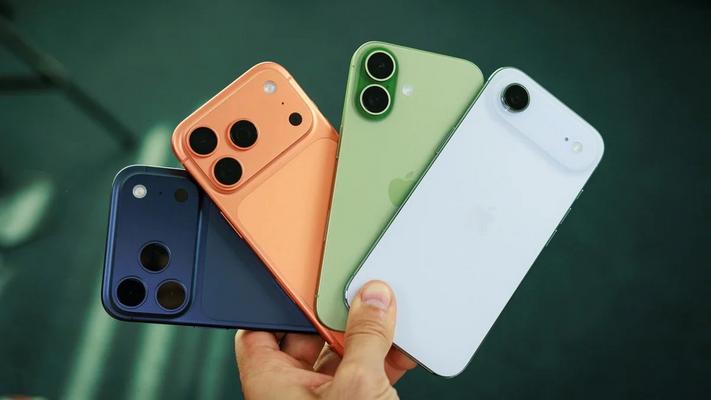
The iPhone 18 and iPhone Air 2 display specifications have reportedly leaked, confirming long-standing rumors about Apple's next-generation smartphone lineup. According to new reports, both device families have entered the sample production stage, with the Pro models set to ditch Dynamic Island in favor of a punch-hole design powered by under-display Face ID sensors. This marks one of the most significant display changes in iPhone history since the introduction of the notch.
iPhone 18 and iPhone Air 2 Display Specifications Revealed
The latest leak provides detailed specifications for the upcoming iPhone 18 series and the second-generation iPhone Air. These details paint a picture of Apple's display strategy for the next cycle of iPhones, showing both continuity and dramatic change depending on which model you're considering.
iPhone 18 Base Model Display
According to translated reports, the base iPhone 18 will feature:
- 6.27-inch display size
- 120 Hz refresh rate
- LTPO technology for adaptive refresh rates
- Dynamic Island retained
The standard iPhone 18 appears to be an incremental upgrade in terms of display technology, maintaining the familiar Dynamic Island that debuted with the iPhone 14 Pro series. The 120 Hz LTPO display ensures smooth scrolling and improved battery efficiency through variable refresh rate technology.
iPhone Air 2 Display Details
The iPhone Air 2, Apple's ultra-thin smartphone successor, will reportedly come with:
- 6.55-inch display
- 120 Hz refresh rate
- LTPO panel technology
- Dynamic Island design
This larger display size compared to the base iPhone 18 suggests Apple is positioning the iPhone Air 2 as a device for users who want a bigger screen without stepping up to Pro-level pricing. The inclusion of 120 Hz LTPO technology across both non-Pro models represents a significant democratization of premium display features.
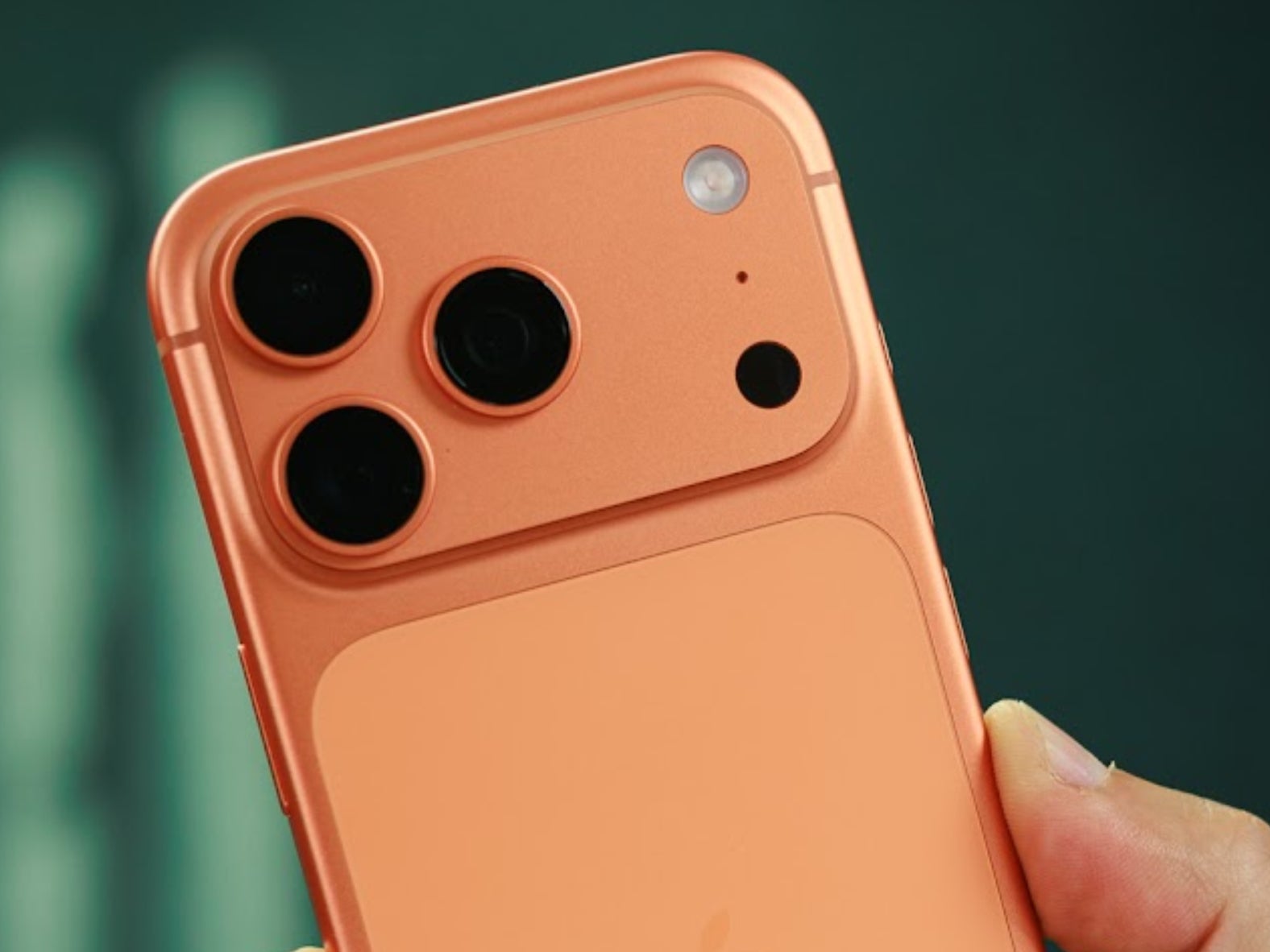
The iPhone 18 Pro will look mostly similar to the iPhone 17 Pro. | Image credit — PhoneArena
iPhone 18 Pro Ditches Dynamic Island for Punch Hole Design
The most exciting news from this leak concerns the iPhone 18 Pro models. According to the report, Apple is finally ready to move past Dynamic Island on its flagship devices, embracing a cleaner punch-hole camera design instead.
iPhone 18 Pro Specifications
- 6.27-inch 120 Hz LTPO display
- No Dynamic Island
- Under-display Face ID sensors
- Traditional punch-hole front camera
iPhone 18 Pro Max Specifications
- 6.86-inch 120 Hz LTPO display
- No Dynamic Island
- Under-display Face ID sensors
- Punch-hole camera cutout
This represents a major shift in iPhone design philosophy. The Dynamic Island, while innovative in turning a hardware limitation into a software feature, still occupies valuable screen real estate. By moving Face ID components beneath the display, Apple can offer users more usable screen space while maintaining the security features they've come to expect.
Understanding the Technology Behind Under-Display Face ID
The transition from Dynamic Island to a punch-hole design requires sophisticated engineering. Apple's Face ID system uses multiple sensors including an infrared camera, flood illuminator, and dot projector to create a detailed 3D map of the user's face. Moving these components under the display while maintaining accuracy and speed is no small feat.
Under-display sensor technology has been advancing rapidly in the smartphone industry. Several Android manufacturers have experimented with under-display cameras with mixed results. Apple's approach appears more conservative, keeping the front-facing camera as a traditional cutout while only moving the Face ID sensors beneath the screen.
Benefits of Under-Display Face ID
- More screen real estate for content consumption
- Cleaner, more symmetrical design aesthetic
- Reduced visual distraction from the notch area
- Better immersion for video and gaming
Potential Challenges
- Maintaining Face ID accuracy through display layers
- Ensuring reliable performance in various lighting conditions
- Managing heat dissipation from sensors beneath the screen
- Keeping the technology cost-effective for mass production
The Road to iPhone 20 Pro: Apple's Long-Term Display Vision
This leak gains additional significance when viewed as part of Apple's broader roadmap. Multiple previous reports have suggested that the iPhone 18 Pro's under-display Face ID is a stepping stone toward an even more ambitious goal: the iPhone 20 Pro.
Scheduled for 2027 to celebrate the 20th anniversary of the original iPhone, the iPhone 20 Pro is rumored to feature a truly edge-to-edge display with no notches, punch holes, or any visible cutouts whatsoever. This would require placing both the Face ID sensors and the front camera beneath the display.
By introducing under-display Face ID on the iPhone 18 Pro in 2025 or 2026, Apple gives itself time to refine the technology before the flagship iPhone 20 Pro launch. It also allows the company to gauge user reaction and work out any issues with the first-generation implementation.
Dynamic Island vs Punch Hole: Which Is Better?
The transition away from Dynamic Island on Pro models raises an interesting question about user preference. Dynamic Island transformed what was essentially wasted space around the camera and sensors into an interactive feature that displays notifications, controls music playback, and provides quick access to ongoing activities.
Arguments for the Punch Hole Design
- Less screen obstruction overall
- Cleaner aesthetic that blends into dark content
- More space for status bar information
- Familiar design language used across the industry
Arguments for Dynamic Island
- Turns dead space into functional real estate
- Unique Apple feature that differentiates iPhones
- Provides useful at-a-glance information
- Integrates seamlessly with iOS software features
User polls suggest a preference for the punch-hole design, with approximately 78% of respondents preferring less wasted screen space over Dynamic Island's functionality. However, a significant minority (about 22%) appreciate Dynamic Island's design and features.
What This Means for iPhone Buyers
If these leaks prove accurate, iPhone buyers will face interesting choices in the next upgrade cycle. Those who prefer a more traditional smartphone experience with maximum screen utilization will want to consider the iPhone 18 Pro or Pro Max. Users who appreciate Dynamic Island's unique features may actually prefer the standard iPhone 18 or iPhone Air 2.
The pricing implications are also worth considering. Historically, Apple's Pro models command a premium, but users specifically seeking Dynamic Island functionality may find themselves choosing non-Pro options for the first time.
Sample Production Stage: What It Means for Release Timeline
The report mentions that both the iPhone 18 lineup and iPhone Air 2 have entered sample production. In Apple's product development cycle, sample production typically occurs 12-18 months before the consumer launch. This suggests the devices are on track for their expected release windows.
Sample production allows Apple to test manufacturing processes, validate component quality, and make final adjustments before mass production begins. It's a critical phase that helps identify potential issues early, reducing the risk of delays or quality problems at launch.
LTPO Technology: Why It Matters
All the leaked iPhone 18 and iPhone Air 2 models feature LTPO (Low-Temperature Polycrystalline Oxide) display technology. This allows the display to dynamically adjust its refresh rate from as low as 1 Hz up to 120 Hz based on the content being displayed.
When viewing static content like reading an article, the display drops to a lower refresh rate to conserve battery. When scrolling or playing games, it ramps up to 120 Hz for smooth visuals. This adaptive approach provides the best of both worlds: premium smoothness when needed and excellent battery life throughout the day.
How These Phones Compare to Current Models
Comparing the leaked specifications to current iPhone models reveals meaningful upgrades:
- Display Size: The iPhone 18 Pro Max at 6.86 inches would be slightly larger than the current Pro Max
- Refresh Rate: 120 Hz LTPO across all models (currently limited to Pro versions)
- Face ID: Under-display implementation on Pro models is completely new
- Design: Punch-hole replacing Dynamic Island represents the biggest visual change since iPhone X
Frequently Asked Questions
When will the iPhone 18 be released?
Based on Apple's typical release schedule and the current sample production stage, the iPhone 18 series is expected to launch in fall 2025 or 2026, following the company's annual iPhone release pattern.
Will the iPhone 18 have under-display Face ID?
According to the latest leaks, only the iPhone 18 Pro and iPhone 18 Pro Max will feature under-display Face ID technology. The standard iPhone 18 and iPhone Air 2 will retain the Dynamic Island design.
What size display will the iPhone Air 2 have?
The iPhone Air 2 is reportedly coming with a 6.55-inch 120 Hz LTPO display, making it larger than the base iPhone 18's 6.27-inch screen but smaller than the Pro Max.
Is Apple getting rid of Dynamic Island completely?
No, Dynamic Island will remain on the base iPhone 18 and iPhone Air 2. Only the Pro models are transitioning to a punch-hole design with under-display Face ID sensors.
What is the difference between punch hole and Dynamic Island?
Dynamic Island is a pill-shaped cutout that houses both the camera and Face ID sensors, featuring interactive software elements. A punch hole is a smaller circular cutout for just the camera, with Face ID sensors hidden beneath the display.
Will all iPhone 18 models have 120 Hz displays?
Yes, according to the leaked specifications, all iPhone 18 models and the iPhone Air 2 will feature 120 Hz LTPO displays, bringing this premium feature to Apple's entire smartphone lineup.
What will the iPhone 20 Pro look like?
Reports suggest the iPhone 20 Pro, expected in 2027 for the iPhone's 20th anniversary, will feature a completely seamless display with no notches, punch holes, or cutouts, as both Face ID sensors and the front camera will be placed under the display.