 English
 العربية
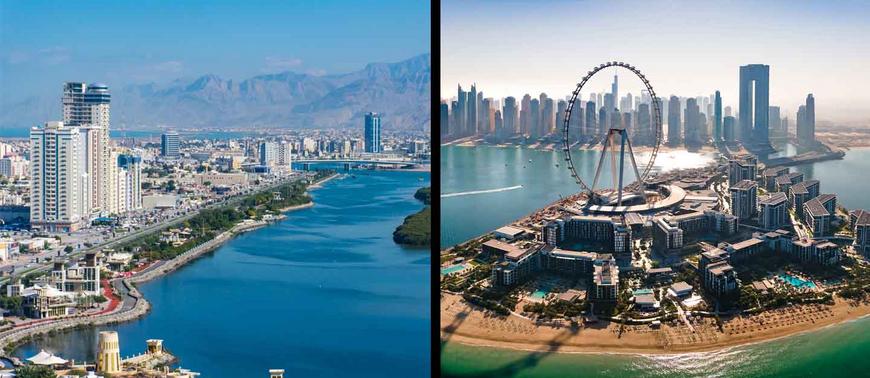
Living in Ras Al Khaimah (RAK) while working in Dubai is a lifestyle choice that blends big-city opportunity with resort-style living. Expect calmer neighborhoods, lower housing costs, and easy access to nature—balanced by a commute of roughly 75–100 minutes each way, depending on your destination and timing. If you value space, savings, and a slower pace without sacrificing your Dubai career, this arrangement can make real sense.
Ras Al Khaimah – UAE’s Next Premiere Destination
Ras Al Khaimah, the northernmost emirate of the UAE, has been quietly transforming into a premium destination for both residents and tourists. It combines natural wonders—mountains, beaches, mangroves, and desert—with modern communities, leisure attractions, and an expanding hospitality scene. New residential developments, beachside neighborhoods, and family-ready communities are helping the emirate redefine luxury living at more attainable prices.
For many professionals, the equation is simple: keep your Dubai job and income, move to RAK to reduce monthly expenses and upgrade your quality of life. With a stable outlook and a growing infrastructure, RAK offers an appealing middle ground between affordability and aspiration.
Top Reasons Why People Prefer to Live in Ras Al Khaimah and Work in Dubai
RAK is roughly 110–130 km from central Dubai depending on your starting point, with a typical door-to-door drive of about 75–100 minutes at off-peak times. That’s longer than commuting from Sharjah or Ajman, but thousands make it work thanks to meaningful lifestyle and financial upsides. Why? Let’s look at the big advantages.
1) Affordable Luxury
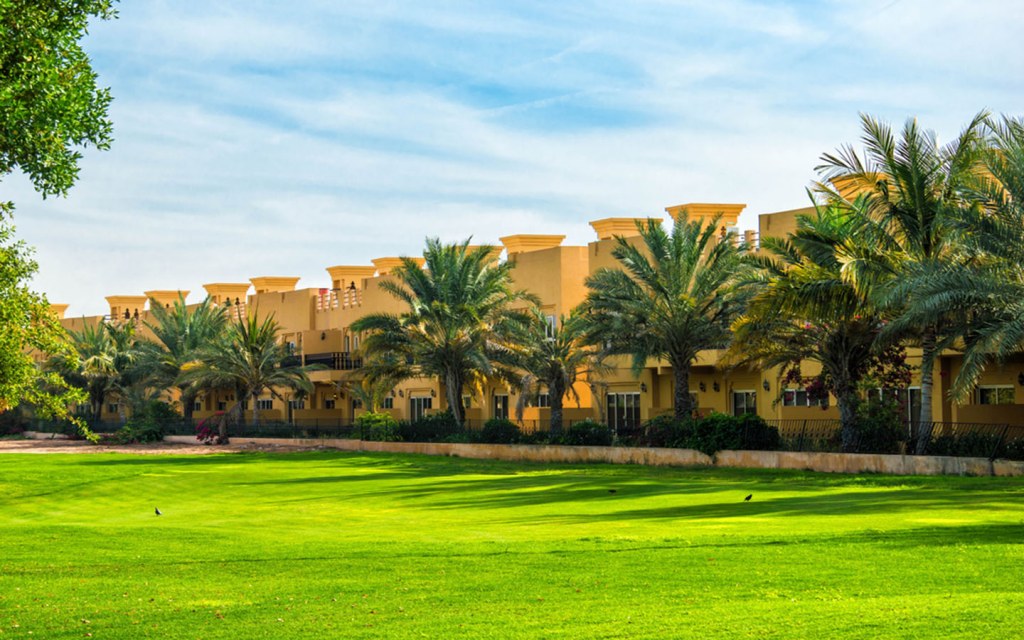
Housing is where RAK shines. Beach-view apartments, contemporary townhouses, and spacious villas are widely available at prices that would be hard to find in comparable Dubai neighborhoods. In many cases, renters and buyers discover they can afford an extra bedroom, a sea view, or even a private garden within the same budget they’d allocate to a much smaller Dubai property.
Examples to illustrate the difference (estimates only):
- Sea-view 1-bedroom apartments in RAK can start from the lower AED 20k–30k bracket annually, depending on building and location.
- Family villas in established communities often rent for the price of a studio or compact 1-bedroom in popular Dubai districts.
- For buyers, entry prices for townhouses and villas are often significantly lower than comparable Dubai properties, letting first-time owners step into larger homes sooner.
Two of the most popular areas for residents who work in Dubai are Al Hamra Village and Al Marjan Island. Both offer resort-style living, waterfront promenades, and a community feel—without the premium price tag you’d expect in the bigger emirates.
2) Lower Cost of Living
Beyond rent, day-to-day expenses in RAK are typically gentler on the wallet. Utilities, groceries, and leisure can feel more manageable—especially if you choose a community with amenities built in. While your personal costs will vary, many households report meaningful monthly savings versus a similar lifestyle in Dubai.
Where you’ll likely save the most:
- Housing: Lower rents and purchase prices, particularly for waterfront or larger homes.
- Space: You can afford more square footage—handy for families, home offices, and hobbies.
- Leisure: Beaches, outdoor spaces, and mountain escapes are often free or low-cost.
3) Quiet, Relaxed Community Life
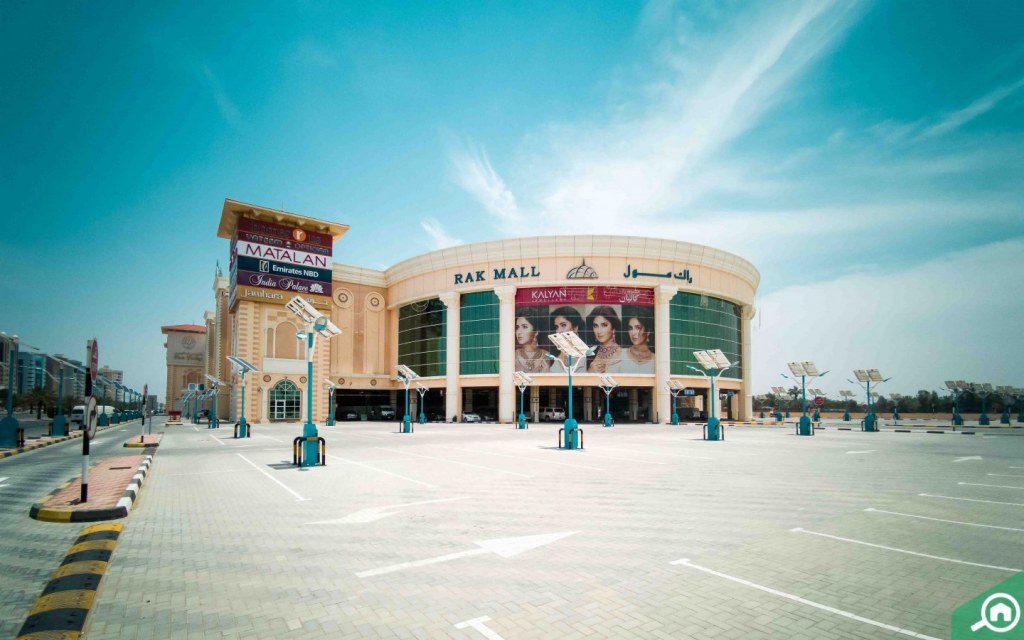
RAK’s vibe is calmer than Dubai’s, with open roads, fewer traffic bottlenecks, and ready access to nature. For many, that translates into lower stress after work and on weekends. The emirate’s neighborhoods are compact and connected, so essential services—groceries, clinics, cafes, gyms, salons—are generally within a short drive.
4) Family-Friendly Through and Through
Parents often choose RAK for the community feel and the extra space. You’ll find a selection of nurseries and schools, plenty of parks and playgrounds, beach access, and year-round activities for kids. Larger homes at lower prices make it easier to host family, create play areas, or set up a dedicated study space.
It’s common for families of four to upgrade from a compact city flat to a comfortable townhouse or villa in RAK without stretching the budget. That extra breathing room can be a game-changer for daily life.

5) A Playground for Adventure Lovers
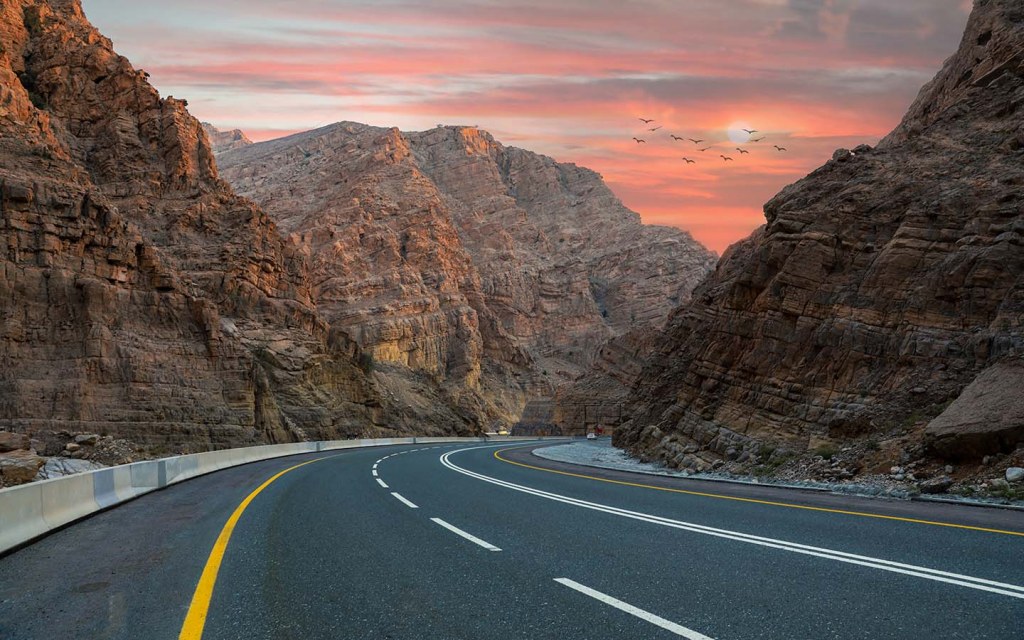
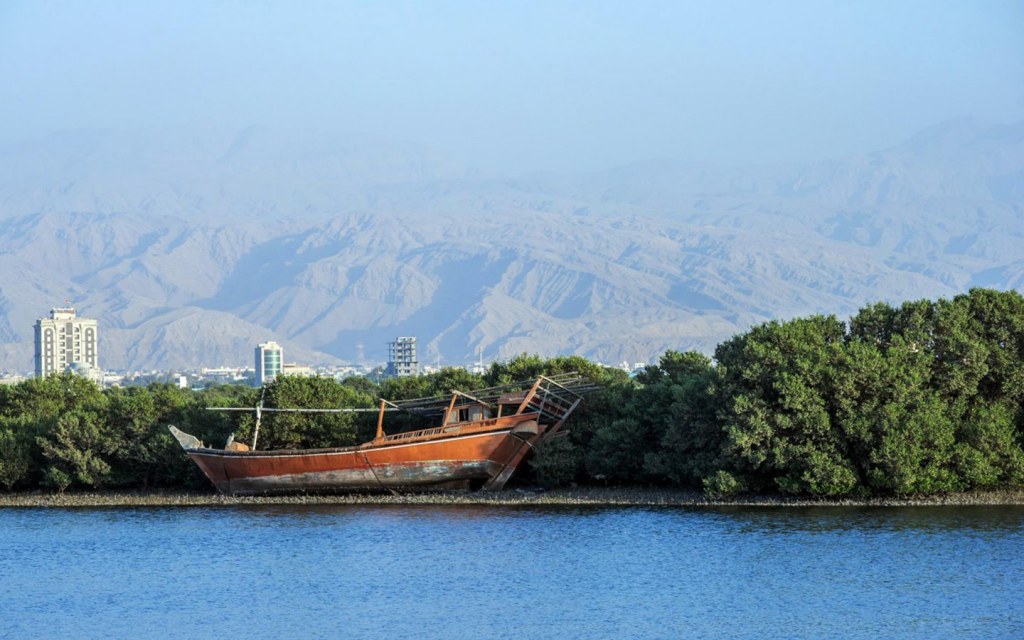
RAK blends desert, mountains, beaches, and mangroves in one emirate. That means your weekends can swing from paddleboarding and kitesurfing to mountain hikes and stargazing. Jebel Jais, the UAE’s highest peak, is a short drive away for sunrise viewpoints, scenic drives, and famous zipline thrills.
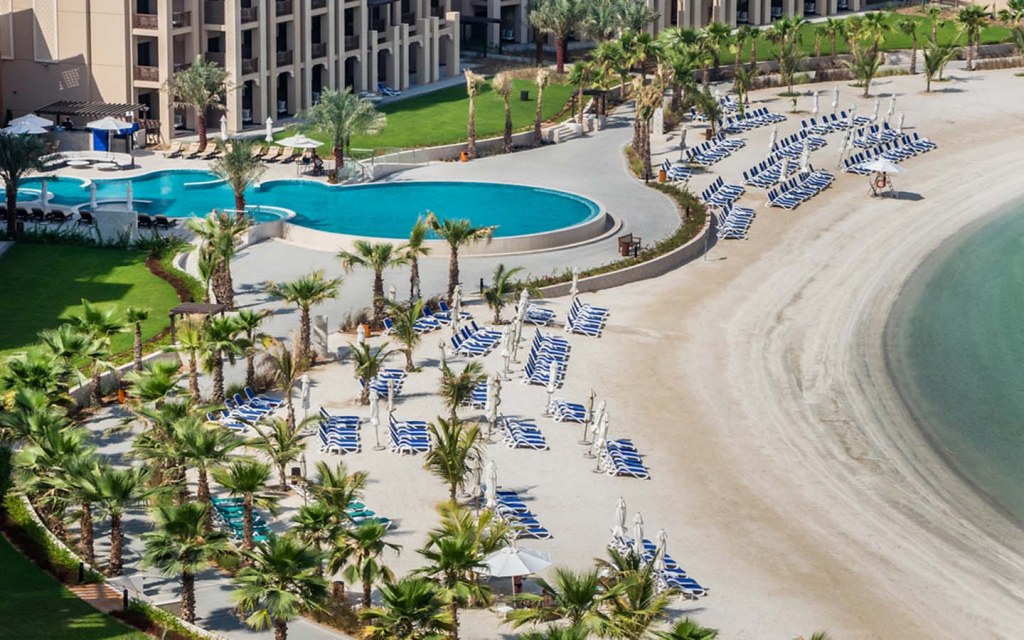
Whether you’re a casual explorer or a seasoned adrenaline-seeker, RAK delivers variety and value—with plenty that’s family-friendly, pet-friendly, and budget-friendly.
6) Commuting to Dubai from Ras Al Khaimah
On most weekdays, the commute to Dubai takes about 75–100 minutes by car, depending on your departure time and final destination (Dubai Marina vs. Business Bay, for instance). Expect longer journeys in peak traffic and shorter ones if you leave early or work flexible hours. Many residents choose routes via E611 or E311 based on traffic conditions.

Commuting options:
- Driving: Most common and the fastest door-to-door. You’ll likely pass Dubai toll gates (Salik), typically AED 4 per gate. Frequency depends on your route; budget accordingly.
- Intercity bus: Public buses connect RAK and Dubai on set schedules. It’s cheaper than driving but less flexible and can be time-consuming end-to-end.
- Carpooling: A popular middle ground. Share fuel and Salik costs with colleagues or neighbors on similar schedules.
- Hybrid/remote schedules: If your company allows remote days, you can cut weekly commute hours and costs significantly.
What does it cost to commute? A rough example for a typical petrol sedan: If your round trip is about 160 km and you commute 22 workdays a month, that’s roughly 3,500+ km monthly. At 8L/100 km, fuel use is around 280 liters. Assuming an average petrol price near AED 3 per liter, that’s about AED 840 in fuel. Add tolls (say AED 8–16 per workday, or AED 176–352 per month) plus routine maintenance. Your total might range roughly AED 1,100–1,400+ monthly. These are estimates; your actual number will vary by route, vehicle, and driving style.
Tips to make it easier:
- Leave early or travel after the peak to save 15–25 minutes each way.
- Use real-time navigation to choose between E311 and E611.
- Plan car maintenance proactively—tires and brakes handle long highway runs.
- Batch errands and gym stops near work or home to optimize time.
- Try audiobooks, podcasts, or language lessons to make the drive feel productive.
Should you work in Dubai and live in Ras Al Khaimah?
If your priorities include a calmer lifestyle, beachfront living, and more square footage for less money, living in RAK while working in Dubai is compelling. The commute is the trade-off—but for many, monthly savings and a meaningful upgrade in quality of life outweigh the drive, especially with hybrid schedules or carpooling.
Who this setup suits best:
- Families wanting more bedrooms, outdoor space, and proximity to beaches.
- Professionals who can work hybrid or flexible hours to dodge peak traffic.
- Nature lovers and wellness-focused residents who value quiet and open skies.
- First-time buyers looking for entry-level prices in master-planned communities.
Bottom line: if you’re willing to commute strategically, you can capture Dubai’s career upside and RAK’s livability—often with substantial annual savings to show for it.
FAQs about living in RAK and working in Dubai
Is it legal to live in Ras Al Khaimah and work in Dubai?
Yes. Many UAE residents live in one emirate and work in another. Just ensure your visa and tenancy documentation are in order and keep your employer informed of your address for HR and transit purposes.
How long is the daily commute from RAK to Dubai?
Typically 75–100 minutes each way by car in normal conditions. Travel times extend in peak traffic and shrink during off-peak hours or with flexible schedules.
What are the best areas in RAK for Dubai commuters?
Waterfront and community-centered districts such as Al Hamra Village and Al Marjan Island are popular for their amenities, open spaces, and quick access to highways. Look for neighborhoods with easy entry to E611 or E311.
Is rent cheaper in RAK than in Dubai?
Generally, yes. RAK often offers more square footage for the same budget, with options ranging from sea-view apartments to spacious villas at prices that are typically lower than comparable Dubai locations.
How much will I spend on fuel and tolls if I drive?
It varies by route, vehicle, and driving style. As a rough guide, many drivers report around AED 1,100–1,400+ per month combining fuel, tolls, and wear-and-tear for a standard weekday commute. Your numbers may be higher or lower.
Are there good schools and healthcare in RAK?
Yes. RAK has a growing selection of nurseries, schools, clinics, and hospitals. Check curricula, accreditations, and locations to match your family’s needs, and factor school runs into your commute plan.
Who should avoid this setup?
If you require daily on-site presence during strict peak hours, dislike long drives, or frequently attend late-evening events in Dubai, the commute may feel too demanding. Consider negotiating hybrid work, relocating closer to your office, or trialing the commute before signing a long lease.