 English
 العربية

Moving to Dubai from Australia is exciting, but it can feel complex without a plan. This guide explains the visa pathways, documents to prepare, where to live, how to navigate healthcare and schools, and daily-life essentials like transport and costs. Use the checklists and tips below to make your move smooth and stress-free.
- Types of Visa
- Documentation
- Accommodation
- Living in Dubai
- Getting Around
- Lifestyle and Entertainment
- Other Useful Tips
- FAQs
Are you planning to move to Dubai from Australia? From picking the right visa to choosing a neighbourhood and setting up utilities, there’s plenty to organise. Here’s your practical, plain-English checklist to relocate with confidence.
Types of Visas for Australians Moving to Dubai
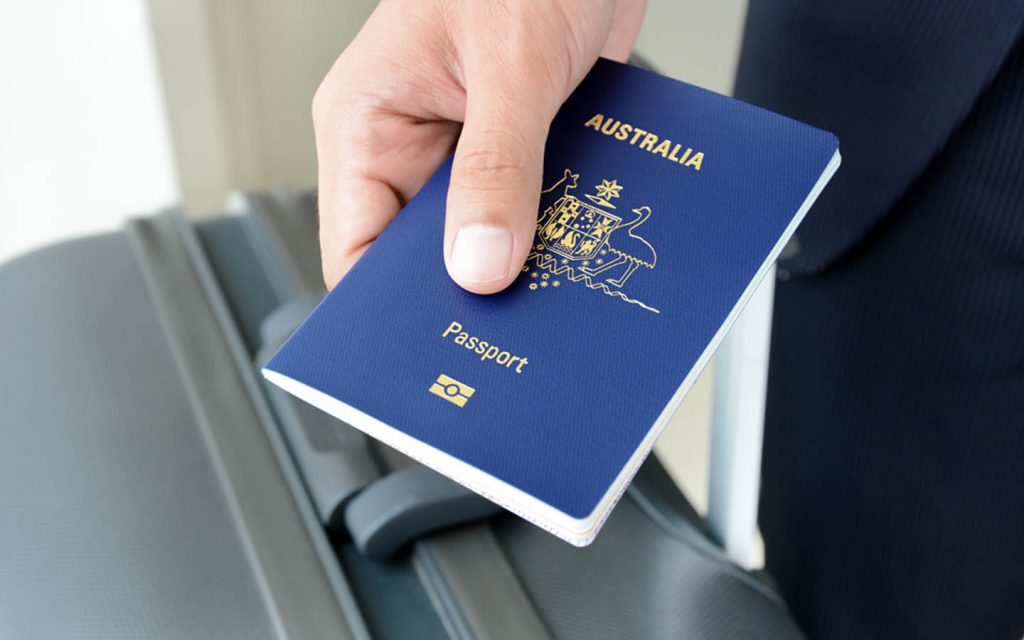
Australians can visit on a 30-day visa on arrival for tourism, but staying long-term requires a residence visa tied to work, study, investment, family sponsorship or self-employment. Below are the common options and what they’re best for.
- Employment (Work) Visa
- Issued when a Dubai-registered employer hires you. The company typically handles your work permit, entry permit, medical screening, Emirates ID and residency stamping.
- Great if you’ve secured a job offer before arriving.
- Dependent (Family) Visa
- Spouses, children and, in some cases, parents can be sponsored by a UAE resident who meets income and housing requirements.
- Typical thresholds and criteria can change, but as a guide sponsors generally need a steady salary, valid housing (tenancy or title deed), and health insurance for dependents. Always confirm with GDRFA/ICP before applying.
- Freelancer/Self-Employment Visas
- Available through selected free zones for professionals such as creatives, media, tech and consulting. You’ll obtain a permit and residence visa in your name and can contract with multiple clients.
- Best for independent contractors who want flexibility and their own sponsorship.
- Student Visa
- Granted through a licensed UAE university or college after admission. Students must maintain enrollment and health insurance.
- Exceptional academic performers may be eligible for extended residence options subject to criteria.
- Investor/Partner Visa
- For those who establish or invest in a UAE-licensed company. You’ll provide corporate documents and proof of capital as per the activity and authority.
- Suitable for entrepreneurs and business owners.
- Property Owner Visa
- Available to qualifying property owners. Thresholds vary by emirate and category; in Dubai, a standard 2-year property visa is typically available above a set minimum property value, and a 10-year Golden Visa can be available for real estate investment meeting the prevailing AED 2M+ criterion (subject to rules).
- Ideal for long-term residents who plan to buy a home.
Documents required for moving to Dubai from Australia
Your UAE sponsor (employer, university, free zone or family member) initiates the residency process, but you provide the paperwork. Prepare early to avoid delays.

- Core identity and travel
- Passport valid at least 6 months from intended entry.
- Passport-style photographs (UAE specs) in soft and hard copy.
- Copies of prior UAE visas, if any.
- Education and professional
- Degrees/diplomas attested in Australia (via DFAT/notary) and by the Embassy of the UAE in Australia, then stamped by UAE MOFAIC upon arrival.
- Professional licenses (if required for your role).
- Family sponsorship
- Attested marriage certificate for spouse sponsorship.
- Attested birth certificates for children; custody documents if applicable.
- Student visa
- University acceptance letter/offer, passport copies, photos, and proof of funds/insurance as required by the institution.
- Freelancer permit
- CV, portfolio, passport/visa copy, photos, bank reference letter and, if you’re switching from employer sponsorship, a No Objection Certificate (NOC) where necessary.
- Screenings and checks
- UAE medical fitness test after entry (screening for tuberculosis and HIV; Hepatitis B for specific professions). A clear result is mandatory for residency.
- Security/background checks may be required depending on visa type and employer.
Tip: Keep digital scans of all documents and bring several certified copies. Requirements can change, so always verify with your sponsor and the relevant authority (GDRFA/ICP/MOFAIC).
Accommodation in Dubai
Dubai’s housing market is varied, from budget-friendly apartments in emerging suburbs to beachside luxury. Shortlist areas based on commute, schools, budget, and whether you prefer a high-rise vibe or a villa community feel.
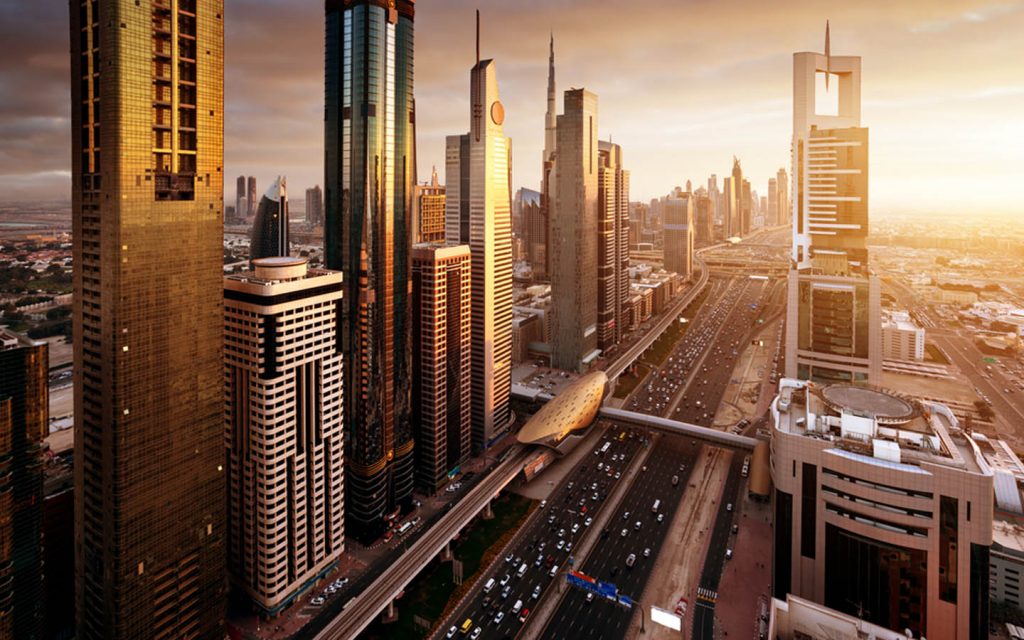
Consider proximity to supermarkets, clinics, parks, schools, and the Metro. Most buildings include gyms and pools; villas offer more space and privacy.
Buying a property in Dubai
- Locations to consider: For strong connectivity and city views, look at established apartment districts like Dubai Marina and Downtown. For quieter family neighbourhoods with parks and schools, consider Dubai Hills Estate, Arabian Ranches or Mirdif (mainly villas/townhouses). For waterfront prestige, Palm Jumeirah stands out.
- Process highlights: Agree the price and terms, sign a Memorandum of Understanding, obtain a No Objection Certificate (NOC) from the developer, and transfer title at the Dubai Land Department (or authorised trustee office). Pay transfer fees and any service charge adjustments at completion.
- Budget pointers: Factor in transfer fees (~4% of price), trustee fees, agency fees (commonly ~2%), mortgage arrangement fees if financing, and annual service charges.
- Residency via property: Property-linked visas are available above set thresholds; Golden Visa pathways exist for qualifying investments. Confirm current criteria before committing.
Renting a property in Dubai
- Student-friendly options: Areas near Dubai International Academic City and well-connected suburbs with shared accommodation are popular for students.
- Value areas: Jumeirah Village Circle, Al Furjan and Discovery Gardens often offer competitive rents and modern amenities.
- Premium urban vibes: City Walk, Dubai Marina and Downtown cater to those who want dining, retail and nightlife on the doorstep.
- Family villas: Mirdif, Arabian Ranches, and Dubai Hills Estate provide space, gardens and community facilities.
- Payments and setup: Rents are commonly paid in 1–4 cheques per year. Expect a security deposit (typically 5% for unfurnished, 10% for furnished) and an agency fee (often 5% of annual rent). Register your tenancy with Ejari, then connect utilities (DEWA) and internet (Etisalat/du). District cooling may be billed separately; some buildings are “chiller-free,” meaning the landlord covers central A/C.
- Know your rights: Familiarise yourself with tenancy laws, notice periods, and rent-increase caps. Retain copies of your contract, Ejari and deposit receipt.
Living in Dubai
Beyond finding a home, plan for schooling, healthcare, everyday shopping and your monthly budget. Here’s what Australian expats should know.
Schools and Universities
- Dubai offers British, IB, American and other curricula, as well as Australian-curriculum options. Check KHDA ratings, fees, commute time and campus facilities.
- Arabic is compulsory in most schools; schools support non-native learners. Admissions can be competitive—apply early and prepare transfer reports.
- Nurseries and early learning centres are widely available, with flexible timings for working parents.
- Several reputable universities operate campuses in Dubai, giving students degree pathways closer to home than a long-haul to Australia.
Food and Goods
- From flat whites to avo toast, Dubai’s cafe scene has a strong Australian influence. You’ll also find bakeries, specialty roasters and weekend brunch culture.
- Major supermarkets and gourmet butchers stock Australian beef and pantry staples. International aisles make it easy to cook familiar meals.

Healthcare Centres
- Health insurance is mandatory. Employers usually cover staff; sponsors must arrange policies for dependents. Keep your insurance card/APP handy for cashless treatment.
- Dubai has international-standard hospitals and clinics across the city, with 24/7 pharmacies in most districts.
- Avoid bringing medications that are controlled in the UAE without prior approval; if needed, carry a doctor’s prescription and check MOHAP guidance.
Cost of living: Your budget will hinge on rent, utilities, transport, schooling and lifestyle. A practical approach is to allocate 30–40% to housing, 10–15% to transport, and the rest to groceries, healthcare, education, leisure and savings. Dubai has no personal income tax, but account for 5% VAT and municipal fees on utility/tenancy bills.
Getting Around Dubai
Dubai’s transport network is modern and reliable. Many expats combine public transport with occasional ride-hailing, or drive once they convert their license.
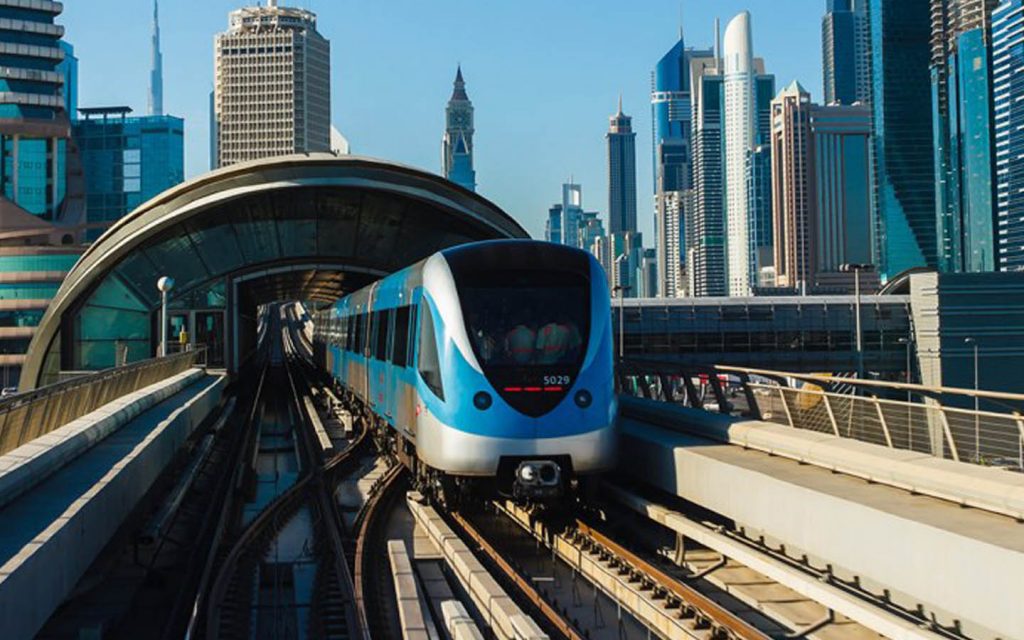
- Public transport: The Dubai Metro, tram and buses run on a tap-and-go Nol card with zone-based fares. Taxis are plentiful, and ride-hailing is ubiquitous.
- Driving: Australians on a visit status can drive rental cars with their Australian licence (check provider rules). After you become a resident, you must convert your licence through the RTA. Typically you’ll need your original licence, Emirates ID, eye test and fees; Australians are among the nationalities eligible for conversion without a road test.
- Cars and tolls: If you buy a car, register it, get comprehensive insurance, and attach a Salik tag for road tolls. Parking is app-based in most districts.
Lifestyle and Entertainment
- Weekends can be as laid-back or as luxe as you like—think beach clubs, desert camping, art districts, live music, theme parks and world-class malls.
- For a taste of home, you’ll find cafes, roasteries and restaurants with distinctly Australian menus, plus community events on Australia Day.
- Culture lovers should explore Dubai Opera, museums and independent galleries, while outdoor enthusiasts can cycle Al Qudra, kitesurf, or hike in cooler months.

Tips on how to settle in Dubai from Australia
Understanding local norms and doing the basics early will help you settle quickly.
- Dress and decorum: The UAE is a Muslim country; dress modestly in public spaces and be mindful of local customs, especially during Ramadan.
- Language: English is widely spoken; learning basic Arabic greetings goes a long way.
- Documents: Keep passports, Emirates ID, tenancy contract (Ejari), health insurance and work documents accessible (plus backups in cloud storage).
- Climate: Summers (May–Sep) are hot and humid—plan activities indoors midday and stay hydrated.
- Photography: Do not photograph people without consent or restricted government sites. Follow UAE cyber and privacy laws.
- Money and banking: Open a local bank account after you receive your Emirates ID; salaries are typically paid through the WPS banking system. International transfers are straightforward via bank or licensed remittance services.
- Pets: You can import pets with microchip, vaccinations and permits; use a reputable pet relocations agent for a smoother process.
FAQS ABOUT MOVING TO DUBAI FROM AUSTRALIA
Can Australians get a visa on arrival in Dubai?
Yes. Australian passport holders typically receive a 30-day visa on arrival for tourism. For long-term stays, you’ll need a residence visa tied to work, study, investment, freelancing or family sponsorship.
How long does a UAE work visa take to process?
Timelines vary by employer and season, but once your entry permit is issued, the in-country medical, Emirates ID biometrics and residency stamping usually complete within 1–3 weeks. Start your document attestation early to avoid delays.
Can I convert a tourist visa to a work or residence visa without leaving the UAE?
Often yes. Many sponsors process an in-country status change so you don’t have to exit and re-enter. Your employer or free zone can confirm the current procedure and fees.
Can I drive with my Australian licence in Dubai?
Visitors can typically drive rental cars with an Australian licence (check your rental company’s policy). After you become a resident, you must convert your licence via the RTA; Australians are usually eligible to convert without a road test, subject to valid documents and fees.
What is the cost of living compared to Sydney or Melbourne?
Rents in central Dubai can be comparable to inner-city Australia, while suburban areas may be cheaper. Groceries and utilities are similar to major Australian cities; cars and fuel are often less expensive. There’s no personal income tax in the UAE, but plan for 5% VAT and municipal fees.
What are the main taxes and fees I should expect?
There’s no personal income tax. Expect 5% VAT on most goods and services, 5% municipality fee on your housing bill, road tolls (Salik) if you drive, and various government fees for visas and licensing.
What should I know about healthcare and insurance?
Health insurance is mandatory. Employers usually cover employees, while sponsors provide policies for dependents. Keep your insurance details handy, and note that certain medications are controlled—check rules before bringing them to the UAE.
With the right visa, a planned budget, and a neighbourhood that fits your lifestyle, moving to Dubai from Australia can be as smooth as it is exciting. Welcome to your new chapter in the UAE.