 English
 العربية
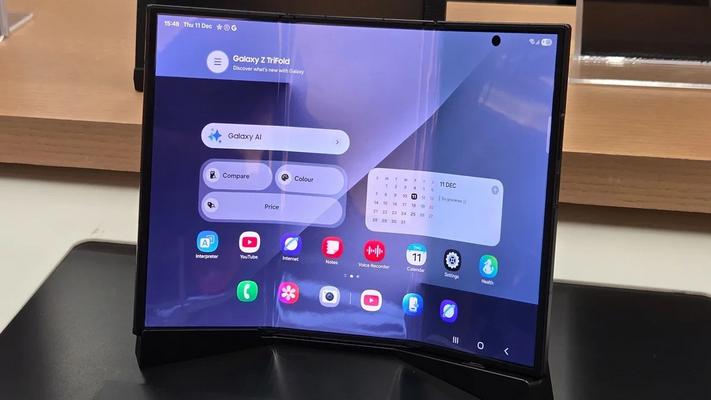
Samsung's Galaxy Wide Fold represents the company's next major leap in foldable smartphone technology, with initial production reportedly set at one million units. This ambitious target signals that Samsung views this unique wide-format foldable as more than just an experimental product—it's a serious contender in the premium smartphone market designed to reach consumers worldwide.
What is the Samsung Galaxy Wide Fold?
The Galaxy Wide Fold is Samsung's rumored third foldable device launching in 2025, joining the Galaxy Z Fold 8 and Galaxy Z Flip 8. Unlike its siblings, this device features a fundamentally different form factor with a wider aspect ratio when unfolded, delivering an iPad mini-style tablet experience. It's positioned between the mainstream Z Fold line and the experimental Z TriFold, offering a unique balance of innovation and practicality.

This is (more or less) how the Galaxy Wide Fold is expected to look. | Concept by @UniverseIce on X
One Million Units: What This Production Target Means
In a mobile industry that shipped over 1.25 billion devices in 2025, one million units might seem modest for the world's second-largest smartphone vendor. However, context reveals why this figure is significant:
- Galaxy Z Fold SE comparison: The Special Edition from late 2024 achieved approximately 500,000 shipments
- Galaxy Z TriFold performance: Samsung's triple-folding device hasn't yet reached 40,000 units sold
- Global availability indicator: The production volume suggests widespread market release, not limited regional launches
The one million unit target essentially doubles the Z Fold SE's performance while dwarfing the Z TriFold by a factor of 25. This isn't Samsung testing waters—it's Samsung diving in confidently.
Why Production Numbers Matter for Consumers
Higher initial production typically translates to:
- Broader global availability at launch
- Better supply meeting demand (unlike Z TriFold shortages)
- Potentially more competitive pricing due to economies of scale
- Stronger carrier partnerships and retail presence
Galaxy Wide Fold vs. iPhone Fold: The Race to Market
Samsung appears poised to beat Apple's first foldable iPhone to market by several months. Here's the expected timeline:
- Galaxy Wide Fold: Summer 2025 launch (likely July, possibly June)
- iPhone Fold: Fall 2026 release alongside iPhone 18 Pro lineup

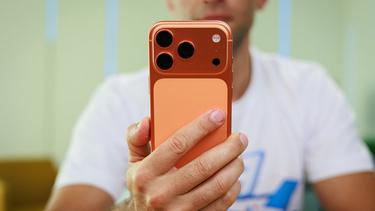
And this is how Apple's first foldable iPhone is expected to look. | Image Credit -- fpt on YouTube
Remarkably Similar Specifications Expected
Both devices may share nearly identical screen configurations:
- Primary display: 7.6 inches when unfolded
- Cover screen: 5.4 inches
- Aspect ratio: Wider than traditional book-style foldables
- Form factor: iPad mini-like tablet experience when open
Market analysts project Apple could sell 10+ million iPhone Fold units within months of release. While Samsung's one million target appears smaller, the head start provides crucial advantages in establishing market presence and refining the product category.
How the Wide Fold Differs from Galaxy Z Fold 8
The primary distinction lies in the unfolded display's aspect ratio. Traditional book-style foldables like the Z Fold series unfold into tall, narrow screens. The Wide Fold opens into a more square, tablet-like display that's better suited for:
- Content consumption (videos, reading)
- Productivity tasks (split-screen multitasking)
- Gaming applications
- Web browsing without excessive scrolling

The Galaxy Z Fold 7 has been super-popular, and there's no reason to expect anything different from the Z Fold 8. | Image Credit -- PhoneArena
Sales Expectations: Can Wide Fold Outsell Z Fold 8?
Current projections suggest no. Samsung's total foldable sales exceeded six million units in 2025, with the Galaxy Z Fold 7 contributing significantly to that success. Surprisingly, the premium Z Fold 7 outsold the more affordable Z Flip 7—a trend expected to continue with their successors.
Projected 2025-2026 Foldable Hierarchy
- Galaxy Z Fold 8: Expected top seller, continuing Z Fold 7's momentum
- Galaxy Z Flip 8: Strong sales but trailing the Fold line
- Galaxy Wide Fold: One million units as baseline, potential for growth
- Galaxy Z TriFold: Niche experimental status continues
While one million units won't dethrone the Z Fold 8, achieving (or exceeding) this target could establish the Wide Fold as the foundation for a new premium product line.
Production Flexibility and Market Response
Samsung's "initial" production target language is intentional. Early production plans can shift based on:
- Pre-order demand strength
- Component supply chain stability
- Competitive landscape changes
- Regional market reception
If global demand exceeds expectations, Samsung possesses the manufacturing capability to scale production upward. The Wide Fold's design, while new to Samsung's portfolio, doesn't appear to pose significant manufacturing challenges compared to the more complex Z TriFold.
What This Means for Samsung's Foldable Strategy
The Galaxy Wide Fold represents Samsung's recognition that foldable consumers want choice. By offering three distinct form factors (traditional fold, flip, and wide fold), Samsung creates a comprehensive foldable ecosystem addressing different user preferences:
- Z Fold 8: Power users wanting maximum screen real estate and productivity
- Z Flip 8: Style-conscious consumers prioritizing compactness
- Wide Fold: Media consumers and tablet enthusiasts seeking optimal content viewing
This diversification also positions Samsung to capture market share before Apple's entry while establishing expertise across multiple foldable formats.
Pricing Expectations
While official pricing remains unconfirmed, the Wide Fold is expected to command premium pricing similar to the Z Fold line. The one million production target suggests Samsung isn't positioning this as a limited luxury item but rather a mainstream premium device—meaning pricing will need to balance profitability with accessibility.
Frequently Asked Questions
When will the Samsung Galaxy Wide Fold be released?
The Galaxy Wide Fold is expected to launch in summer 2025, likely in July alongside the Galaxy Z Fold 8 and Z Flip 8. A June announcement hasn't been ruled out.
How many Galaxy Wide Fold units will Samsung produce?
Initial production is reportedly set at one million units, with potential for increases based on market demand after launch.
What screen sizes will the Galaxy Wide Fold have?
The Wide Fold is expected to feature a 7.6-inch primary display when unfolded and a 5.4-inch cover screen, similar to the rumored iPhone Fold specifications.
How is the Wide Fold different from the Galaxy Z Fold 8?
The primary difference is the aspect ratio. The Wide Fold opens into a wider, more tablet-like display resembling an iPad mini, while the Z Fold 8 maintains the taller, narrower book-style format.
Will the Galaxy Wide Fold be available worldwide?
The one million unit production target strongly suggests global availability, unlike the limited Z Fold SE release or supply-constrained Z TriFold.
Is the Galaxy Wide Fold more expensive than the Z Fold 8?
Official pricing hasn't been announced, but the Wide Fold is expected to occupy a similar premium price tier as the Z Fold series.
Will Samsung's Wide Fold beat Apple's iPhone Fold to market?
Yes, according to current rumors. The Galaxy Wide Fold should launch in summer 2025, while the iPhone Fold isn't expected until fall 2026.