 English
 العربية
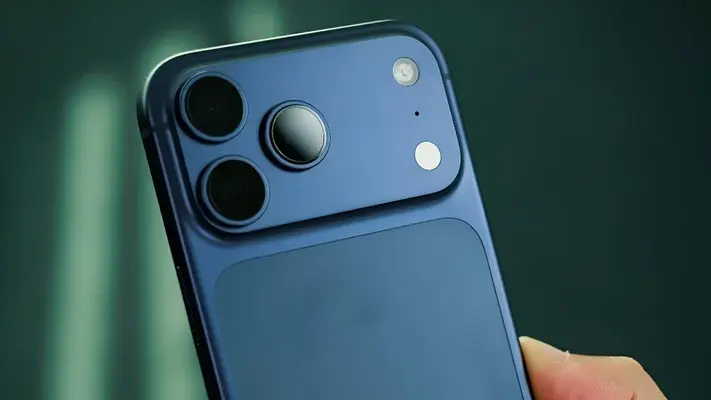
The iPhone 18 may feature Apple's most significant battery upgrade in years, potentially utilizing a revolutionary pure-silicon anode technology that could dramatically increase energy density and battery life. With the 20th anniversary of the iPhone approaching in 2027, Apple appears to be preparing something special for battery technology enthusiasts.
Apple's Battery Technology: Playing Catch-Up or Strategic Patience?
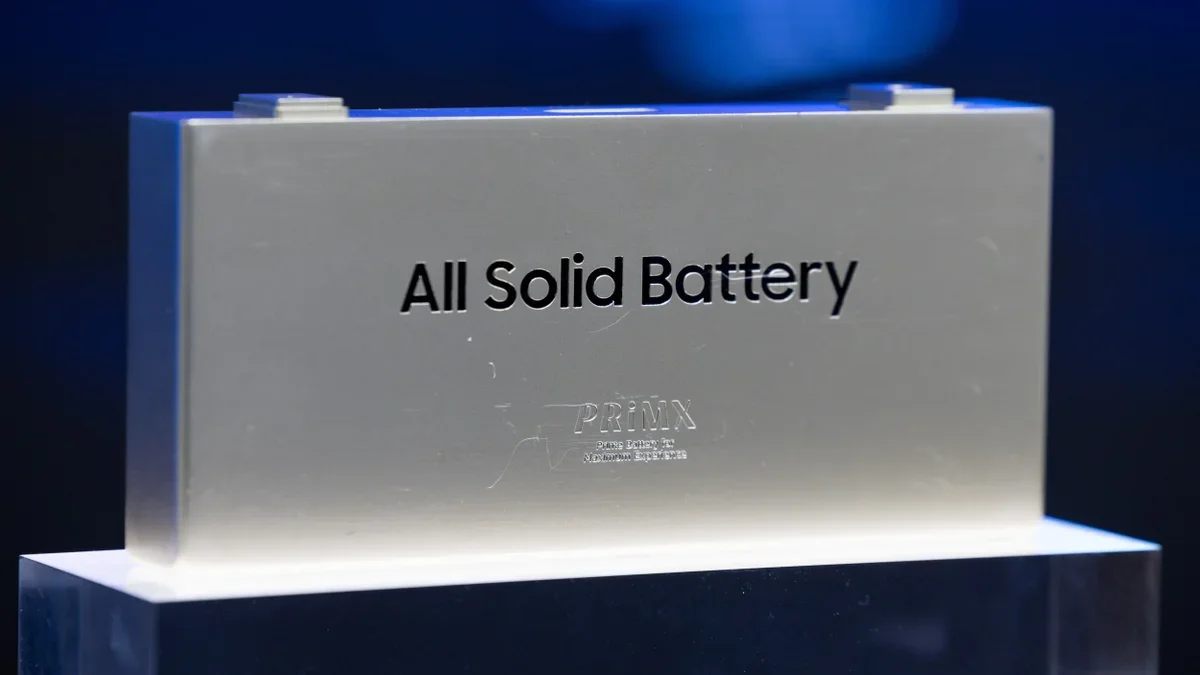
For years, Apple has faced criticism for lagging behind competitors in battery technology. While Chinese smartphone manufacturers now offer devices with massive 10,000 mAh silicon-carbon batteries, and Samsung prepares to launch wearables with solid-state batteries by the end of 2026, Apple has seemingly remained conservative with its battery approach.
However, industry insiders suggest that Apple hasn't been idle. The company has been quietly developing next-generation battery technology that could debut with the iPhone 18 series, marking the device's 20th anniversary in spectacular fashion.
What Is Apple Working On?
According to the Korean publication etnews, citing industry sources, Apple is working intensively on innovations for its 2027 iPhone lineup. These reportedly include:
- A new type of battery technology featuring silicon-based anodes
- Under-display front camera for a cleaner design
- Multiple cutting-edge features to celebrate the iPhone's 20th anniversary
"Apple has always prioritized completeness and user experience over being the first in the industry to introduce new technologies when they are sufficiently mature and can be optimized for its own products," stated an industry source. "However, I understand that Apple is preparing to boldly introduce cutting-edge technologies in light of the symbolic nature of the 20th anniversary model, such as the iPhone X."
The iPhone Air Was a Hint
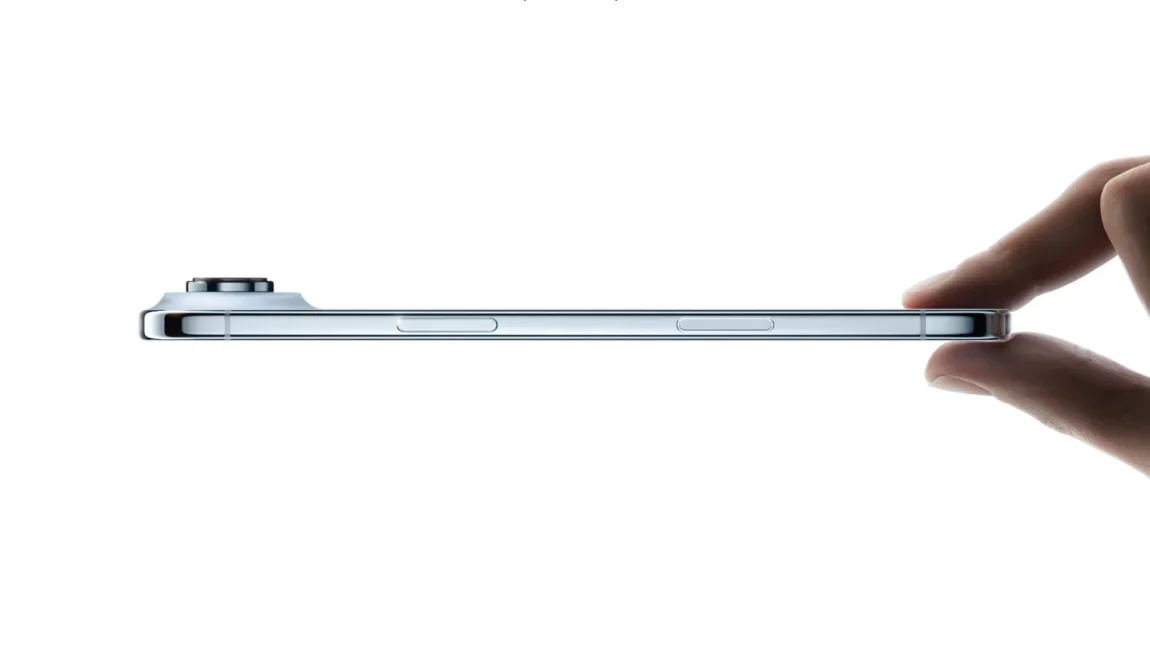
The writing was already on the wall with the iPhone Air. Rumors suggested that Apple's ultra-thin smartphone would feature a revolutionary new battery inside, but ultimately, the company wasn't ready to implement the technology. This indicates that Apple has been actively developing advanced battery solutions, even if they weren't mature enough for the iPhone Air's launch.
Apple's Pure Silicon Battery Patent: What We Know
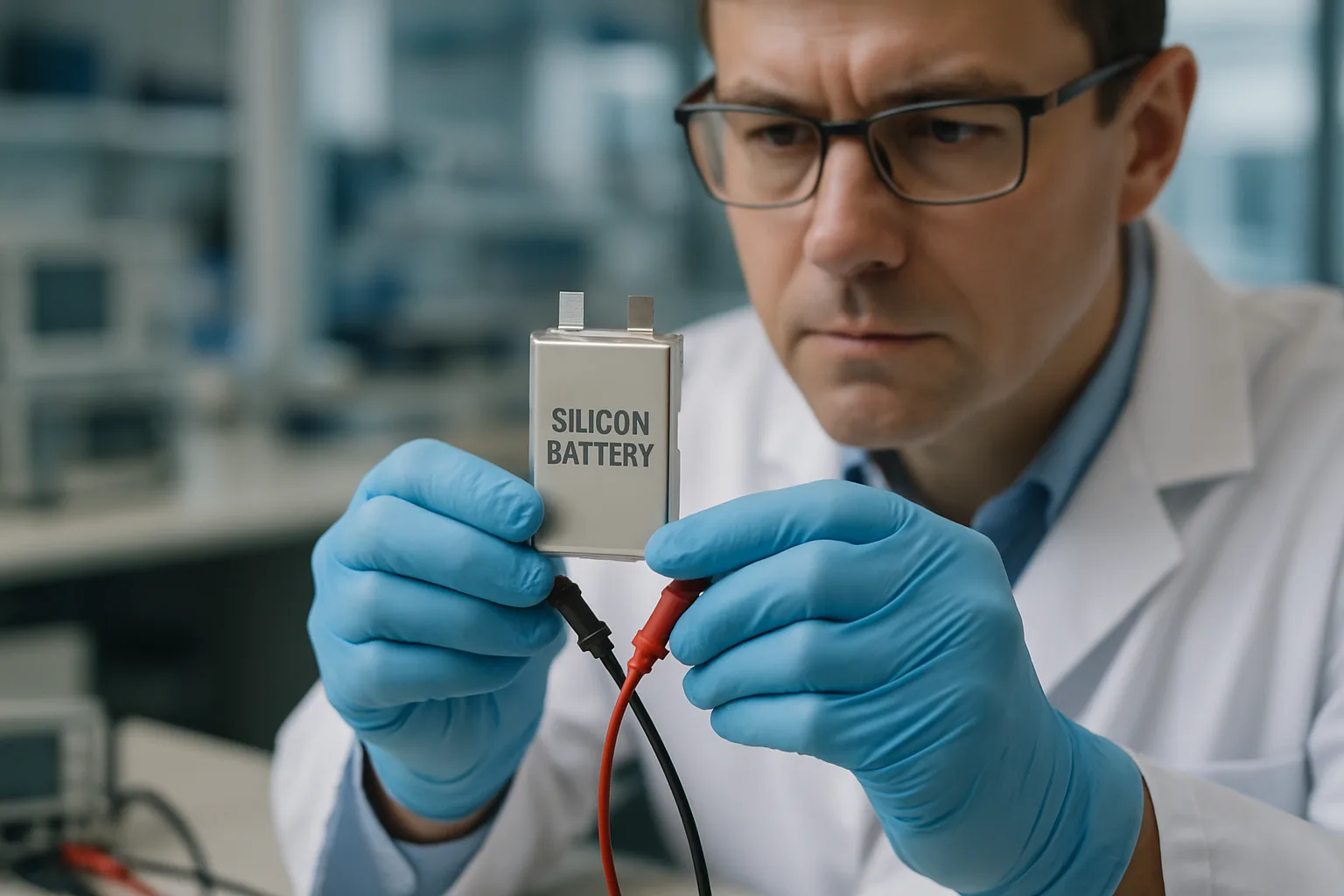
Digging deeper into Apple's research and development activities reveals compelling evidence of ongoing battery innovation. A key piece of the puzzle is a patent titled "Interconnected Silicon Porous Structure for Anode Active Material," filed in 2019 and active until 2040.
Understanding the Technology
Here's what Apple's patent describes in simpler terms:
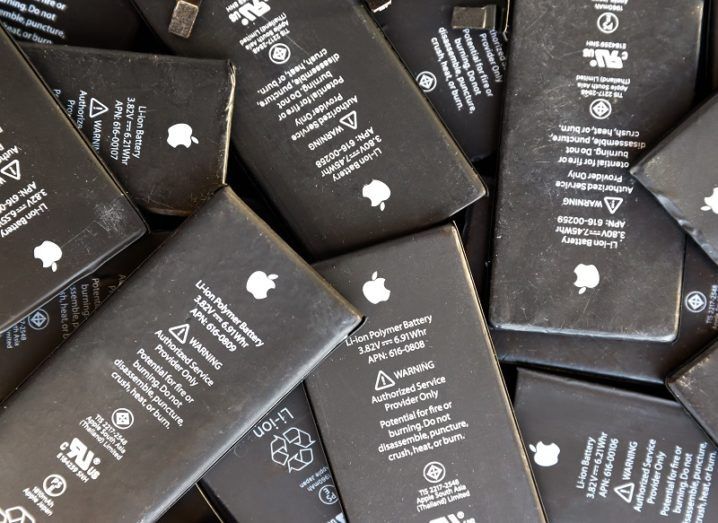
- Traditional batteries use graphite and graphene for the anode (the component that stores energy)
- Silicon can store significantly more energy than graphite, making it an attractive alternative
- The challenge: Silicon expands up to 300% during charging and discharging cycles, causing instability, damage, and potential safety hazards
- Apple's solution: A carbon coating layer that stabilizes the silicon, preventing dangerous expansion
The Energy Density Potential
The numbers are impressive when comparing different battery technologies:
- Modern lithium-ion batteries: 200-280 Wh/kg
- Donut Labs solid-state battery: 400 Wh/kg
- Theoretical pure-silicon anode: ~1,300 Wh/kg
While achieving the theoretical maximum is unlikely in the near term, even a fraction of this improvement would represent a significant leap forward for iPhone battery life.
The Metal Can Technology Connection
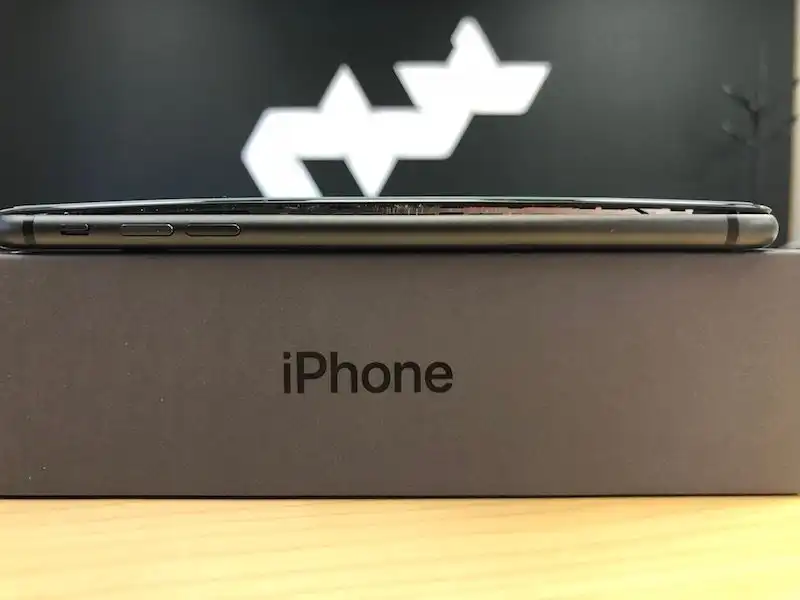
Another crucial piece of evidence is Apple's "metal can" patent—a specific method of sealing batteries that experts say enables the use of silicon in the anode.
Gene Berdichevsky, co-founder of battery materials manufacturer Sila, explained to TechCrunch: "It lets us push the performance limits more. We've always had these trade-offs, and we have to manage the swell. You still have to do that, but you can push it a little bit more. It's pretty revolutionary."
When combining both patents—the silicon anode technology and the metal can sealing method—the picture becomes clearer: Apple is systematically developing the components needed for a breakthrough battery.
How Big Could the iPhone 18 Battery Be?
Predicting exact specifications is challenging without knowing where Apple stands on its development roadmap. However, based on Apple's traditionally conservative approach to new technologies, here's a realistic projection:
- iPhone 17 Pro Max: 5,088 mAh conventional lithium-ion battery
- Expected iPhone 18 Pro Max: Approximately 6,000 mAh with silicon-enhanced battery
- Potential capacity increase: ~20% improvement
While a 6,000 mAh iPhone 18 Pro Max wouldn't be groundbreaking compared to some Chinese competitors, it represents a realistic starting point for Apple to gain experience with this new technology while maintaining its quality standards.
The Competitive Landscape
Apple's battery development doesn't exist in a vacuum. The competitive pressure is intense:
Samsung's Solid-State Battery Plans
Samsung is targeting the end of 2026 to introduce solid-state batteries in its wearable devices. This technology promises:
- Higher energy density than current lithium-ion cells
- Improved safety with non-flammable solid electrolytes
- Longer lifespan with more charge cycles
Chinese Manufacturers Leading in Capacity
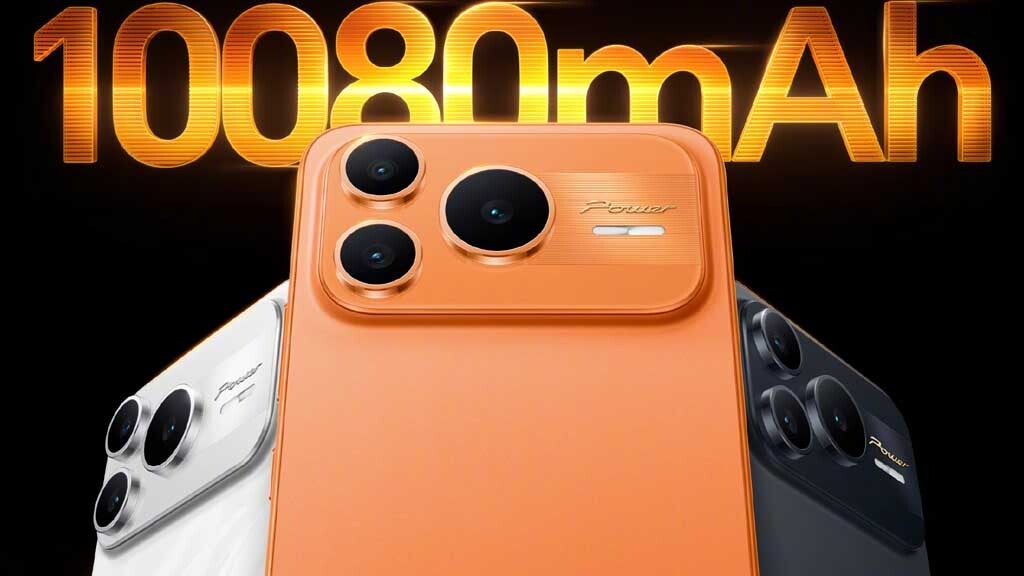
Brands from China are already shipping phones with 10,000 mAh silicon-carbon batteries, effectively doubling the capacity of typical flagship smartphones. This aggressive approach has set new expectations for battery life among consumers.
Donut Labs' Solid-State Breakthrough
Donut Labs recently unveiled a solid-state battery promising 400 Wh/kg energy density, which could revolutionize the entire tech industry if successfully commercialized.
Why the iPhone's 20th Anniversary Matters
The timing of Apple's potential battery breakthrough isn't coincidental. The original iPhone launched in 2007, making 2027 the 20th anniversary year. Apple has a history of making significant product changes for milestone anniversaries:
- iPhone X (2017): Marked the 10th anniversary with Face ID, OLED display, and the iconic notch design
- iPhone 18 (2027): Expected to feature similarly revolutionary changes
Apple's willingness to "boldly introduce cutting-edge technologies" for the anniversary model suggests the company is prepared to take calculated risks it might otherwise avoid.
What This Means for Consumers
If Apple successfully implements pure-silicon battery technology in the iPhone 18, consumers can expect:
- Significantly longer battery life without increasing device size
- Potentially faster charging due to improved battery chemistry
- Better long-term battery health with advanced protection systems
- Maintained or reduced device thickness despite higher capacity
Should You Wait for the iPhone 18?
For consumers deciding whether to purchase current iPhone models or wait for the iPhone 18, consider these factors:
- Timeline: The iPhone 18 is expected in late 2027, nearly two years away
- Technology maturity: First-generation implementations often have room for improvement
- Current options: The iPhone 17 series offers solid battery life for most users
- Your needs: If battery life is your primary concern, waiting might be worthwhile
Frequently Asked Questions
What battery technology will the iPhone 18 use?
Based on Apple's patents and industry reports, the iPhone 18 may feature a pure-silicon anode battery with carbon coating technology and metal can sealing. This could significantly increase energy density compared to current lithium-ion batteries.
How much bigger will the iPhone 18 battery be?
Estimates suggest a potential 20% increase in capacity. If the iPhone 17 Pro Max has a 5,088 mAh battery, the iPhone 18 Pro Max could reach approximately 6,000 mAh while maintaining similar dimensions.
When will the iPhone 18 be released?
The iPhone 18 series is expected to launch in late 2027, coinciding with the iPhone's 20th anniversary celebration.
Is Apple's silicon battery technology the same as solid-state batteries?
No, they are different technologies. Apple's rumored pure-silicon battery improves the anode material in lithium-ion cells, while solid-state batteries replace the liquid electrolyte with a solid material. Both aim to increase energy density but through different approaches.
Will the iPhone 18 battery be safer than current batteries?
Apple's metal can technology and carbon-coated silicon approach are specifically designed to address stability and safety concerns associated with silicon expansion during charging cycles, potentially making the battery safer than conventional designs.
How does Apple's battery technology compare to Chinese competitors?
Chinese manufacturers currently offer phones with 10,000 mAh silicon-carbon batteries. Apple's rumored 6,000 mAh capacity would be lower but represents Apple's characteristically conservative approach to adopting new technology while ensuring reliability and safety.
Will older iPhones receive this battery technology?
New battery technology typically debuts in flagship devices first. It's unlikely that older iPhone models would receive hardware upgrades, though future iPhone SE or standard iPhone models might eventually incorporate similar technology.