 English
 العربية
The Honor Magic 8 Pro represents a significant leap forward in smartphone display technology with its comprehensive suite of eye protection features. Unlike competitors such as Apple and Samsung, Honor has developed a holistic approach to eyesight health, incorporating high-frequency PWM dimming, AI-powered circadian adjustments, and innovative defocus technology that could reduce transient myopia by up to 13%. For anyone concerned about the long-term effects of smartphone use on their vision, this device offers solutions that the industry leaders have yet to match.
Why Your Smartphone Could Be Damaging Your Eyes
Numerous scientific studies have established a clear correlation between smartphone use and various eye health problems, including myopia (nearsightedness), astigmatism, and dry eye syndrome. We receive approximately 80% of all information through our eyes—a sense that evolved over tens of thousands of years. Yet, we carelessly compromise our eyesight health every day by staring at screens for hours on end.
The average person spends more than four hours daily looking at their smartphone. This prolonged exposure to artificial light, combined with the fixed focal distance required for screen viewing, creates a perfect storm for eye strain and long-term vision problems. Children are particularly vulnerable, with myopia rates skyrocketing globally, partly attributed to increased screen time.
Honor has recognized these risks and implemented several innovative features in their Magic 8 Pro to address them comprehensively. The company's AI Eye Comfort Display technology represents a multi-faceted approach to protecting users' vision while maintaining an excellent viewing experience.
4320Hz High-Frequency PWM Dimming: Eliminating the Flicker Problem
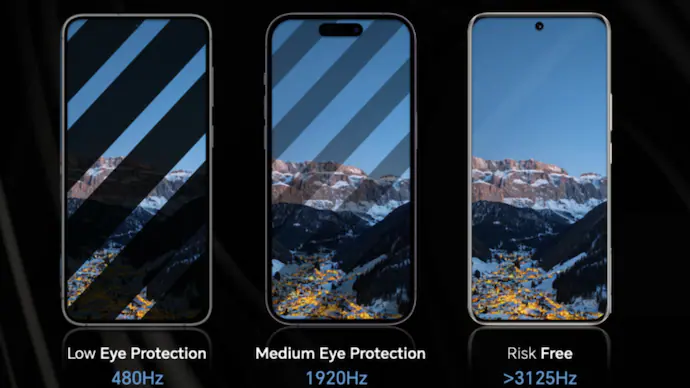
PWM dimming, or Pulse Width Modulation, is a technique used to control screen brightness on OLED displays. Instead of simply reducing power to the diodes, the screen rapidly switches pixels on and off. To the human eye, this rapid switching appears as lower brightness, but the flickering can cause significant eye strain, especially in sensitive individuals.
Apple's iPhones use 480Hz PWM dimming—a frequency that many users report causes headaches, eye fatigue, and discomfort during prolonged use. Samsung phones typically operate at similar frequencies. The Honor Magic 8 Pro, however, operates at an impressive 4320Hz—nearly ten times faster than the iPhone.
Why does this matter? The higher the frequency, the less perceptible the flicker becomes, and the less strain is placed on your eyes. At 4320Hz, the switching is essentially invisible to the human visual system, creating a viewing experience that's much closer to natural, continuous light.
The Magic 8 Pro also includes a unique feature that allows you to point the camera at any light source to detect its flicker rate and determine if it might be problematic for your eyes. This practical tool helps users identify potentially harmful lighting in their environment.
Dynamic Dimming Display Technology
Beyond the high PWM frequency, Honor implements Dynamic Dimming Display technology. This feature simulates the natural variations in light intensity that we experience throughout the day. Rather than maintaining a constant brightness level, the display subtly varies its output, helping your eyes relax and feel more comfortable during extended use.
This might seem like a minor detail, but constantly staring at a light source with unchanging brightness is unnatural for our eyes. The subtle variations introduced by Dynamic Dimming more closely mimic real-world lighting conditions, reducing the strain associated with artificial light sources.
Fighting Blue Light: AI Circadian Night Display
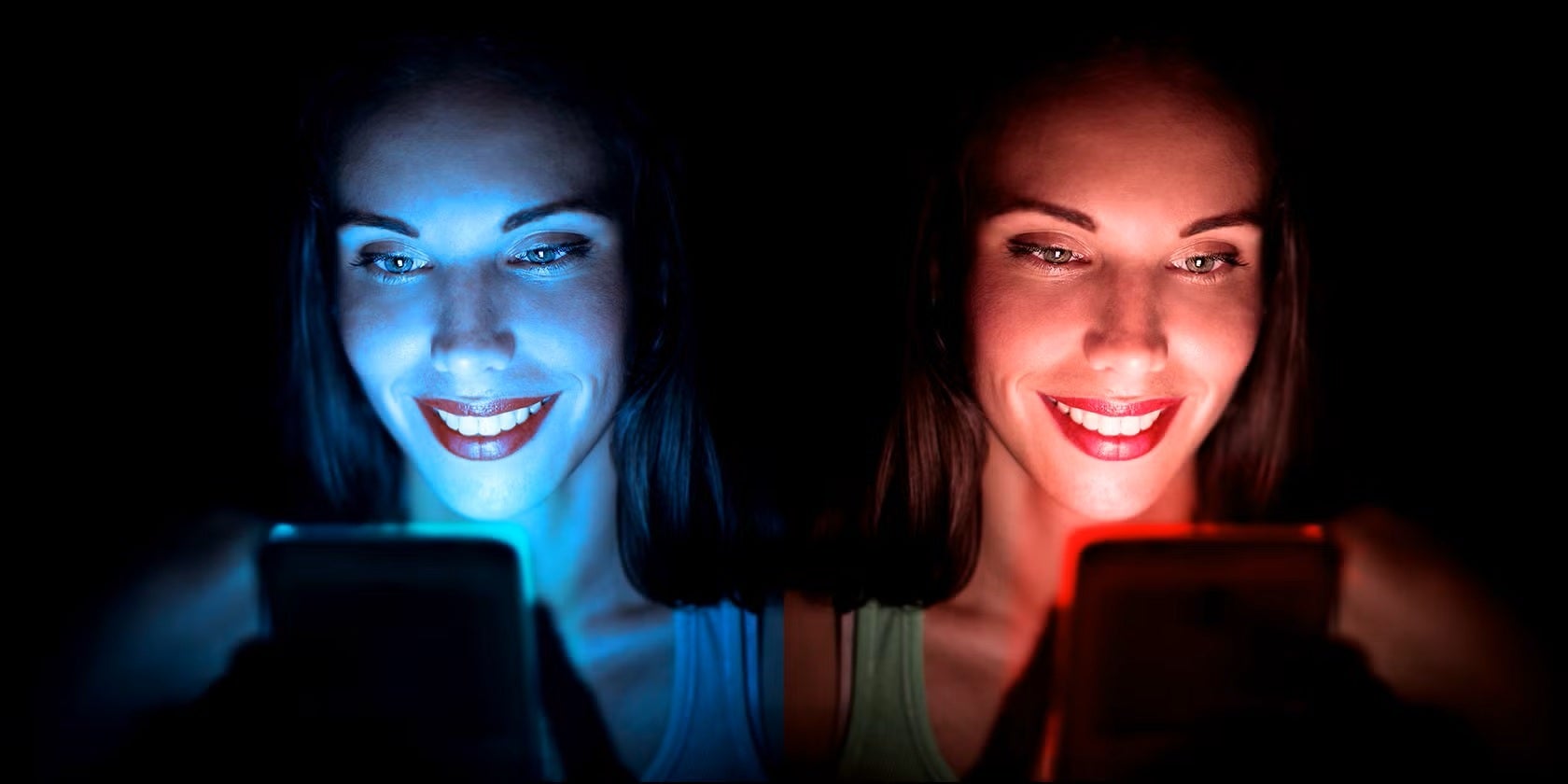
Blue light has been identified as a significant threat to both eye health and sleep quality. Light in the blue spectrum suppresses melatonin production—an evolutionary mechanism designed to wake us in the morning when natural sunlight is rich in blue wavelengths. In the evening, as sunlight shifts toward warmer tones, our bodies naturally begin producing melatonin to prepare for sleep.
The problem arises when we expose ourselves to artificial blue light close to bedtime. Smartphones, with their bright, blue-heavy displays, can significantly disrupt our circadian rhythms and compromise sleep quality.
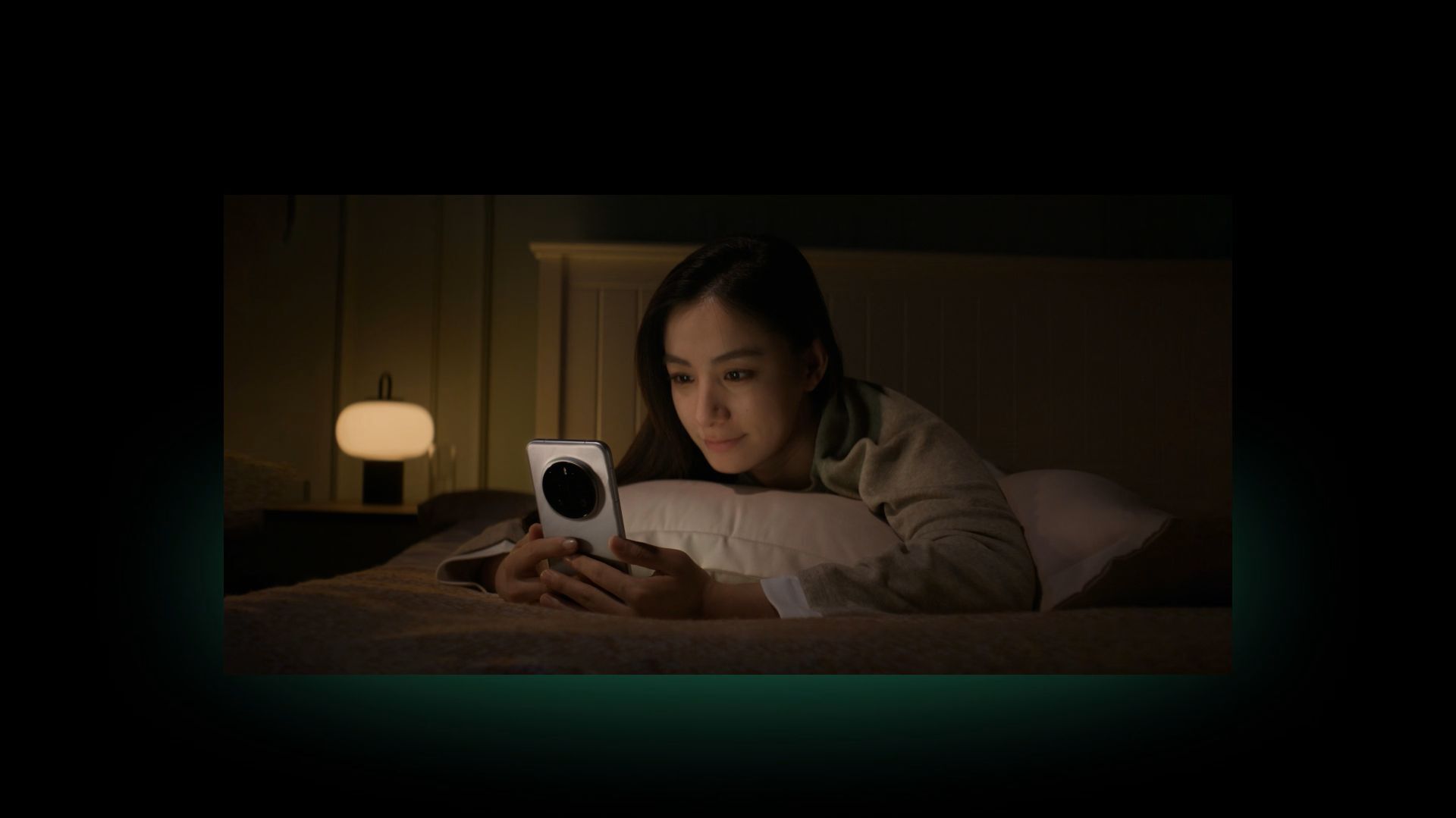
The Honor Magic 8 Pro's AI Circadian Night Display goes beyond simple scheduled blue light filters. Using artificial intelligence, the phone recognizes usage scenarios and adjusts color temperature accordingly. If you're traveling to a location with unusual daylight patterns—like Iceland during winter—the phone automatically adapts its blue light filtering.
According to Honor's laboratory testing, this feature can increase melatonin production by up to 20% compared to phones without this technology. That's a significant improvement for anyone struggling with sleep issues related to evening smartphone use.
Natural Tone Display
Complementing the AI Circadian Night Display is the Natural Tone Display feature. This technology uses the camera to analyze the colors in your environment and adjusts the display accordingly. In a dark room with cool ambient light, the display shifts warmer; in a naturally lit space with warm tones, it might maintain more neutral colors.
This constant adaptation ensures that your display always looks natural within its environment, reducing the jarring contrast that can contribute to eye strain.
Circular Polarized Display: Mimicking Natural Sunlight

One of the most innovative features of the Honor Magic 8 Pro is its circular polarized display. This technology applies a polarizing filter to the screen that creates circular polarization of the light wave—the same type of polarization found in natural sunlight.
The benefits of circular polarization are substantial:
- Reduced glare and reflections: Making the screen easier to view in bright conditions
- Uniform retinal stimulation: Preventing the directional stimulation that can cause eye fatigue
- Natural light mimicry: Creating a viewing experience more similar to looking at objects in natural light
- Fewer dry eye symptoms: Studies suggest circular polarization can reduce dry eye discomfort
This is a hardware-level solution that other manufacturers haven't widely adopted, giving Honor a distinct advantage in the eye comfort space.
AI Defocus Display: Combating Transient Myopia
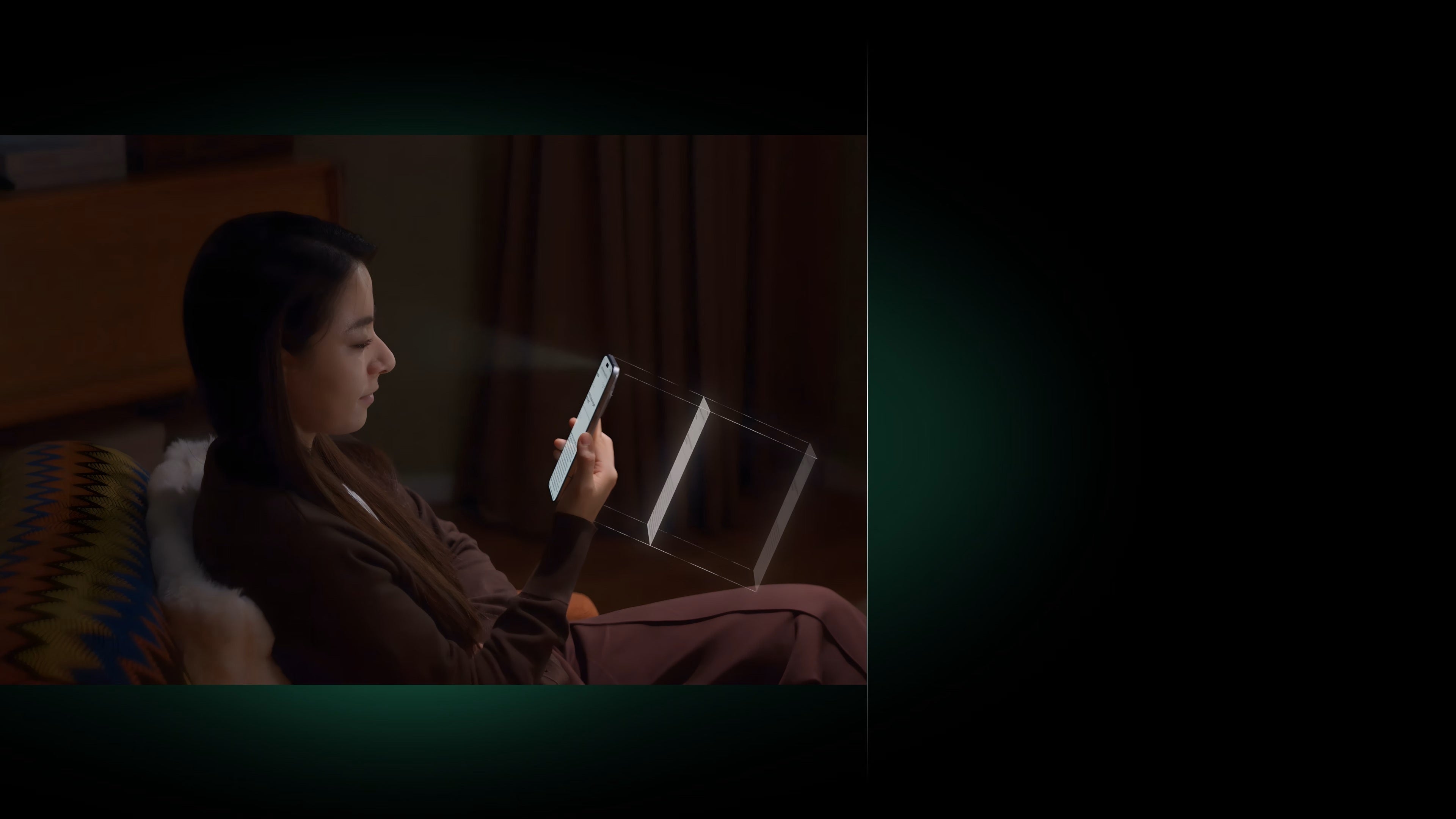
Perhaps the most scientifically interesting feature is the AI Defocus Display. Eye care professionals consistently advise taking breaks from screens to look at distant objects—this allows the muscles controlling your eye's focus to relax. Constant focus at a fixed, near distance causes these muscles to harden over time, contributing to nearsightedness.
The AI Defocus Display addresses this problem by simulating depth and different focal lengths while you view content. The technology gently blurs the edges of images, mimicking the effect of defocus glasses used in myopia treatment. This variation in focal requirements allows your eye muscles to relax even while you're actively using the phone.
According to Honor's research, this feature can improve transient myopia by an average of 13 degrees. Transient myopia is a reversible form of nearsightedness, but repeated episodes can lead to permanent vision changes. By reducing these episodes, the AI Defocus Display may help prevent long-term vision degradation.
AI Motion Sickness Relief: A Unique Addition
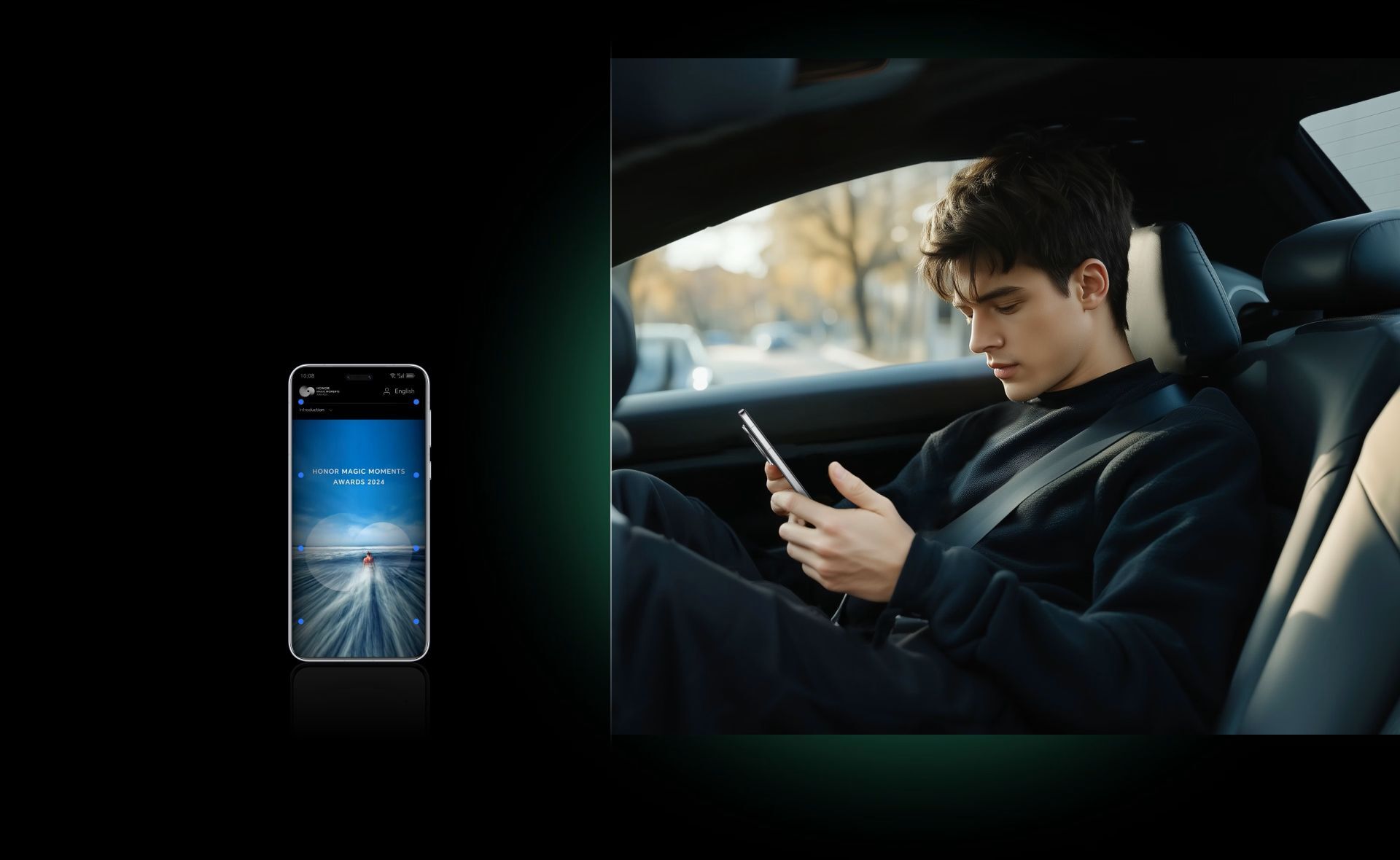
Motion sickness while using a smartphone in a moving vehicle is a common complaint. This occurs because of a disconnect between what your eyes see (a stationary screen) and what your inner ear senses (motion). The Honor Magic 8 Pro introduces AI Motion Sickness Relief to address this issue.
When activated, the feature places blue dots at the edges of the screen that serve as anchor points for your vision. These dots help your brain distinguish between the stationary content on screen and the motion your body is experiencing. While it might seem unusual, users report that it significantly reduces the nausea and discomfort associated with using phones while traveling.
How Honor Compares to Apple and Samsung
When evaluating eye protection features across major smartphone brands, Honor clearly leads the pack:
- PWM Frequency: Honor 4320Hz vs. Apple 480Hz vs. Samsung ~480Hz
- AI Circadian Adjustment: Honor offers intelligent, location-aware filtering; Apple and Samsung provide basic scheduled modes
- Circular Polarization: Honor includes hardware-level polarization; absent in Apple and Samsung
- Defocus Technology: Exclusive to Honor; no equivalent in competing devices
- Motion Sickness Relief: Unique to Honor's latest devices
Apple's True Tone and Night Shift features are steps in the right direction, but they don't approach the comprehensive approach Honor has developed. Samsung's Eye Comfort Shield similarly provides basic blue light filtering but lacks the advanced features found in the Magic 8 Pro.
Real-World Experience: Does It Actually Work?
After using the Honor Magic 8 Pro for approximately two weeks, the difference in eye comfort is noticeable. While some skepticism about marketing claims is always warranted, the cumulative effect of all these features does appear to reduce eye strain compared to other flagship smartphones.
The high-frequency PWM dimming alone makes a significant difference for users sensitive to screen flicker. The AI Defocus Display takes some getting used to—the subtle edge blurring is noticeable at first—but becomes natural after a day or two of use.
Whether these features will prevent long-term vision problems remains to be seen, as such effects take years to manifest. However, the immediate reduction in eye fatigue and discomfort suggests that Honor's approach has genuine benefits.
Should Apple and Samsung Take Notes?
The answer is unequivocally yes. As smartphone use continues to increase globally, and as concerns about screen time's effects on vision grow, eye comfort features will become increasingly important differentiators. Honor has positioned itself as a leader in this space, and competitors would be wise to invest in similar technologies.
For consumers concerned about their eye health, the Honor Magic 8 Pro represents the current state of the art in display technology. While no smartphone can completely eliminate the risks associated with screen use, Honor's comprehensive approach minimizes those risks more effectively than any competitor currently on the market.
Frequently Asked Questions
What is PWM dimming and why does it matter for eye health?
PWM (Pulse Width Modulation) dimming controls screen brightness by rapidly switching pixels on and off. Lower frequencies (like Apple's 480Hz) can cause visible flicker that leads to eye strain and headaches. Higher frequencies like the Honor Magic 8 Pro's 4320Hz eliminate perceptible flicker, reducing eye fatigue significantly.
Can the Honor Magic 8 Pro actually prevent myopia?
While no smartphone can guarantee myopia prevention, the AI Defocus Display feature has been shown to improve transient myopia by an average of 13 degrees. This technology may help reduce the progression of nearsightedness by allowing eye muscles to relax during use.
How does blue light affect sleep and eye health?
Blue light suppresses melatonin production, the hormone that regulates sleep. Exposure to blue light from smartphone screens before bedtime can disrupt your circadian rhythm and reduce sleep quality. Long-term blue light exposure may also contribute to digital eye strain and potential retinal damage.
What makes Honor's eye protection features better than Apple's or Samsung's?
Honor offers a more comprehensive suite of features including 4320Hz PWM dimming (vs 480Hz for competitors), AI-powered circadian adjustments, hardware-level circular polarization, defocus technology, and motion sickness relief. Apple and Samsung provide only basic blue light filtering options.
Does circular polarization really help with eye comfort?
Yes, circular polarization mimics natural sunlight and stimulates the retina uniformly rather than directionally. Studies indicate that displays with circular polarization can reduce glare, reflections, and dry eye symptoms compared to standard displays.
Is the AI Motion Sickness Relief feature actually effective?
Users report significant improvement when using this feature while traveling in vehicles. The blue anchor dots at the screen edges help the brain reconcile visual information with inner ear motion signals, reducing the dissonance that causes motion sickness.
Are these eye protection features always active or can they be customized?
Most features can be individually enabled or disabled through the phone's settings. The high-frequency PWM dimming operates constantly as a hardware feature, while AI-powered features like Circadian Night Display and Defocus Display can be toggled based on user preference.