 English
 العربية
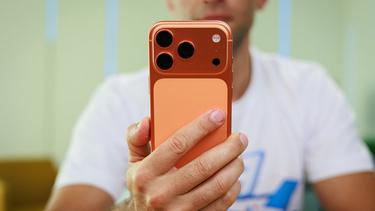
The Honor Magic 8 Pro Air is a groundbreaking ultra-thin smartphone that combines a massive 5,500 mAh silicon-carbon battery, triple camera system, and a lightweight 155g design at just 6.1mm thickness—achievements that neither Apple's iPhone Air nor Samsung's Galaxy S25 Edge have managed to accomplish. This device represents a significant leap in smartphone engineering that challenges the conventional limitations accepted by industry leaders.
The Specs That Sparked My Frustration
I am looking at the specs sheet of this phone, and I'm getting increasingly furious. It's thin, almost as thin as an iPhone Air, and it weighs just 155g, lighter than the Air, yet it has not one but three cameras on its back. It has stereo speakers. And best of all—it has a massive 5,500 mAh silicon-carbon battery, more than twice the size of the Air and nearly 50% larger than the one on the Galaxy S25 Edge.
And I have just one question: why couldn't Samsung and Apple make this phone?
So what's that mysterious super-phone and is it even real? Yes, it is, and it's the Honor Magic 8 Pro Air, the first in the world "Pro Air" phone.

The First Good Small Phone in a Long While
There's one more thing about this phone that stands out. It's not only thin and light, it's also more compact than its rivals.
While the Galaxy S25 Edge comes with a 6.7-inch screen and the iPhone Air features a 6.5-inch display, the screen on the Honor is just 6.3 inches, so it's also physically not as wide and not as tall. This makes it one of the best contenders for the title of the best small phone of 2026.
In fact, it has the same display size as the regular iPhone 17, but weighs nearly 20 grams less, and it's nearly 30% thinner: 6.1mm vs 8mm on the iPhone.
Thoughtful Design Details
Little details like the included case in the box are also very much appreciated. It's not just any case—it's a special one that doesn't wrap all around, leaving the sides exposed and not adding any extra thickness for a more airy feel.
And in terms of materials, it's not quite as premium as the iPhone Air which has a titanium body, but you still have a very durable frame with a very thin glass panel on the back.
But Is It Durable?
Naturally, one big question arises: but is it durable? And how strong is it? Well, Honor held a special launch event where the company had dancers perform on a stage, which was resting on... Honor Pro Air phones. And I think that is quite good evidence for its durability.
The Camera Advantage That Embarrasses the Competition

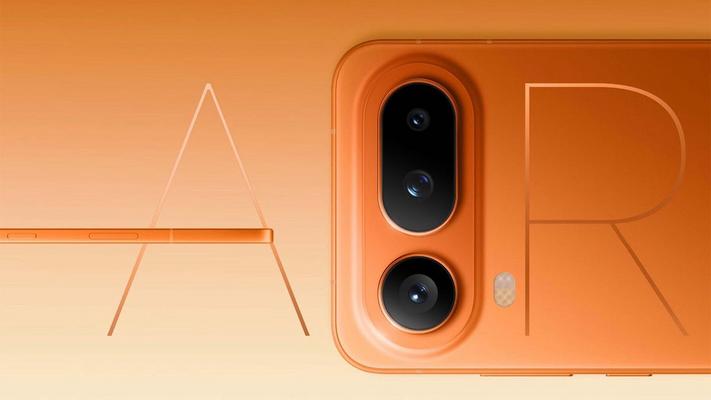
I also find it quite embarrassing for Apple and Samsung to see how Honor has managed to include three full cameras on the back of this phone, while those bigger players only manage to feature one or two.
With the Honor Magic 8 Pro Air, you have:
- Wide camera with a 1/1.3-inch sensor (same size as iPhone Pro Max or Galaxy Ultra)
- Ultra-wide camera for expansive landscape shots
- Telephoto camera with a very usable 3.2X lens, perfect for long-distance shots and portraits
Plus, there is a camera button too, just like on the iPhone Air, and I've really grown to like this little addition.
The Battery Advantage: Honor's Secret Weapon

Judging by a few recent launches, making a phone thin and light is not all that hard, but doing so without any major battery compromises is the real challenge.
Well, not if you ask Honor. The company was able to include a massive 5,500 mAh battery for its size—75% bigger than the one on the iPhone Air. And that is just a very sad number for Apple.
Battery Comparison Table
- Honor Magic 8 Pro Air: 5,500 mAh
- iPhone Air: 3,149 mAh
- Galaxy S25 Edge: 3,900 mAh
And all of this while there is still a physical SIM card slot inside. Remarkable!
Charging Speed Excellence
Charging speeds, as you'd expect from a Chinese phone, are also excellent. Despite the challenges of the extremely thin form factor, the Honor Magic 8 Pro Air still supports:
- 80W fast wired charging
- 50W wireless charging
Come to think of it, the only real downside of this phone is the slow USB 2.0 data transfer speed (but expectedly, the iPhone Air suffers from the same problem).
Silicon-Carbon Battery Technology Explained
How did Honor manage to fit such a massive battery into such a thin device? The answer lies in silicon-carbon battery technology. This advanced battery chemistry allows for significantly higher energy density compared to traditional lithium-ion batteries.
Silicon-carbon batteries can store more energy in less space because silicon can theoretically hold up to ten times more lithium ions than graphite, the traditional anode material. By combining silicon with carbon, manufacturers achieve a balance between capacity and longevity.
This technology represents a genuine leap forward in smartphone battery engineering—one that Apple and Samsung have seemingly been slow to adopt in their ultra-thin flagship devices.
What Apple and Samsung Got Wrong
When Apple announced the iPhone Air, the tech world was excited about its slim profile. But that excitement quickly turned to concern when the battery specifications were revealed. At just 3,149 mAh, Apple clearly prioritized thinness over usability.
Samsung's Galaxy S25 Edge took a slightly more balanced approach with 3,900 mAh, but it still fell dramatically short of what Honor achieved. Both companies seem to have accepted a false premise: that ultra-thin phones must sacrifice battery life.
The Innovation Gap
The real question isn't whether Apple and Samsung could make a phone like the Honor Magic 8 Pro Air—it's why they didn't. Both companies have access to:
- Billions of dollars in R&D budgets
- The world's best engineering talent
- Established relationships with component suppliers
- Years of smartphone manufacturing experience
Yet Honor, a company that faced significant challenges including US sanctions against its former parent company Huawei, managed to out-engineer both of them in this category.
The Compact Phone Revival
For years, smartphone enthusiasts have complained about the death of the compact flagship. Phones kept getting larger, and those who preferred one-handed use were left with mid-range options or outdated models.
The Honor Magic 8 Pro Air represents a potential turning point. With its 6.3-inch display, it proves that a smaller phone doesn't have to mean compromises in:
- Battery life
- Camera capabilities
- Build quality
- Processing power
This could pressure Apple and Samsung to reconsider their approach to compact flagships.
Global Availability Concerns
Of course, there's one significant caveat to all this enthusiasm: availability. Honor phones, while increasingly competitive in terms of specifications, don't have the same global distribution network as Apple or Samsung.
Additionally, concerns about software updates, app compatibility, and long-term support remain for some users considering Chinese smartphone brands. However, Honor has been working to address these concerns by committing to longer software support windows and expanding their global presence.
Final Thoughts: A Wake-Up Call for the Industry
Ultimately, the Honor Magic 8 Pro Air leaves me with a mix of awe and frustration.
Putting together an extremely slim phone with a 5,500 mAh battery and a triple camera system is an outstanding achievement. The frustration? Well, it exposes the limitations of the iPhone and Galaxy even more. Honor's phone is not just slightly better—its hardware seems years ahead.
This phone serves as a wake-up call to the smartphone industry. Consumers shouldn't have to choose between a thin phone and all-day battery life. They shouldn't have to sacrifice camera versatility for a slim profile. The Honor Magic 8 Pro Air proves these trade-offs are no longer necessary.
Whether Apple and Samsung will respond with their own silicon-carbon battery innovations remains to be seen. But one thing is clear: the bar has been raised, and consumers now know what's possible.
Frequently Asked Questions
What makes the Honor Magic 8 Pro Air better than the iPhone Air?
The Honor Magic 8 Pro Air offers a 5,500 mAh silicon-carbon battery (compared to 3,149 mAh on iPhone Air), three rear cameras instead of one or two, a more compact 6.3-inch display, and weighs less at 155g while being nearly as thin at 6.1mm.
How does silicon-carbon battery technology work?
Silicon-carbon batteries use silicon in the anode instead of traditional graphite. Silicon can hold significantly more lithium ions, allowing for higher energy density. Carbon is added to improve stability and longevity, resulting in batteries that store more power in less space.
Is the Honor Magic 8 Pro Air durable despite being so thin?
Yes, Honor demonstrated its durability at the launch event by having dancers perform on a stage supported by Honor Pro Air phones. The device features a durable frame and thin glass back panel designed to withstand everyday use.
What cameras does the Honor Magic 8 Pro Air have?
The phone features a triple camera system: a wide camera with a 1/1.3-inch sensor (comparable to iPhone Pro Max), an ultra-wide camera, and a 3.2X telephoto camera. It also includes a dedicated camera button.
How fast does the Honor Magic 8 Pro Air charge?
The device supports 80W fast wired charging and 50W wireless charging, which is impressive given its ultra-thin 6.1mm profile.
Why couldn't Apple and Samsung make a phone like this?
While both companies have the resources and talent, they appear to have accepted the premise that ultra-thin phones require battery sacrifices. Honor's adoption of silicon-carbon battery technology allowed them to break this limitation, suggesting Apple and Samsung may have been slower to innovate in this specific area.
Is the Honor Magic 8 Pro Air available worldwide?
Availability varies by region. Honor has been expanding its global presence, but distribution is not as extensive as Apple or Samsung. Check local retailers and Honor's official website for availability in your country.