 English
 العربية
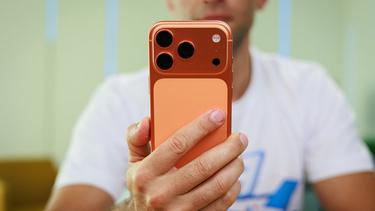
The iPhone Air represents Apple's latest attempt at creating a distinctive smartphone category, but despite the company's engineering prowess, this ultra-slim device has failed to capture consumer interest. While Apple reportedly plans to address criticism by adding a second camera to the iPhone Air 2, this hardware improvement alone won't solve the fundamental issues that have plagued the device's sales performance. The real problem isn't features—it's Apple's pricing strategy that continues to position experimental devices as premium products without delivering proportional value.
Apple's Track Record With Experimental iPhone Models
Apple is so good at selling millions of iPhones that people quickly forget its blunders. The company's performance in 2025 is a great example. Last year, Apple dominated the smartphone market and broke its records, all thanks to the fantastic performance of the iPhone 17 and iPhone 17 Pro models. That success completely overshadowed the commercial failure of the iPhone Air.
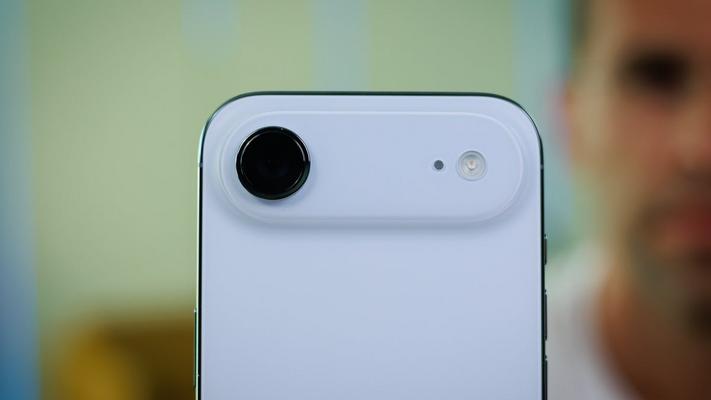
Still, Apple is reportedly considering how to address the main issues of the iPhone Air and offer a more compelling sequel. The latest rumors claim that the iPhone Air 2 may feature a double camera, adding an ultra-wide shooter to the back. That's not a bad idea, but it won't help Apple sell more super-slim phones.
In fact, the iPhone Air is far from the first time Apple has struggled to sell an unusual iPhone model. That's the third failure for the company over the last five years, and if you have paid attention, it's the least surprising.
The Mystery of Apple's Failed Smartphones
Of course, it all started with the iPhone 12 mini. While many users online claimed that they'd kill for a small top-tier smartphone, its sales were abysmal. What Apple marketed as a "pocket flagship" turned out to be a flawed phone with a tiny screen and appalling battery life. The iPhone 12 mini and the iPhone 13 mini never broke beyond their niche status, and the concept died after just a couple of generations.

Then, Apple decided to go in the exactly opposite direction with the iPhone 14 Plus. The tiny screen grew into a giant one, and the petite battery turned into the best-performing one in the iPhone 14 lineup. However, the iPhone 14 Plus had little more than its size to offer. It lacked the Dynamic Island and higher refresh rate of the Pro models, making it just as unpopular as its mini predecessors. This concept also died after two generations.
The Common Thread: Pricing Mistakes
If there's a common thread running through the history of Apple's iPhone blunders, it must be the pricing. The iPhone 12 mini launched at $699, which was the same price as the larger iPhone 11, making people feel like they were getting less phone for more money. Anyone who wanted a small iPhone had already bought an iPhone SE 2020, which was launched just a few months before the 12 mini.
While the details are different, Apple's mistake with the iPhone 14 Plus pricing was very similar. Launching at $899, that was one of the worst smartphone deals of the year. Android flagships at the same price were much better, and for $100 more, you could get the much better iPhone 14 Pro.
Yeah, It's About the Price

One thing many critics seem to miss is that the iPhone Air is not a bad phone. Yeah, it could use an extra camera, a larger battery, and better cooling, but you can say the same about almost any phone. In fact, the iPhone Air is a great smartphone with a horrible price.
If you need more solid proof of that, look no further than Samsung. The Galaxy S25 Edge has the double camera and larger battery that should help the iPhone Air 2 sell better. Despite those extra features, the S25 Edge sold so badly that Samsung was forced to change its Galaxy S26 series plans.
Why Hardware Upgrades Won't Move the Needle
As different as the Galaxy S25 Edge and the iPhone Air are, they both cost more than anyone would want to pay for them. And who would blame anyone that chooses to save a few hundred dollars and get a slightly thicker iPhone 17 or Galaxy S25?
- Premium pricing without premium features: The iPhone Air costs more than standard models but offers fewer capabilities
- Slim design isn't a selling point: Most consumers prioritize battery life and camera quality over thinness
- Competition offers better value: Standard iPhone 17 models provide more features at lower prices
- Samsung's similar failure: The Galaxy S25 Edge proves that dual cameras don't fix the fundamental value proposition
Good Deals Sell Well
People want to buy good phones at low prices, and that shouldn't surprise anyone. Even Apple and Samsung should know it. After all, the iPhone 17 and Galaxy Z Fold 7 didn't break sales records for nothing. They introduced meaningful upgrades over their predecessors while keeping the same price, making people happy enough to spend the money.
Adding a second camera or a slightly larger battery won't help the iPhone Air 2 sell better. Apple needs to do something that may seem radical to its executives, but it's quite obvious. Just make the iPhone Air 2 feel like a great deal, and it'll start selling well.
What Apple Should Actually Do
Instead of focusing solely on hardware improvements, Apple should consider these strategic changes:
- Price reduction: Position the iPhone Air 2 at or below the standard iPhone price point
- Clear value proposition: Emphasize unique benefits beyond just being thin
- Target the right audience: Market to fashion-conscious consumers who genuinely prioritize design
- Bundle incentives: Offer accessories or services that enhance the slim device's appeal
The Bigger Picture for Apple's Product Strategy
The iPhone Air situation reflects a broader challenge Apple faces when introducing new product categories. The company's brand commands premium pricing, but that doesn't mean every experimental device deserves flagship pricing. Apple successfully pivoted with the Apple Watch, initially positioning it as a luxury item before finding its footing as a health and fitness device at more accessible price points.
The same strategic flexibility could benefit the iPhone Air line. Rather than doubling down on hardware improvements that don't address the core value proposition, Apple should reconsider where this device fits in its portfolio and price it accordingly.
Lessons From the Smartphone Industry
Apple isn't alone in learning hard lessons about smartphone pricing. The industry has repeatedly shown that consumers are willing to pay premiums for meaningful innovations, but not for form factors alone. Samsung's Ultra Thin series, various Chinese manufacturers' slim phones, and now the Galaxy S25 Edge all demonstrate that thinness without value doesn't sell.
The successful slim phones in the market have typically succeeded by offering competitive features at competitive prices, not by charging premiums for reduced dimensions. Apple would be wise to learn from these examples rather than assuming its brand alone can overcome fundamental pricing objections.
Frequently Asked Questions
Why did the iPhone Air fail to sell well?
The iPhone Air failed primarily due to its premium pricing that didn't align with the value offered. While the slim design was impressive, consumers found better value in the standard iPhone 17 models that offered more features at lower prices.
Will adding a second camera to iPhone Air 2 improve sales?
Based on market evidence, including Samsung's Galaxy S25 Edge failure despite having dual cameras, adding a second camera alone won't significantly improve iPhone Air 2 sales. The fundamental issue is pricing, not camera count.
How does the iPhone Air compare to Samsung Galaxy S25 Edge?
Both devices represent ultra-slim smartphone concepts from their respective manufacturers. The Galaxy S25 Edge actually has more cameras and larger battery than the iPhone Air, yet both failed commercially due to premium pricing that consumers found unjustifiable.
What was wrong with the iPhone 12 mini and iPhone 14 Plus?
The iPhone 12 mini suffered from poor battery life and was priced the same as larger phones offering more value. The iPhone 14 Plus was overpriced at $899 without Pro features, making the $999 iPhone 14 Pro a better deal for just $100 more.
What price should Apple set for the iPhone Air 2?
To achieve meaningful sales, Apple should price the iPhone Air 2 at or below standard iPhone models, positioning it as a design-forward alternative rather than a premium offering requiring additional cost.
Is there a market for ultra-slim smartphones?
A niche market exists for slim phones, but it's not large enough to support premium pricing. Consumers generally prioritize battery life, camera quality, and overall value over device thickness.
What successful strategy could Apple use for iPhone Air 2?
Apple could succeed by reducing the price significantly, clearly communicating the device's unique value proposition, and marketing it specifically to design-conscious consumers who genuinely prioritize aesthetics over specifications.