 English
 العربية
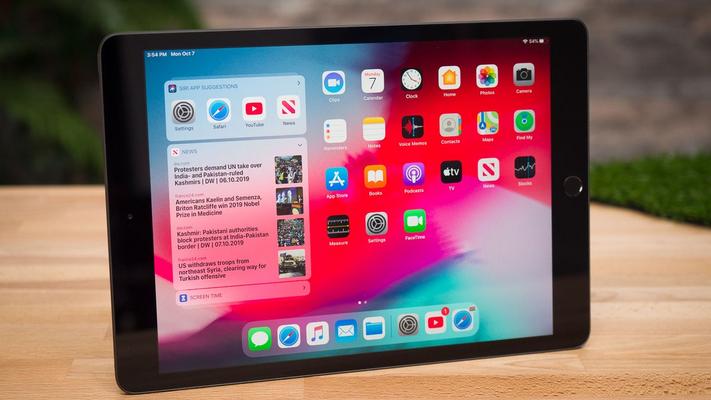
The iPad represents one of the most remarkable success stories in consumer technology. Since its debut in 2010, Apple's tablet has transformed from a controversial "big iPhone" into an indispensable device category that sits comfortably between smartphones and laptops. Now celebrating its 16th anniversary, the iPad continues to defy predictions of its demise while foldable phones attempt to encroach on its territory.
The iPad's Unique Position in the Tech Ecosystem
Unlike any other device in your tech arsenal, the iPad occupies a space that's entirely its own. It's neither a phone nor a computer—it's something altogether different that adapts to your lifestyle rather than demanding you adapt to it.

For most users, the iPad serves as a casual companion device. You reach for it when you've had enough of staring at your workstation monitor or squinting at your smartphone screen. It's the device you grab for the couch, the bed, or the kitchen counter. This "in-between" nature is precisely what makes it irreplaceable.
The Beauty of Being Undefined
What makes the iPad truly special is its refusal to be pigeonholed into a single use case:
- Entertainment hub: Stream movies, play games, and browse social media on a generous display
- Creative canvas: Digital artists and designers use it with Apple Pencil for professional-grade work
- Productivity tool: Write documents, manage spreadsheets, and handle emails efficiently
- Learning device: Students and lifelong learners use it for courses, textbooks, and research
- Reading companion: E-books, magazines, and articles are more enjoyable on a larger screen
The iPad can be whatever you need it to be without trying to be something else. This adaptability is its greatest strength and the primary reason why no other device category can truly replace it.
Why Foldable Phones Cannot Replace the iPad
With rumors of an iPhone Fold potentially debuting this year, many tech analysts have questioned whether tablets have run their course. The logic seems straightforward: if your phone can unfold into a tablet-sized screen, why carry a separate device?
However, this argument fundamentally misunderstands what makes the iPad special.
The Compromise Problem
Foldable phones are inherently devices of compromise. They try to be the best of both worlds—a compact phone and a tablet—but end up making sacrifices in both directions:
- Weight and thickness: While recent foldables have improved significantly, they remain thicker when folded than traditional smartphones
- Durability concerns: Folding mechanisms introduce potential failure points that solid slabs don't have
- Display crease: Even the best foldables have a visible and tactile crease down the center of the screen
- Battery limitations: Packing large batteries into slim foldable designs remains challenging
- Price premium: Foldables cost significantly more than comparable traditional devices
The Distraction Factor
Perhaps the most overlooked advantage of the iPad is what it lacks: the constant interruption of a smartphone. When you pick up a foldable phone to watch a movie or read a book, you're still holding a device that will ping you with notifications, texts, and calls.
The iPad, by contrast, can be your escape device. Many users deliberately leave their iPads without cellular connectivity, creating a distraction-free zone for focused work or genuine relaxation. A foldable phone is still a phone first—it carries all the baggage and constant connectivity that comes with that identity.
The Evolution of iPadOS: Power Without Losing Identity

After years of deliberately limiting the iPad's capabilities, Apple has gradually been unlocking its potential. Recent iPadOS updates have introduced features that blur the line between iPad and MacBook:
- Proper windowing and multitasking systems
- Desktop-class Safari with full website compatibility
- External display support with proper resolution scaling
- Stage Manager for advanced window management
- Professional app support from companies like Adobe and Affinity
For those who want to use the iPad as their primary computing device, these changes have been transformative. The iPad Pro with its M-series chips now rivals MacBook performance, making it capable of handling professional creative workflows.
The Case for Simplicity
However, not everyone needs or wants their iPad to become a laptop replacement. There's a compelling argument for keeping the iPad as Steve Jobs originally envisioned it: a straightforward device for web browsing, reading, media consumption, and casual gaming.
In an era where remote work has obliterated the boundaries between professional and personal life, many of us struggle to use our phones without feeling guilty about not being productive. The iPad, in its simpler form, can serve as a reminder of when technology was about enjoyment rather than optimization.
If we're advocating for "dumb phones" to reclaim our attention and mental health, shouldn't we also cherish the iPad's ability to remain a leisurely device rather than another productivity tool?
The iPad Lineup: Something for Everyone
Apple's current iPad strategy ensures there's a model for every use case and budget:
iPad (Base Model)
The entry-level iPad offers incredible value, providing the core iPad experience at an accessible price point. It's perfect for students, first-time tablet buyers, and anyone who wants a reliable consumption device.
iPad mini
The compact powerhouse appeals to readers, travelers, and those who want iPad capabilities in a more portable package. Its smaller screen doesn't compromise on performance.
iPad Air
The middle ground between the base iPad and Pro models, offering premium features like the M-series chip at a more reasonable price. Ideal for creative professionals who don't need the absolute best.
iPad Pro
The flagship model with the most advanced display technology, fastest processors, and professional-grade capabilities. This is the iPad that can genuinely replace a laptop for many users.
Why the Tablet Category Will Endure
Despite repeated predictions of the tablet's demise, the category has proven remarkably resilient. Here's why tablets—and the iPad specifically—will continue to thrive:
Screen Size Matters
There's a fundamental truth about human vision and content consumption: bigger screens are better for many tasks. Reading, watching video, drawing, and even typing benefit from the additional screen real estate that tablets provide. Phones, no matter how large, will always be constrained by pocketability requirements.
The Home Use Case
Tablets excel as home devices. They're perfect for passing around during family gatherings, propping up in the kitchen for recipes, using in bed before sleep, or entertaining children on road trips. This domestic role is distinct from both smartphones (too small, too personal) and laptops (too cumbersome, need a surface).
Education and Enterprise
Schools and businesses have embraced tablets as essential tools. iPads serve as digital textbooks, point-of-sale systems, inventory management devices, and much more. These institutional use cases create sustained demand independent of consumer trends.
Creative Professional Adoption
Digital artists, musicians, and designers have discovered that the iPad with Apple Pencil offers capabilities no other device can match. This professional creative market continues to grow and represents a dedicated user base that won't abandon the form factor.
Looking Forward: The iPad's Next 16 Years
As the iPad enters its second decade and beyond, several trends will likely shape its evolution:
- Display technology: OLED and mini-LED will become standard across the lineup
- Processing power: Continued convergence with Mac capabilities
- Accessories: Keyboards, pencils, and cases will become more integrated and capable
- Software: iPadOS will continue gaining features while maintaining its distinct character
- AI integration: Machine learning features will enhance productivity and creativity
The iPad's longevity proves that well-designed products addressing genuine needs don't become obsolete simply because newer technologies emerge. Foldable phones are exciting and innovative, but they solve a different problem—portability—rather than eliminating the need for dedicated tablet experiences.
Frequently Asked Questions
Will foldable phones replace tablets like the iPad?
No, foldable phones and tablets serve different purposes. Foldables prioritize portability and smartphone functionality, while tablets like the iPad offer larger screens, longer battery life, and a more focused experience without constant phone notifications. Both categories will likely coexist.
Why has the iPad remained popular for 16 years?
The iPad's enduring popularity stems from its versatility, Apple's ecosystem integration, regular updates with new features, a wide range of price points, and its ability to serve multiple use cases from entertainment to professional work without being defined by any single purpose.
Is the iPad better than a laptop for productivity?
It depends on your workflow. For creative work like drawing, music production, and photo editing, the iPad excels. For traditional office work requiring multiple windows, complex file management, or specialized software, laptops typically remain more practical. Many users benefit from having both devices.
What makes the iPad different from Android tablets?
Apple's tight hardware-software integration, the quality of iPad-optimized apps, long-term software support (iPads receive updates for 5-7 years), accessory ecosystem (Apple Pencil, Magic Keyboard), and resale value distinguish iPads from most Android tablets.
Should I wait for an iPhone Fold instead of buying an iPad?
If you want a tablet experience, an iPhone Fold likely won't satisfy your needs. Foldable phones will be smaller than even the iPad mini when unfolded, more expensive, and still function primarily as phones. For dedicated tablet use, the iPad remains the better choice.
Which iPad should I buy in 2025?
The base iPad suits casual users and students. The iPad mini is perfect for readers and travelers. The iPad Air offers the best balance of features and price for most users. The iPad Pro is designed for professionals who need maximum performance and display quality.
Will Apple ever discontinue the iPad?
There's no indication Apple plans to discontinue the iPad. The category continues to generate significant revenue, has dedicated professional and educational markets, and serves purposes that other Apple devices cannot replicate. The iPad remains a core part of Apple's product strategy.